Courage in Action
Annual Report 2025


Contents


Foreword: Courage in Action
lege pagina
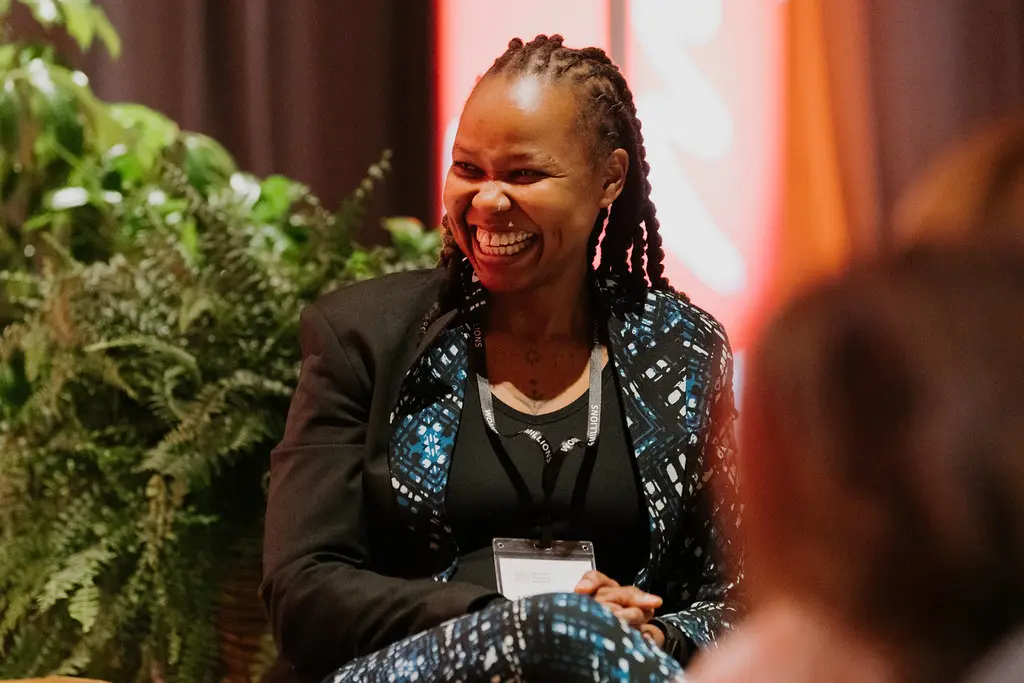

Happy Mwende Kinyili (Co-Executive Director)


Oriana López Uribe (Co-Chair)


Sara Vida Coumans (Co-Chair)
Credit photos Oriana and Sara: Prins de Vos
2025 felt like quicksand. In this fast paced and difficult year, every attempt to move seemed to make the ground rearrange itself. In space after space, across regions and issues, we kept hearing the same sentence: the context is relentless. Everywhere, it was becoming more difficult to organise; punitive laws were swallowing up more rights; public institutions were being hollowed out. When the world feels unstable, there is a tendency to retreat into private survival strategies and this year offered plenty of incentives for that retreat. And yet, as we listened to partners, what emerged was that the opposite was happening. Movements adapted creatively. They shared risk in solidarity. They took to the streets. On the evidence of an entire year, we saw real courage in action.
In recent times, the funding landscape has been shifting. By 2025, it looked like a definite retreat with budgets slashed or reallocated, and gender programmes shut down. In some cases, foundations closed altogether. The result was less money, less predictability and therefore less ability to look ahead. In the United States, executive orders produced a chilling effect that reached far beyond their formal scope. People with resources, and people close to decision makers, went quiet. In the Netherlands, cuts to development aid landed hard.
If there was an achievement that threaded through 2025, it was the stubborn fact of resistance. Intersex activists organising in Kathmandu. Groups reclaiming land from Mexico to Malawi. Feminists refusing to abandon their communities even when the money fell away. People kept convening, speaking, documenting, feeding each other, listening to each other, and building strategy under pressure. Everywhere we looked, there was hope and creative rage, a fire within to keep going.
In the United Kingdom, as arrests mounted during protests against the genocide in Gaza, older feminists came forward. Pensioners offered their bodies to absorb police attention. In the Netherlands, well-established groups reappeared in force, alongside wider mobilisation in response to femicide, with marches to reclaim the night. In Haiti, the Fund for Haitian Women launched and made its first grants in 2025, building infrastructure in the middle of crisis rather than waiting for stability.
To be clear, funding did not conjure these movements into being. What funding does is determine whether organisers have space to strategise rather than scramble, whether a convening happens safely rather than furtively, or whether time can be spent on movement building rather than survival. This year, we were reminded once more that the impulse to organise does not wait for permission or funding.
For Mama Cash too, 2025 was a year of difficult choices. Income was shrinking. Slowing the work to match the budget would have had real consequences for movements living through backlash, surveillance, and violence. It meant moving with uncomfortable speed. The organisation was also in the middle of a restructure, which forced us to ask questions about what to preserve when resources are thinning. Again and again, the answer was the same: to prioritise grantmaking, to keep money moving to feminist movements.
We also learned again that hard times do not automatically produce solidarity. There were fierce debates and arguments. But we also saw a field able to hold disagreement while never losing sight of its humanity.
Movements are already embedded in their communities and already driving change on climate, democracy, peace, safety from violence, bodily autonomy, and economic justice. What is missing is money at the necessary scale. In that context, we are proud to showcase the Accelerate Together campaign (externe link), a collective effort to mobilise 600 million dollars annually in new support for grassroots women-led movements, organised by the Alliance for Feminist Movements and Gender Funders CoLab, Mama Cash, and Prospera, the International Network of Women’s and Feminist Funds, in collaboration with many others with long experience of funding movements.
This year, everywhere we looked, we saw a kind of agitation, an unwillingness to hand over moral agency to governments and institutions whose choices felt indefensible. This tells us something about the way people remain consciously and courageously anchored to humanity. We appreciate everyone who has backed Mama Cash throughout this year. We are asking you to harness that fire we are seeing everywhere and to support the movements we fund, and the wider feminist funding ecosystem, to join Accelerate Together, to support feminist funds like Mama Cash where you are, and to treat resourcing as the gateway to possibility.

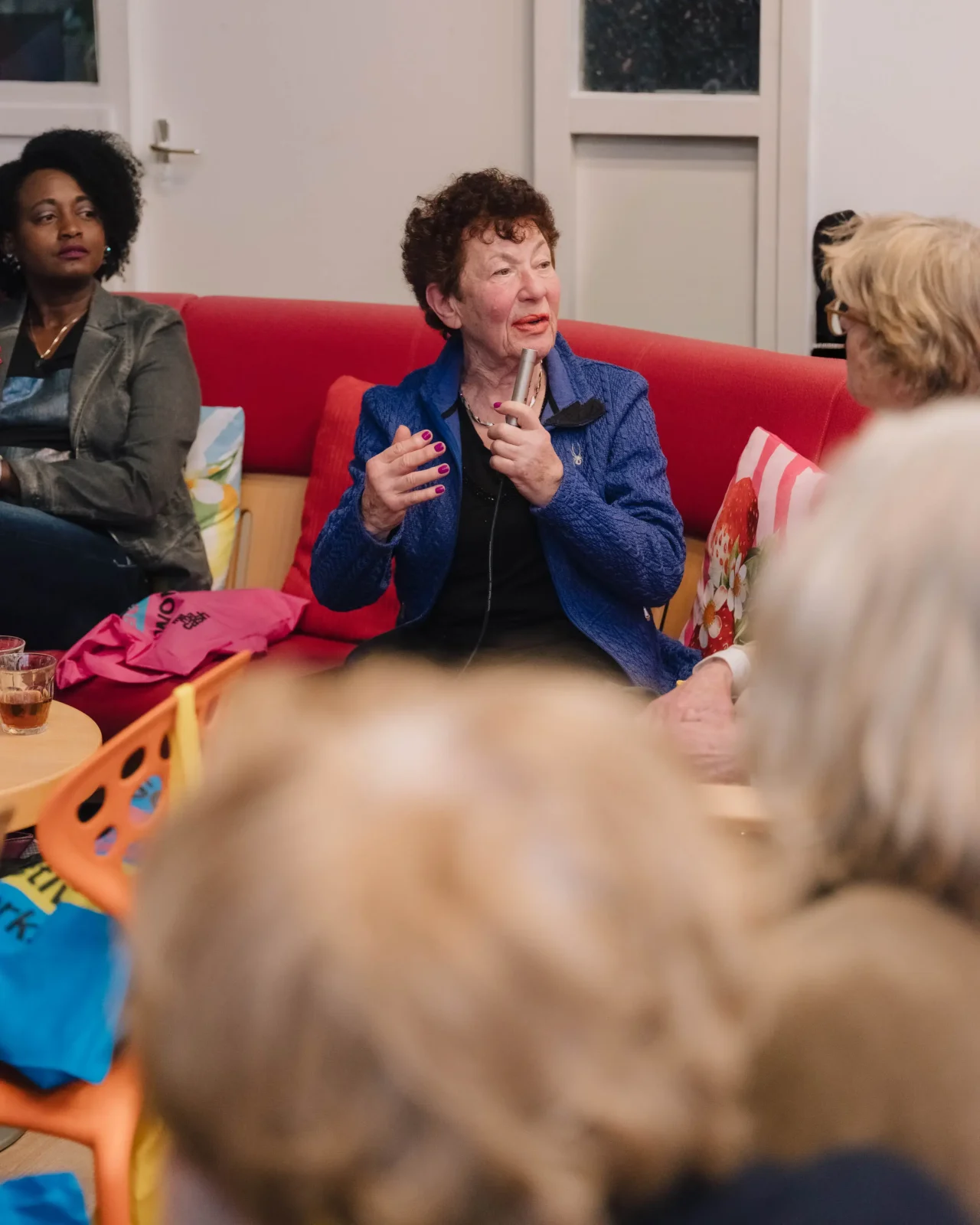

Introducing Mama Cash
Since 1983, Mama Cash has awarded approximately €157 million to women’s, girls’, and trans and intersex people’s groups worldwide.

What world do we want to see?
A world where every woman, girl, and trans and intersex person has the power and resources to participate fully and equally in creating a peaceful, just, and sustainable world.

How are we contributing?
Courageous women’s, girls’, and trans and intersex people’s human rights organisations worldwide need funding and supportive networks to grow and transform their communities. Mama Cash mobilises resources from individuals and institutions, makes grants to these self-led, feminist organisations and individuals, and helps build the partnerships and networks needed to successfully defend and advance women’s, girls’, and trans and intersex people’s human rights globally.

What problem are we trying to change?
Societies are deliberately constructed in unjust and unequal ways, and this disproportionately impacts women, girls, trans people, and intersex people.

How can this problem be solved?
We know that strong, autonomous feminist movements drive meaningful change in the world. Their presence leads to more positive outcomes than other factors like national wealth or the number of women in government. Strong and autonomous feminist movements are creating life-affirming and life-sustaining change in the world through self-led organising and collective action. Feminists – individuals, groups, and women’s and feminist funds – are building movements and contesting, generating, exercising, and amplifying power. To secure and sustain structural change, feminists need resources that are tailored, accessible, and responsive to different and changing contexts and ways of working.

What are we doing?
We have two strategies that build on our knowledge, politics, and position: 1) we support feminist movements through grantmaking and accompaniment; and 2) we mobilise resources to underpin our movements strategy and influence the funding system to make more and better money available for feminist movements.
Our values lead the way…
Curious
We believe that a more just and joyous world is ours to create and discover. We foster our own and others’ learning by intentionally making space to explore and experiment, and by dreaming big.
Courageous
For women, girls, trans people, and intersex people reaching for liberation, the stakes are high and the outcomes matter. We remain determined and committed to making bold choices, even in the face of crisis, opposition, and difficulty. We are responsive to changing circumstances and seek to match the courage of the movements we support.
Inclusive
We know that collectively, we are wiser and stronger. We are dedicated to forging strong partnerships with all who share our vision, based on respect, trust, and solidarity, and centring the leadership of those most affected by injustice.
Accountable
We recognise that we are in community with others and are accountable to those we share this work with. We commit to openness in giving and receiving feedback, transparency, and power-sharing in our decision-making, and honesty in our communications.
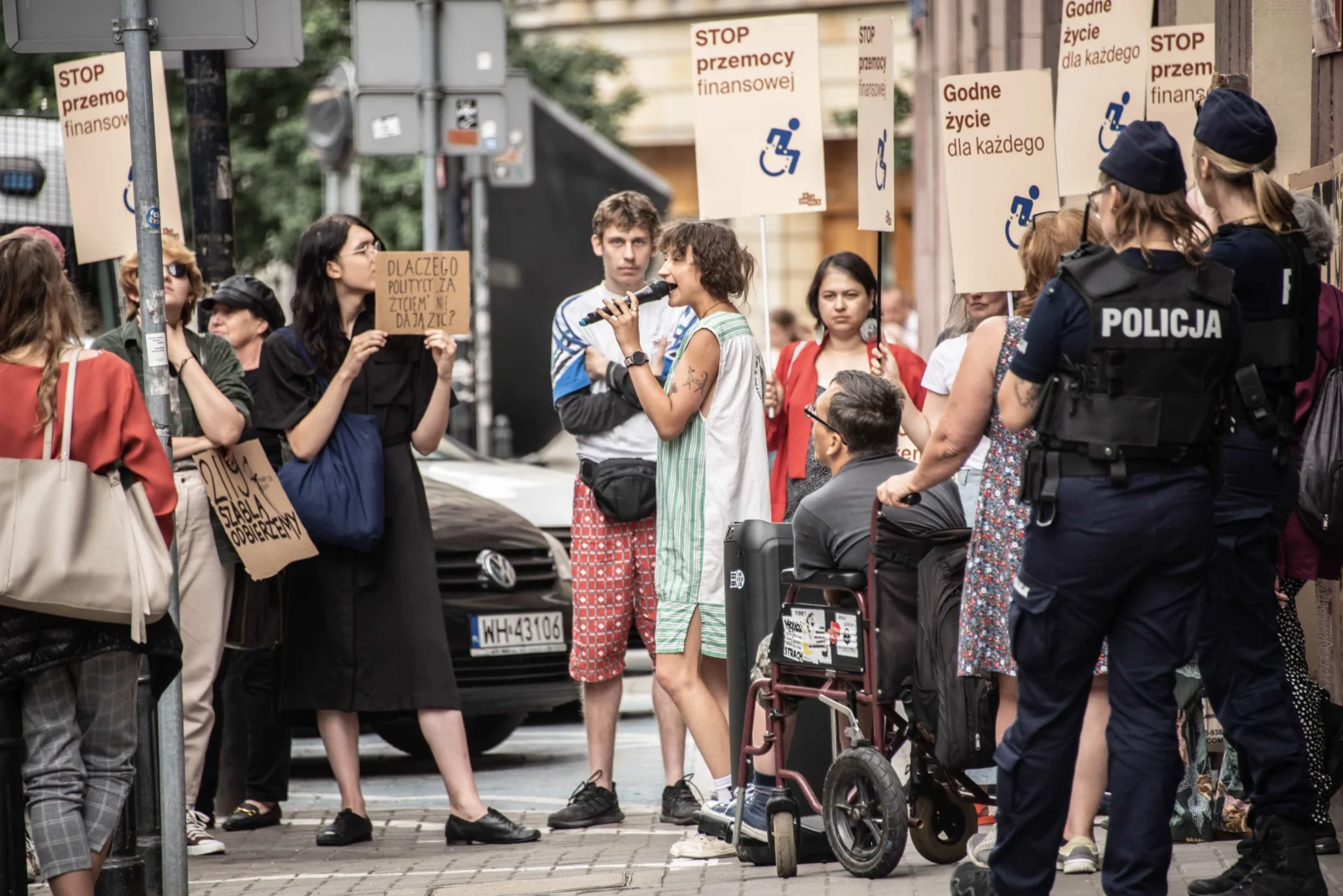

Grantmaking and accompaniment
Mama Cash’s grantmaking and accompaniment focuses on sustaining feminist movements, especially when political and social backlash threatens their ability to organise, adapt, and persist.
The year 2025 unfolded under a tightening stranglehold. Authoritarian politics advanced, governments moved to restrict organising, political violence escalated, and surveillance increased. At the same time, we saw powerful uprising as citizens resisted the push of autocratic governments, showing courage and defiance in the face of repression. Some at Mama Cash described it as ‘an exceptionally difficult year’ as governments and donors retreated from gender justice, and funding feminist movements became increasingly contested. For many movements, this was familiar terrain, only more intense. And for Mama Cash, it affirmed a long-held resolve to keep moving resources even as risks multiplied and options narrowed.
Mama Cash provides both long-term, core, flexible funding through its Resilience Fund; and short-term funding via other funds. Across grantmaking streams, it supports groups led by women, girls, and trans and intersex people working in contexts of repression, conflict, and political backlash. Throughout the year, moving money became more complex, slower, and riskier, but even as pressure mounted, the flow of support never stopped. New groups entered Mama Cash’s funding ecosystem, and we supported long-term partners to adapt and continue organising. We sustained and strengthened relationships with movement partners, donors, and allied actors who helped amplify feminist responses to anti-rights trends, reinforcing a shared commitment to solidarity and resistance.
Our approach
Mama Cash’s approach to grantmaking and accompaniment is grounded in the simple idea that those most affected by injustice are best placed to decide how resources should be used to challenge it. We shift power to feminist activists so that decisions are made by the people closest to the struggle, not the institutions furthest from it. This belief shapes not only what we fund, but how decisions are made and power is exercised.
Mama Cash works to advance human rights, social justice, the structural reduction of impoverishment, inclusive development, and the strengthening of movements’ capacity for lobbying and advocacy. As a participatory grantmaker, Mama Cash involves applicants and grantee-partners directly in funding decisions (read more about this in the section on participatory grantmaking below). These processes draw on lived experience, political analysis, and deep contextual knowledge across regions, movements, and constituencies. This ensures that decisions stay anchored in the movements’ realities rather than in donor convenience or risk management.
Importantly, our approach is not constrained by geographic or thematic boundaries (with the exception of our Spark Fund). Rather than defining in advance where or on what issues change should happen, we are responsive to the priorities articulated by feminist movements themselves.
Grantmaking and accompaniment is understood as a test of our institutional commitment to challenge existing power dynamics. By centring movement leadership, resisting restrictive funding norms, and staying committed through periods of pressure, Mama Cash’s approach aims to strengthen feminist movements’ capacity to endure and make change on their own terms. With the right resources and support, feminist movements can stay autonomous, pluralist, inclusive, and build the peaceful and just societies they are organising toward.
‘The support from Mama Cash has been fundamental to ensuring the continuity and depth of our actions; without it, our initiatives simply would not have been possible. In a global context of increasing gender backlash and fascism, the ability to hold spaces for encounter and collective building is not only a strategy, but also a necessity for survival.’
– Feministas en Holanda, Spark grantee-partner
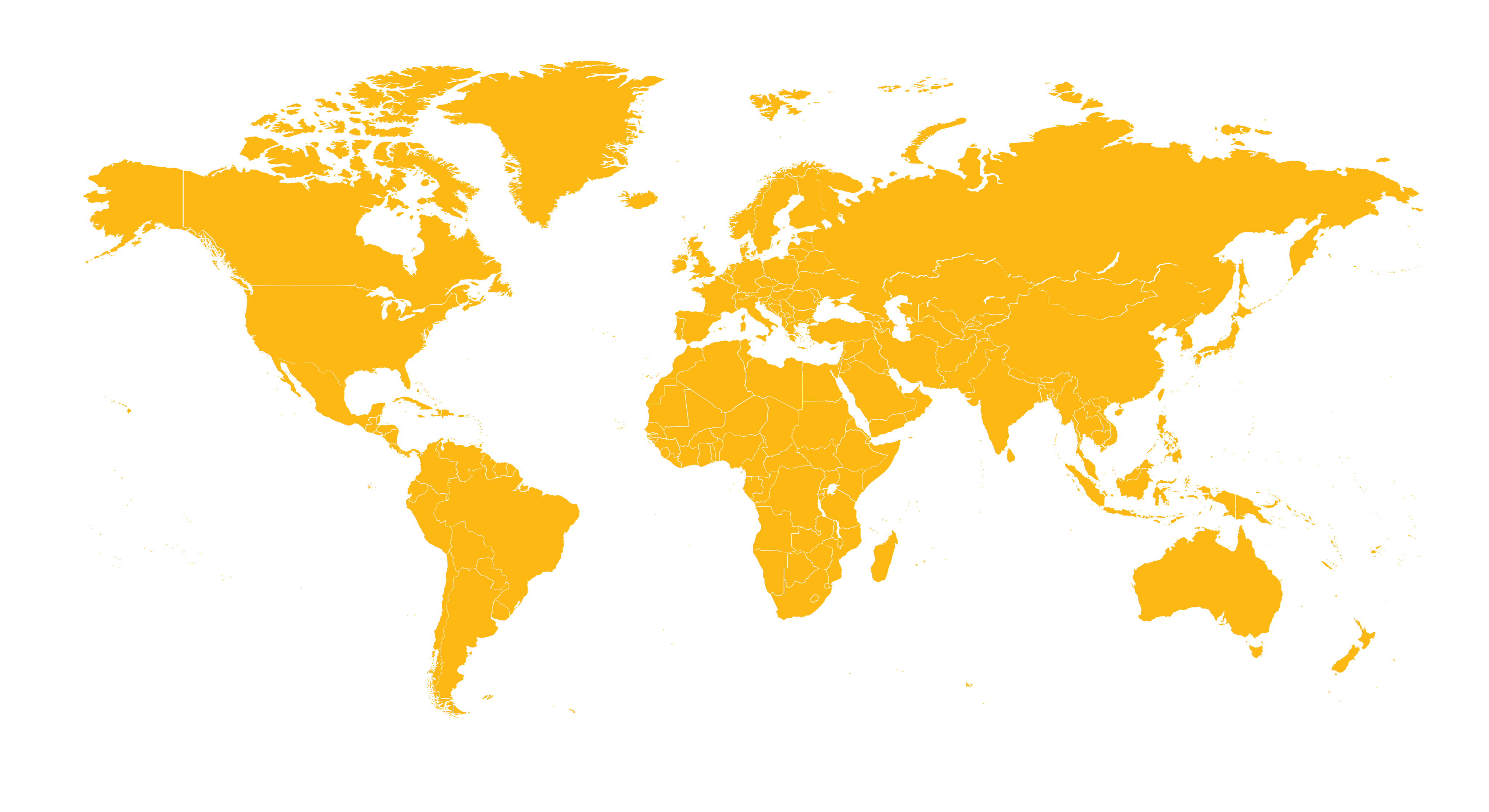
Our grantmaking in 2025
- Africa and West Asia: 70 grants in 26 countries
- East, South & Southeast Asia and Oceania: 48 grants in 16 countries
- Europe and Central & North Asia: 86 grants in 21 countries
- Americas and The Caribbean: 54 grants in 18 countries
- Cross-regional: 3 grants
The number of grants differs from the number of grantee-partners. Variations across regions reflect portfolio structure including the Spark portfolio, which is limited to grantee-partners in the Netherlands and the Dutch Caribbean islands. A single grantee-partner may also receive multiple grant types (for example core, accompaniment, cost and no-cost extensions), which are recorded as separate grants. Annual grant counts should be interpreted with caution, as they do not provide a full picture of regional distribution. Because grants are multi-year, figures for any given year reflect the number of contracts issued rather than the distribution of payments or overall funding across regions over time.
Africa and West Asia:
70 grants in
26 countries

East, South & Southeast Asia, and Oceania:
48 grants in
16 countries
Europe and Central & North Asia:
86 grants in
21 countries
The Americas and the Caribbean:
54 grants in
18 countries
Cross-regional:
3 grants
1
70 grants in
2
East, South & Southeast Asia, and Oceania:
48 grants in
16 countries
3
Europe and Central & North Asia:
86 grants in
21 countries
4
The Americas and the Caribbean:
54 grants in
18 countries
5
Cross-regional:
3 grants
Participatory grantmaking: An interview with COM COM
The Community Committee (COM COM) is Mama Cash’s participatory grantmaking body that decides, each year, which groups receive support from the Resilience Fund. Its 11 members are feminist organisers with different organising histories, identities, experiences, and regional knowledges. They are independent of Mama Cash, and come from feminist movements and constituencies, so they know what is at stake. Members serve a maximum of two three-year terms.
The Resilience Fund application process is a competitive one. On average, Mama Cash receives approximately 2,000 applications following an open call. There are far more eligible groups than we can fund. After Mama Cash staff check applicants’ eligibility against our criteria and longlist the strongest applications for funding, the COM COM begins the hard work of deliberation. Drawing on their expertise, members read beyond the surface of each application in the longlist. They can tell when a language barrier is keeping an applicant group from fully conveying the scope and depth of its work. They understand that a vague proposal may signal self-protection or a security concern. They add context when needed, including why a tactic that seems ineffective in one country may be strategically sound in another.
The hardest debates arrive where resources are limited but the work cannot stop. Scarcity forces difficult choices. The COM COM members spend time building a collective sense of trust and transparency with each other to enable candid conversations about bias and tensions. Conflict of interest is handled with candour, honesty, and care: people withdraw from deliberations when necessary, and join back when they can contribute context without taking the vote.
In 2025, the discussions happened against a sharper backdrop with funding cuts hitting feminist organising with new force. COM COM’s task was to keep the process going and to keep it honest so that core, flexible support reaches the groups doing the crucial work sustaining feminist organising.
Mama Cash spoke to Nana Abuelsoud, a feminist organiser based in Egypt and a COM COM member.*
How do you describe your work and what you are drawn to?
‘I am a feminist. Someone interested in knowledge production and evidence building. I’m interested in research and building evidence and collecting evidence, particularly around reproductive rights. In the case of Egypt, this is where most of my work is focused. I’m working more on the desire to have children, and not to have children. So I work on abortion and reproductive rights.’
How did you end up doing this kind of work, and how did you connect to Mama Cash?
‘I started off in a development organisation in 2014. And then I got into international advocacy through a fellowship with the global advocacy organisation Women Deliver. It was during the adoption of the Sustainable Development Goals in 2015. I came across Mama Cash because they circulated a call for COM COM members. They were also particularly looking for someone from SWANA (South West Asia and North Africa). I applied, and this is how I got in. It’s where I learned about participatory grantmaking.’
What have you learned most from being part of COM COM?
‘I think I learned a lot from the ways that grantee-partners organise wherever they are. This is why I lean on transnational feminist organising because it is very inspiring, it’s motivating. It stretches my mind in ways that I wouldn’t be able to do on my own. I’ve learned a lot, for example, how to talk about issues, and how to have tense conversations while still being present and there for each other.’
* This interview has been edited for length and clarity.
Our funds
We fund all new groups through participatory grantmaking funds. Members of our Global Advisory Network – feminist activists based in different geographic areas, from different constituencies, with diverse thematic expertise, experience, and connections – play a key role in funding decisions.
The Resilience Fund provides core, flexible, long-term grants to self-led feminist groups, collectives, and organisations, and to women’s and feminist funds. The Community Committee (COM COM) makes final funding decisions for new groups.
The Revolution Fund supports timely, one-off initiatives that create or respond to a strategic opportunity for change or seed a new project or idea. Throughout the year, a committee of staff and activist advisors make the funding decisions, which are reviewed and approved by advisors drawn from our Global Advisory Network.
The Radical Love Fund supports individual trailblazing feminist activists to coordinate or catalyse projects, such as personal-political work, creative initiatives, and networking that strengthens bonds across groups or movements. Nominations for the Radical Love Fund and the Revolution Fund come from Mama Cash Supervisory Board members, the Global Advisory Network, and staff. As with the Revolution Fund, a committee of staff and activist advisors reviews nominations, with final decisions informed by advisors from the Global Advisory Network.
The Solidarity Fund was developed by and for women’s and feminist funds to strengthen and support the feminist funding ecosystem. It provides one-time grants to women’s and feminist funds to address specific organisational needs. A committee of women’s and feminist funds makes the funding decisions.
The Spark Fund provides grants to strengthen the bold work of communities of women, girls, and trans and intersex people working in the Netherlands and the islands of Aruba, Bonaire, Curaçao, St. Maarten, St. Eustatius, and Saba.[1] The Spark Fund Steering Committee, composed of activists who have previously received a Spark grant, makes the funding decisions.
[1] The islands of Aruba, Bonaire, Curaçao, St. Maarten, St. Eustatius, and Saba were colonised by the Netherlands as far back as 1631. Today, the Kingdom of the Netherlands keeps its constitutional, economic, cultural, administrative, and financial ties with the islands – Aruba, Curaçao, and St. Maarten are countries within the Kingdom of the Netherlands, while Bonaire, St. Eustatius, and Saba are appointed ‘special municipalities’ belonging to the Netherlands. Because of the profound and lasting impact of colonialism by the Dutch on these islands, the Spark Fund explicitly names these six islands when describing its scope and provides support to feminist movements on these islands.
Our accompaniment
Accompaniment strengthens the often-invisible infrastructure of organising. It combines financial and non-financial support so grantee-partners can build and protect their skills, tools, systems, equipment, relationships, and the people at the centre of the work. Accompaniment is led by partners and shaped by what organisations say they need, whether that means a targeted grant to strengthen internal capacity, support to connect with other funders, convenings and cohort work, or practical investments that make work possible and safer.
In a year when funding narrowed and risks intensified, continuity itself was a critical outcome, and accompaniment helped make that continuity viable.
Across regions, accompaniment took different forms. For climate justice groups such as Agua y Vida in Mexico, it meant supporting internal restructuring and leadership rotation at a moment of growing persecution of land and territory defenders. Accompaniment funding enabled the organisation to reassign roles, strengthen feminist popular education, and rethink communications strategies in response to security risks. These choices allowed it to expand alliances across borders rather than retreat.
Digital security also appeared as a critical dimension of accompaniment in 2025. For feminist organisations working on digital violence and online organising, threats were very real. Luchadoras in Mexico used accompaniment support to strengthen internal policies, remote work security, and staff wellbeing, enabling it to continue high-profile advocacy on digital gender-based violence while reducing internal strain. In Sri Lanka, the Textile Garment and Clothing Workers Union used accompaniment resources to invest in security software and equipment as part of wider labour struggles under surveillance and political pressure. In both cases, digital security was treated as essential movement infrastructure, not just technical overhead.
In Zimbabwe, the African Women’s Collaborative for Healthy Food Systems used accompaniment to convene its second steering committee meeting. It brought together women leaders from all over the continent to evaluate progress on its strategic priorities. Some key discussions included reviewing strategic accomplishments, enhancing financial sustainability, and updating governance protocols.
The point of accompaniment is not just to keep organisations ‘running’ in a technical sense, but to protect their room to choose what to prioritise, where to show up, when to slow down, and how to stay safe.
Resilience Fund
The Resilience Fund is Mama Cash’s primary vehicle for sustaining feminist organising over time.
It provides core, flexible, long-term support to self-led feminist groups, collectives, organisations, and women’s and feminist funds working in challenging social and political environments. The fund is built on the premise that movements confronting entrenched power need sustained resources and time to plan, adapt, and endure.
Number of grants
184
New grants
18
Total amount granted
€6029680
Average amount per grant
€32770
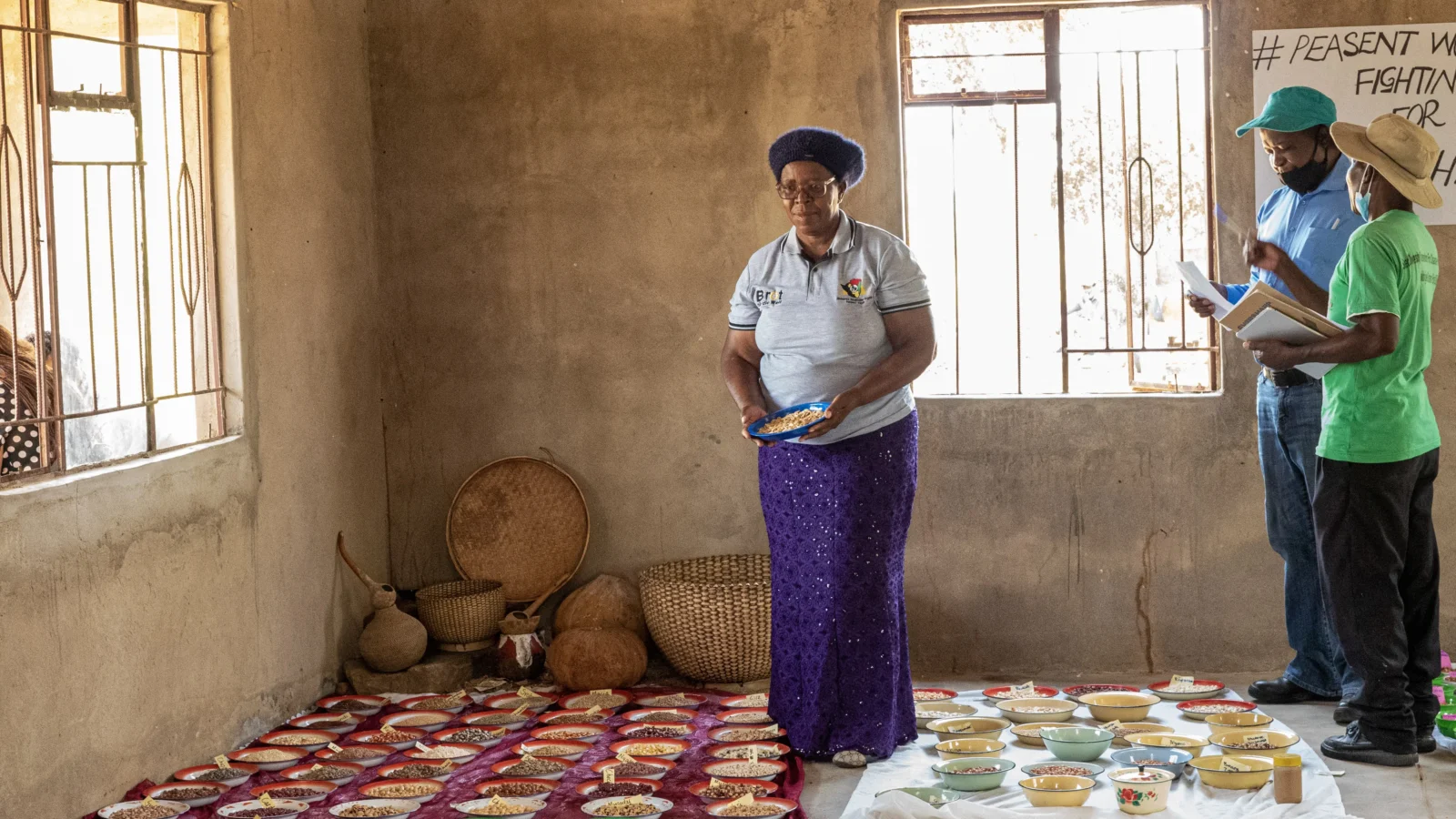

2025 continued to test the conditions under which feminist organisations can continue to work. The Resilience Fund focused on supporting organisational capacity and political continuity amid repression, scarce resources, and uncertainty. It also created space for groups to imagine bold futures, innovate, and celebrate joy as a form of resistance.
Across regions, grantee-partners used Resilience Fund support to actively defend democratic participation, challenge gender-based violence, and advance climate and environmental justice. In El Salvador, Asociación de Mujeres Feministas Rurales (AMFER) supported rural women to transition toward agroecological production while navigating an increasingly repressive political climate. By centring food sovereignty as a political strategy, AMFER strengthened women’s collective power and led to a significant rise in women’s leadership in community decision-making bodies.
In Europe and Central Asia, Trans Network Balkans reorganised its organisational presence across EU and non-EU countries. This strategic move expanded access to regional funding and enabled resources to flow more effectively to trans-led initiatives working under legal and political pressure.
In Nigeria, Intersex Nigeria used long-term support to build sustained engagement with public health institutions. Its collaboration with the Federal Ministry of Health created entry points for addressing harmful medical practices and discrimination against intersex people at a national level.
In Indonesia, Jakarta Feminist’s continued documentation of femicide helped shift public and media attention toward sexual and gender-based violence as a systemic issue. Through consistent reporting and advocacy, the group helped make femicide a prominent issue in protests and public discussions.
Women’s and feminist funds
Women’s and feminist funds do the steady, invaluable work that keeps organising possible. They provide flexible, long-term funding to cover staff, rent, security, and care costs for feminist organisations. They support convenings and coalition-building across movements, and resource rapid response when activists face backlash or crisis. In other words, they sustain the people, relationships, and infrastructure that feminist movements rely on.
What’s less visible, but enormous, is what they prevent. In times of backlash, when other funding is withdrawn or restricted, women’s and feminist funds stay. They don’t back down or pack up when funding is withdrawn or cut. They hold critical lines of support that keep movements alive, helping prevent hard-won rights from being rolled back and ensuring people navigating backlash don’t lose essential support.
Mama Cash supports women’s and feminist funds with grants under two funding streams: the Resilience Fund and the Solidarity Fund. The Resilience Fund offers core, flexible, long-term grants, while the Solidarity Fund provides one-time grants to women’s and feminist funds to address specific organisational needs.
In 2025, women’s and feminist funds played a key role in maintaining stability in a rapidly changing funding landscape. Many of Mama Cash’s partners have been tracking this shift for years: bilateral funding cuts, private foundations removing or capping women’s rights portfolios, and increasing competition for fewer resources. Despite these pressures, women’s and feminist funds continued making grants, supporting movements, and sustaining advocacy, often while restructuring internally to absorb financial shocks.
Across regions, women’s and feminist funds held the line not only by sustaining grantmaking, but also by coming together to plan and strategise – at national, regional, and international levels – to rethink how feminist movements can unlock and access new resources in the face of rollback and backlash.
Ongoing advocacy by women’s and feminist funds and their allies has helped major institutional actors take notice, including some women’s funds partners now receiving direct funding from the European Union. This reveals how women’s and feminist funds continue to become much more visible in international policy spaces and as a partner to government and multilateral funders.
Looking ahead, more potential funding cuts pose risks for women’s and feminist funds who could be forced to make difficult decisions about the scale of their grantmaking. Yet partners are responding and finding new ways to be resilient. This includes looking to alternative sources of income and autonomous resourcing, as well as sustainable investments in long-term movement infrastructure, such as creating physical spaces for retreats, gatherings, and collective wellbeing work.
What women’s and feminist funds achieved in 2025 with our support
100%
have a system of shared leadership and/or decision-making in place
82%
built or strengthened holistic security approaches
94%
built or strengthened (in)formal alliances in movements
82%
accessed, created, and/or defended space for feminist demands and influence
65%
contributed to changes in access and control over resources
94%
contributed to shifts in social, political, and cultural norms
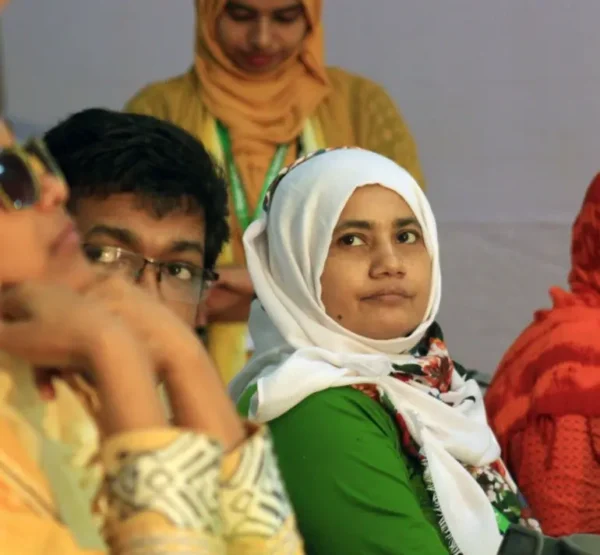
A grantee-partner’s story: more committed than ever
‘Although our financial partnership is coming to an end, our beautiful relationship with Mama Cash will always remain visible and cherished. Just as the touch of gold can transform a simple stone into something precious, the support of Mama Cash has strengthened us and helped us achieve meaningful, visible development. We still have a long journey ahead, but the capacity we have built through Mama Cash’s support has given us national and international recognition for our work in disability inclusion.
Throughout our journey, Mama Cash has supported us in moments of obstacles and uncertainty. We overcame crises and moved forward with confidence only because Mama Cash believed in us – giving us trust, courage, and motivation. The partnership from 2010 to 2025 has been invaluable, empowering us to work successfully and with dignity.
Mama Cash has not only enabled us to implement projects; they have supported us strategically and financially in developing our long-term strategy, policies, and leadership capacities – ensuring lasting change. With their most recent support we could begin constructing our permanent office building, which has significantly advanced our path toward sustainable development.
Because of Mama Cash, we are more committed than ever to working for women with disabilities across the country. Many women’s groups have been formed under our leadership, and we will continue to need additional financial support to strengthen and expand their activities.
Through Mama Cash’s Resilience Fund, we started a production centre for women with disabilities where they make menstrual napkins. This gives a sustainable employment opportunity to eight women with disabilities, and it shows that women with disabilities can work productively.
We are deeply grateful to Mama Cash for inspiring us, motivating us, and giving us the strength to continue our work with determination. We will carry forward our mission with the same dedication and spirit.
Long live Mama Cash!’
– Ashrafun Nahar Misti, Women with Disabilities Development Foundation, Bangladesh, 2025
Revolution Fund
The Revolution Fund is designed for moments when timing and opportunity matter most.
It supports one-off, time-bound initiatives that respond to sudden political openings, emerging threats, or strategic opportunities for change. Where long-term funding sustains movements over time, the Revolution Fund intervenes at pivotal moments, when rapid action can shift narratives, defend civic space, or avert loss.
Number of grants
10
New grants
10
Total amount granted
€92000
Average amount per grant
€9200
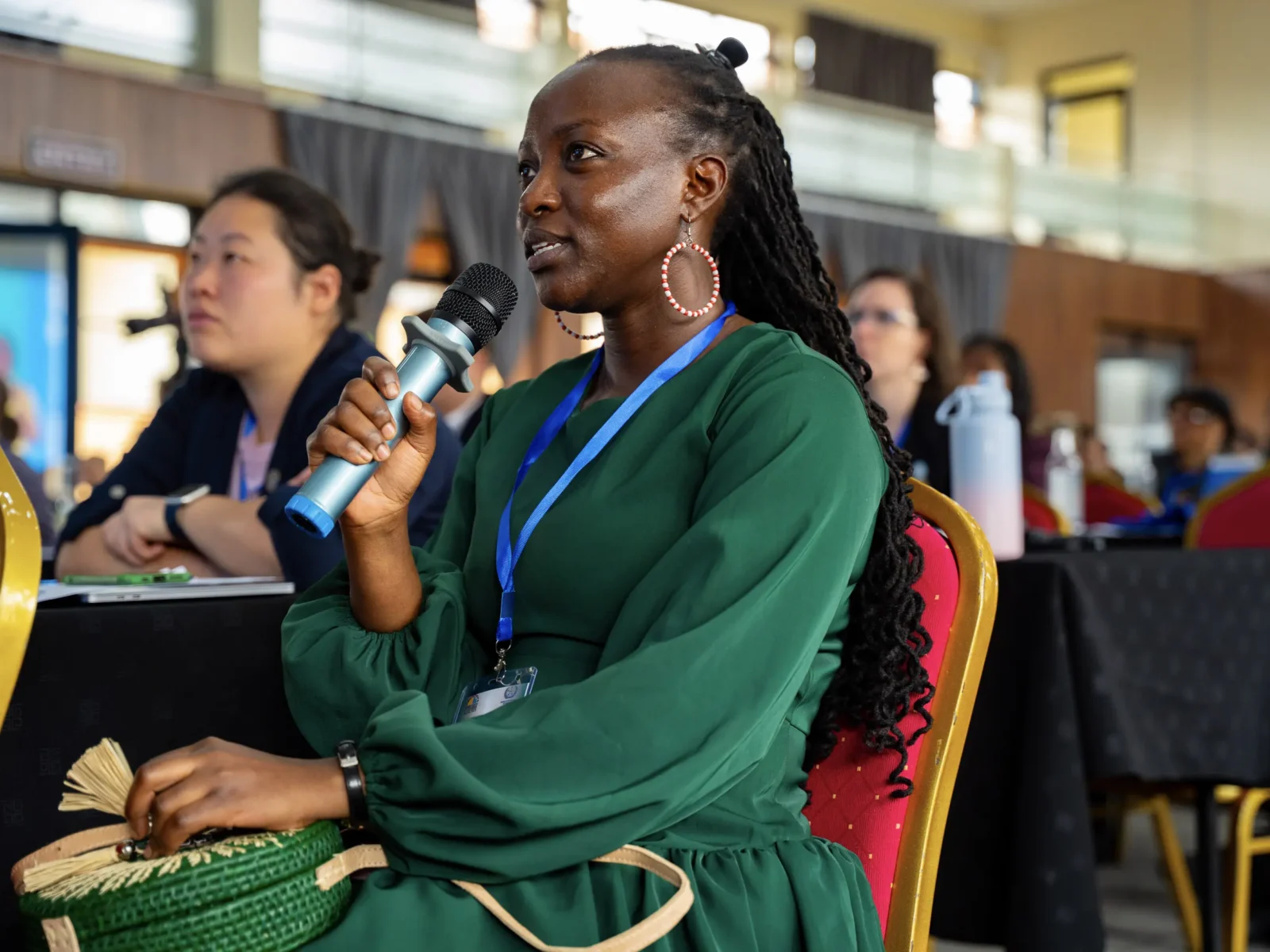

Several Revolution Fund grants in 2025 supported feminist responses to democratic erosion and political repression. In Azerbaijan, Minority Magazine (externe link) used its grant to publish a series of multilingual issues addressing feminism, war, migration, and queer rights at a time of intensified state repression against civil society and independent media. The grant also enabled a coordination meeting with feminist Azerbaijani non-governmental organisations in exile, which led to the formation of an advocacy team documenting abuses and engaging international media and institutions. This intervention helped preserve a collective feminist voice during a period of rapid civic shutdown.
Other Revolution Fund grants supported cultural and narrative strategies as tools of political intervention. In Costa Rica, Cuerpxs que Trazan used its grant to convene the Desobediencia Centraka artistic residency, bringing together trans, non-binary, and sexual and gender diverse artists from across Central America. The residency created space for embodied political work around migration, memory, pleasure, and resistance, producing shared documentation and strengthening regional networks.
Nominations for the Revolution Fund come from Mama Cash’s Supervisory Board, the Global Advisory Network, and staff. Proposals are assessed for strategic relevance, political clarity, and timeliness, with priority given to initiatives where delayed funding would risk missing a critical opportunity.
Radical Love Fund
The Radical Love Fund supports individual feminist activists. It recognises that some essential feminist work happens outside of, alongside, or ahead of organisations.
Many feminist activists carry significant political responsibility without the protection, income, or infrastructure that formal organisations can provide. They may be artists, researchers, organisers, caregivers, or movement historians whose work shapes strategy, narrative, and collective identity. The Radical Love Fund supports both creation and pause – resourcing feminist work as well as rest, restoration, and sabbatical – without requiring organisational affiliation or project formalisation.
Number of grants
8
New grants
8
Total amount granted
€56000
Average amount per grant
€7000
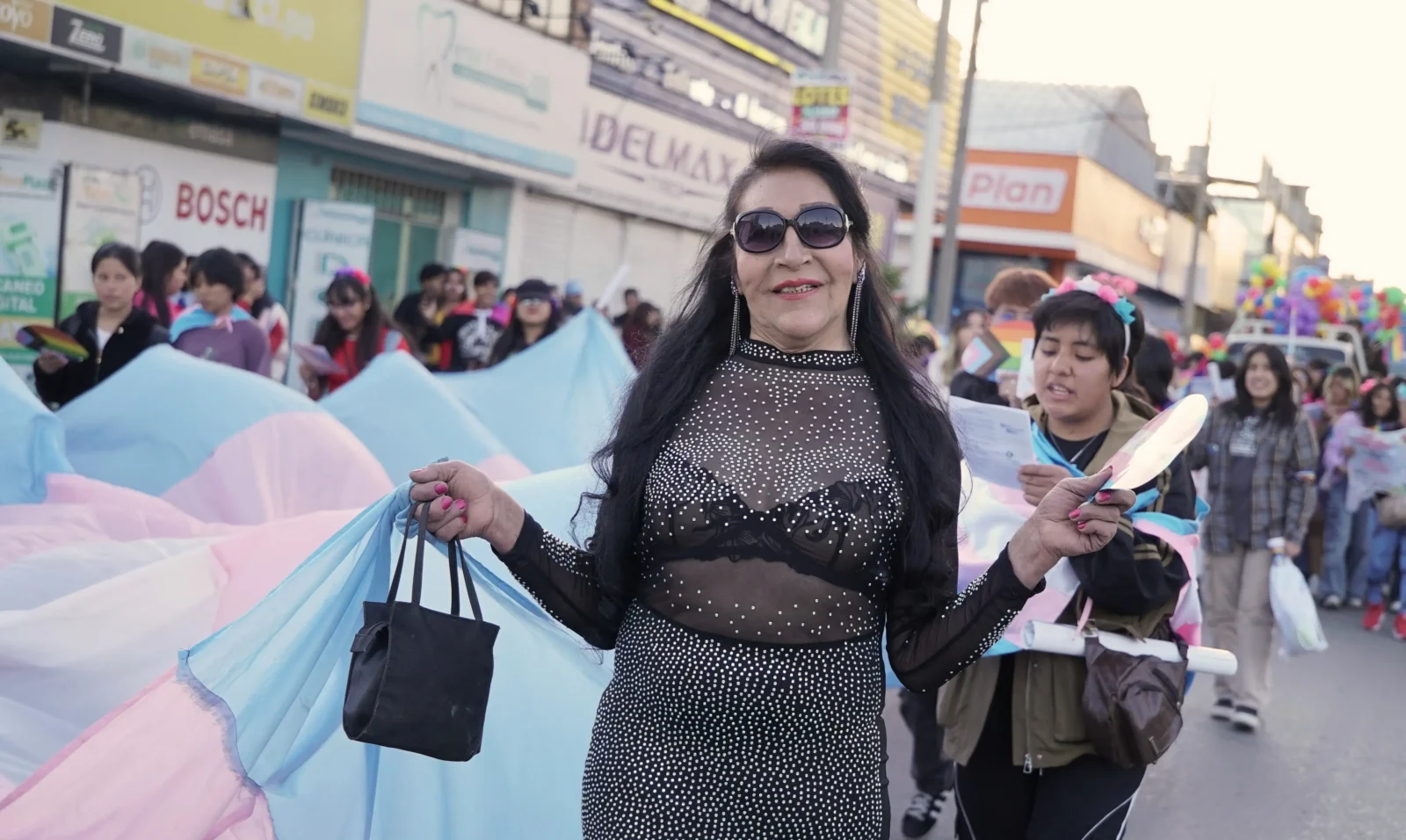

In 2025, the Fund supported activists whose work sustained feminist organising under conditions of political pressure and material precarity. One such fellow was Ivana Tintilay, a trans sex worker from Argentina and an archivist of the trans and sex workers’ movement. With Radical Love support, Ivana expanded and digitised an archive of more than 13,000 historical objects documenting the movement’s struggles in the 1980s and 1990s. The grant enabled her to secure workspace and equipment, conduct archival research, and interview survivors of institutional violence, contributing to a collective effort to look for symbolic and economic reparations from the Argentine state.
Nominations for the Radical Love Fund come from Mama Cash Supervisory Board members, the Global Advisory Network, and staff. A staff committee reviews nominations, with final decisions informed by advisors from the Global Advisory Network. The process prioritises movement relevance, and the likelihood that timely support will strengthen feminist organising beyond the individual grant.
Spark Fund
The Spark Fund supports small, self-led feminist groups working in the Netherlands and the Caribbean islands of Aruba, Bonaire, Curaçao, St. Maarten, St. Eustatius, and Saba.
We focus on this geographic area to honour Mama Cash’s historical roots in the Dutch lesbian feminist activist movement.
Number of grants
28
New grants
12
Total amount granted
€152500
Average amount per grant
€5446
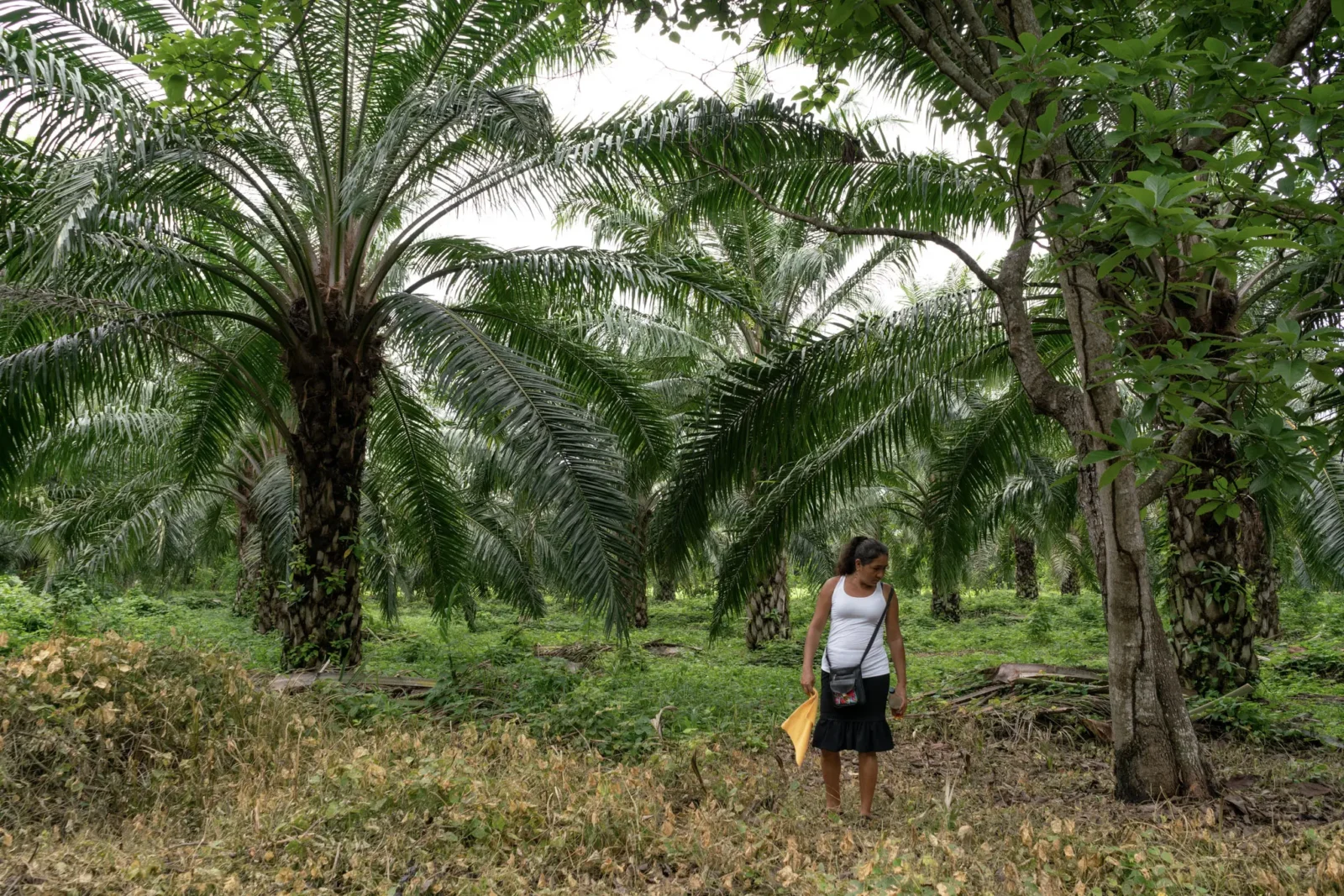

Spark grants are short-term and modest in size, but they serve a distinct purpose within Mama Cash’s funding approach. They support groups organising from within their own communities, often at moments when ideas are still forming or public action is just becoming possible. Spark grantee-partners are often newly formed, informal, or volunteer-run collectives. In a funding landscape that rewards scale and formalisation, the Spark Fund offers small, flexible support so that groups can organise without having to become an institution first.
‘In 2025, we also strongly felt the impact of political changes. […] Thanks to Mama Cash, however, we were able to continue our activities despite these setbacks. Your support has also enabled us to ensure accessibility (as much as possible) and to have more resources to work collaboratively, as well as on communication, coordination, and facilitation of activities.’
– Anonymous, Spark grantee-partner
In 2025, grantee-partners worked across issues including gender-based violence, migrant justice, reproductive rights, racial justice, disability justice, and cultural organising. In the Netherlands, many groups navigated a more hostile political climate, including increased racism and far-right mobilisation, which raised the stakes of visibility and public action including concerns about safety. Many operated in contexts where feminist organising is contested, under-resourced, or marginalised within mainstream civil society. Spark funding enabled groups to meet, create shared narratives, develop leadership, and engage people who are often excluded from formal advocacy spaces. In response to the urgency across issues and communities, Mama Cash made 28 Spark Fund grants in 2025 – the highest number since the Fund began.
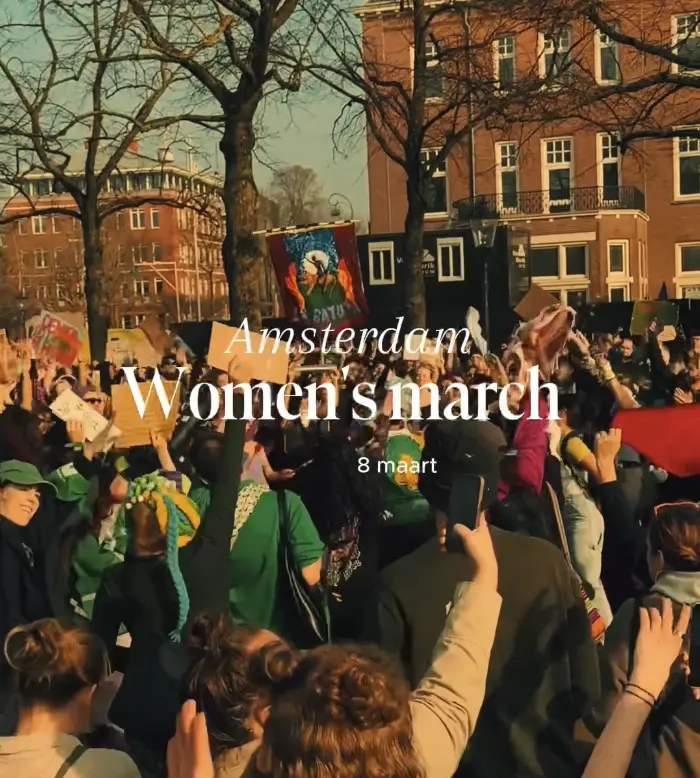
One example is Warmi Küyen, a feminist textile collective founded by Latin American migrant women in the Netherlands. With a Spark Fund grant, the group organised a series of feminist political-textile gatherings across multiple Dutch cities, bringing together more than 120 participants. These gatherings culminated in a collective textile work – 100 Butterflies for the Elimination of Violence against Women, Girls, and Non-Binary People – which was carried into the annual International Women’s Day march on 8 March in Amsterdam and later shown publicly. Through this process, Warmi Küyen created a space for political reflection, collective memory, and community-based organising grounded in migrant feminist experience.
Hopeful Migrant Lesbian Women (SAUTI) is a small collective of lesbian and bisexual migrant women, including women living in asylum-seeking centres. With Spark Fund support, the group covered transport so women could gather monthly. They used cooking and shared meals as a method for peer support while also creating space to navigate the layered pressures of stress, trauma, isolation, and the invasive questions women may face during immigration interviews about their sexuality.
The Spark Fund Steering Committee – composed of activists who are current or former Spark grantee-partners – reviews applications and makes funding decisions. This participatory approach ensures that grants respond to realities on the ground, and that the Spark Fund stays accountable to the movements it supports.
‘Before joining Hopeful Migrant Lesbian Women meetings, I felt completely lonely and out of place. I came to the Netherlands alone after escaping gangs in my country. I now feel at home, free and I can openly speak to someone who really cares to listen and support me emotionally and sometimes financially. Sitting together, cooking, and sharing stories made us cry and at the same time laugh together. Thank you, Hopeful Migrant Lesbian Women, for this support.’
– A member of Hopeful Migrant Lesbian Women (SAUTI), Spark grantee-partner
Solidarity Fund
The Solidarity Fund provides one-time institutional grants to women’s and feminist funds to address specific organisational needs.
In a period of funding volatility and political backlash, women’s and feminist funds face pressure to do more with less while staying accountable to their movements. The Solidarity Fund backs these funds with targeted strengthening support to help them hold steady and grow.
Number of grants
15
New grants
8
Total amount granted
€450000
Average amount per grant
€30000
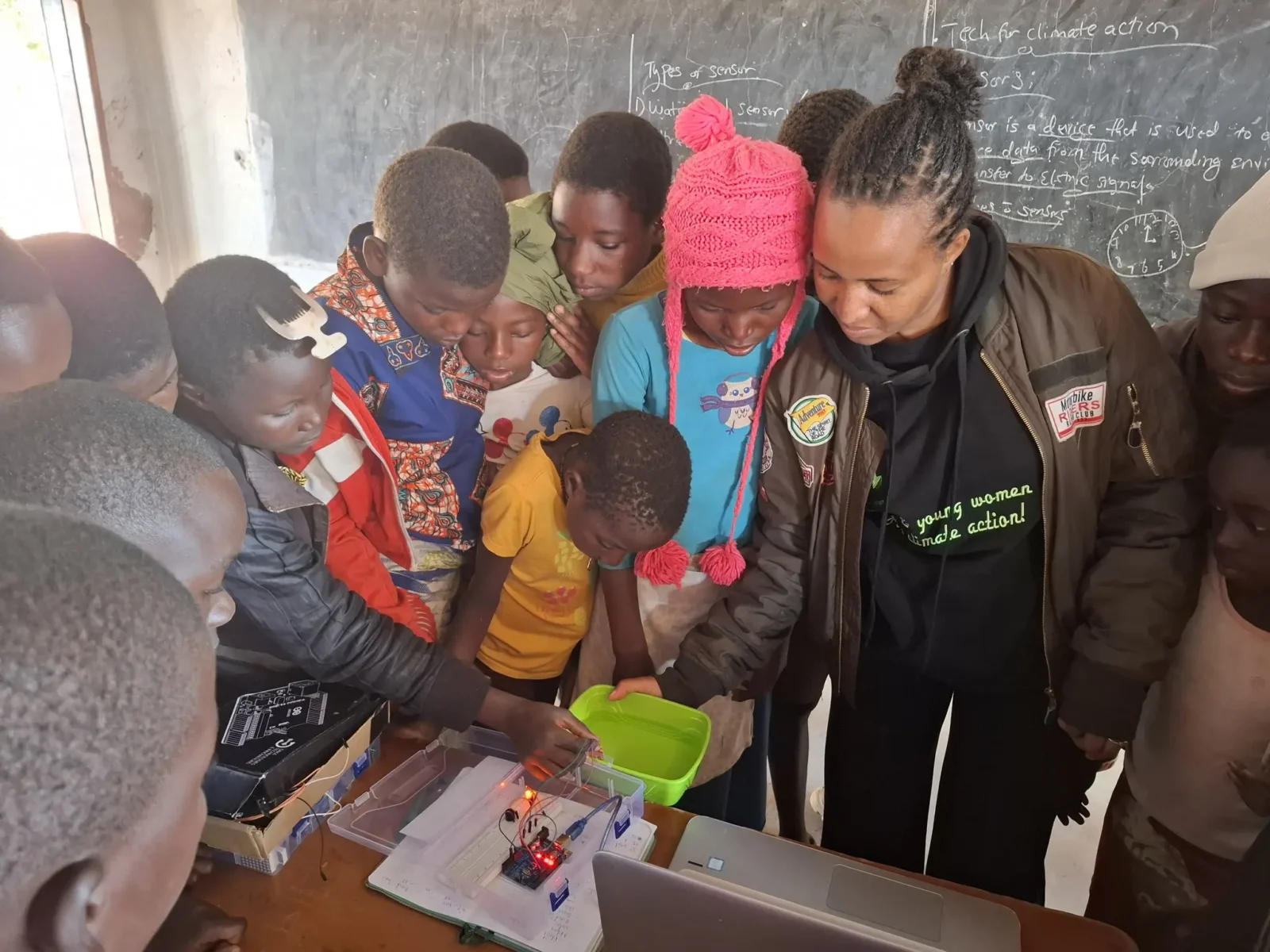

Grants are €30,000 for one year and are intended for organisational development rather than regranting, complementing Mama Cash’s long-term core support through the Resilience Fund. The Solidarity Fund is designed by women’s funds for women’s funds and is grounded in participatory grantmaking: eligible funds can take part in reviewing proposals and collectively deciding which peers receive support, in the spirit of radical trust and solidarity.
In 2025, Mama Cash made 15 Solidarity Fund grants, selected from 31 eligible applications – the highest number of eligible applications yet. This reflected both the intensity of financial pressure across the feminist funding ecosystem and the continued rise of new and emerging women’s and feminist funds at national and regional levels. For newer funds in particular, shrinking funding landscapes can be doubly destabilising: they are still building core systems and don’t yet have the longer-term networks that can cushion sudden donor withdrawals.
Women’s and feminist funds face pressure to do more with less while staying accountable to their movements.
Several Solidarity Fund partners used their grant to put essential foundations in place. One example is the Fund for Haitian Women, a newly launched feminist fund responding to chronic underfunding in the Caribbean region. With Solidarity Fund support, the fund invested in core systems and infrastructure including grantmaking software and monitoring and evaluation tools, supporting its transition from launch toward first grant distributions.
Another example is Amplify Feminism Fund in Pakistan, which used Solidarity Fund support to hire staff, set up a steering committee with regional and intersectional representation, and develop an approach to monitoring, evaluation, and learning that is aligned with decolonial and care-centred practices. The fund also activated its rapid response capacity, moving resources quickly to communities affected by the 2025 floods.
In Türkiye, Feminist Fund Initiative used the Solidarity Fund to support early professionalisation. This included employing part-time staff and engaging expertise to improve feminist governance and resource mobilisation, while navigating a restrictive legal and political environment.
Across these contexts, the Solidarity Fund functioned as movement infrastructure support, helping women’s and feminist funds stabilise, adapt, and continue resourcing feminist organising under increasing pressure.
Visibility and transparency versus safety
Being an activist is incredibly hard. You need to be visible even when it’s dangerous. This exposes you to potential harassment, threats, hate campaigns, arrest, violence, and exclusion. To avoid adding to the risks of visibility, Mama Cash has always offered the activists that it supports the option of complete or partial anonymity. The security of grantee-partners has always been paramount to our work.
Foreign agent laws
In recent years, attacks on civil society have increased, with grantee-partners facing growing security threats. In some contexts, simply being connected to Mama Cash as a funder can increase the risks. Governments and banks are keeping a closer eye on financial movements and money transfers while restrictive legislation makes it increasingly difficult – and sometimes impossible – to register organisations, cutting off access to international funding altogether. Several countries have adopted ‘foreign agent laws’ that see receiving international funding as equal to being a foreign agent, and therefore a danger to national interests. These laws are designed to isolate, stigmatise, and silence movements.
Furthermore, the strength of anti-gender movements is increasing around the world. The first few months of 2025 have deepened this crisis, particularly with the US development aid funding collapse that affected thousands of organisations, shrinking an already fragile funding ecosystem.
In this climate, public association with progressive funders such as Mama Cash, that explicitly support abortion rights, LBTQI rights, and sex worker rights, can be weaponised to harass, criminalise, and endanger the very same activists and movements we strive to support.
Visibility is not neutral. Decisions about how, when, and whether to make grantee-partners’ work public can carry immediate real-life consequences for them.
Balance the need for transparency with protection
At Mama Cash we have always strived to balance the need for transparency with protection, making grantee-partners visible while safeguarding their anonymity when needed. This is why we have, for years, kept an up-to-date list of grantee-partners on our website while at the same time regularly assessing their consent and risk.
However, the context now has fundamentally changed. After careful consideration, we have concluded that continuing to publish a public list is no longer responsible. The security threats and possible retaliations are too big, too real, and too unpredictable for us to continue playing this balancing act. And in a world where surveillance is increasingly automated and weaponised, reducing public data is a necessary step to protect grantee-partners’ safety.
Safety must come first
That’s why, in 2025, we decided to remove the list of grantee-partners from our website. We will only share information about them and their work with their explicit consent and when we are confident it won’t put them at risk.
We remain deeply committed to showcasing the powerful, transformative work we are privileged to support. But visibility cannot come at the expense of safety. Right now, our responsibility is clear: transparency must not jeopardise the safety of the movements we support.
Core, flexible funding
Issues like security are exactly why long-term, flexible, and core funding is so important. It gives grantee-partners the freedom and ability to respond, adapt, and change course as needed in the moment. This flexibility is what helps them keep going and stay resilient in the face of growing pressures. This is now more relevant than ever.
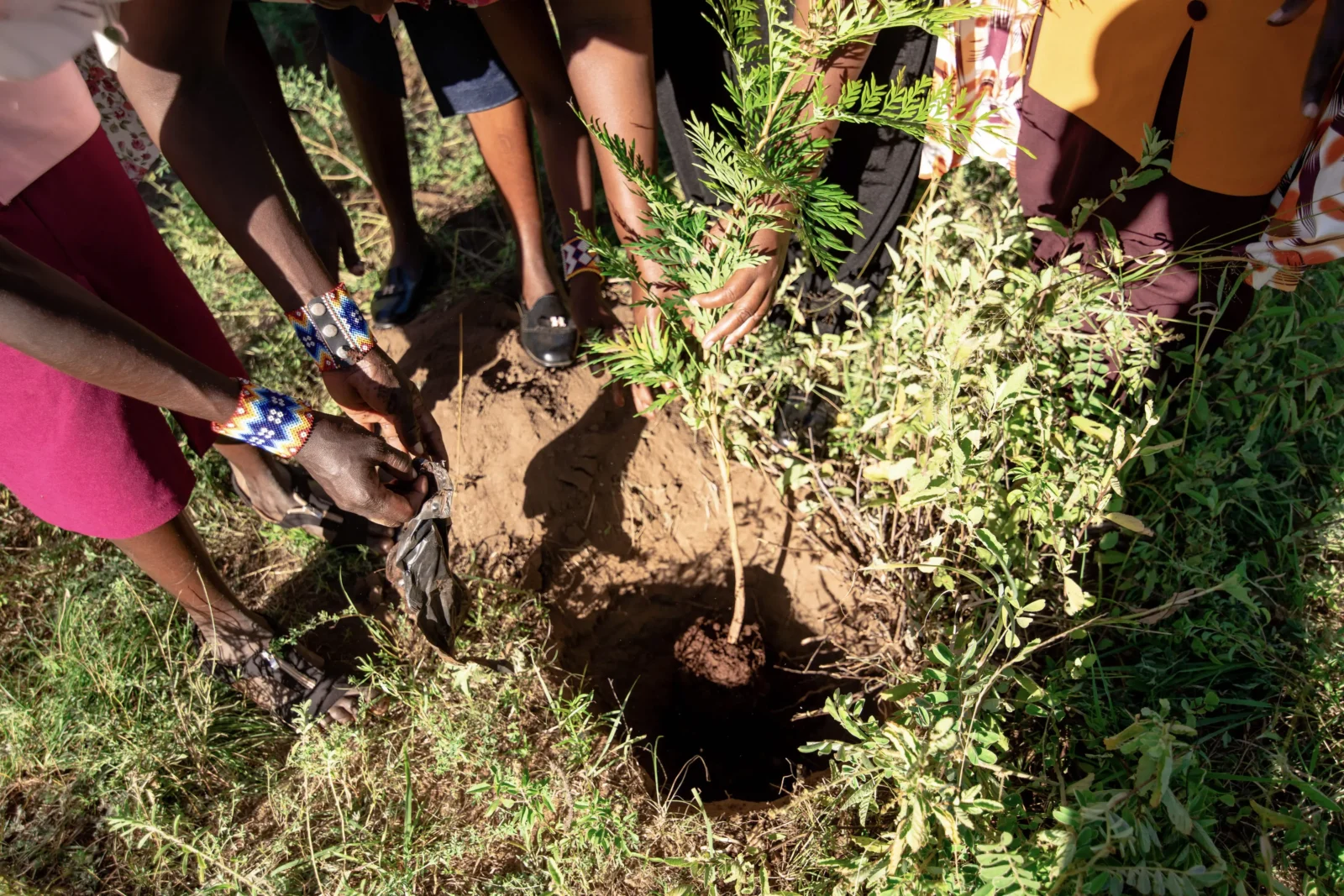

Meet our grantee-partners
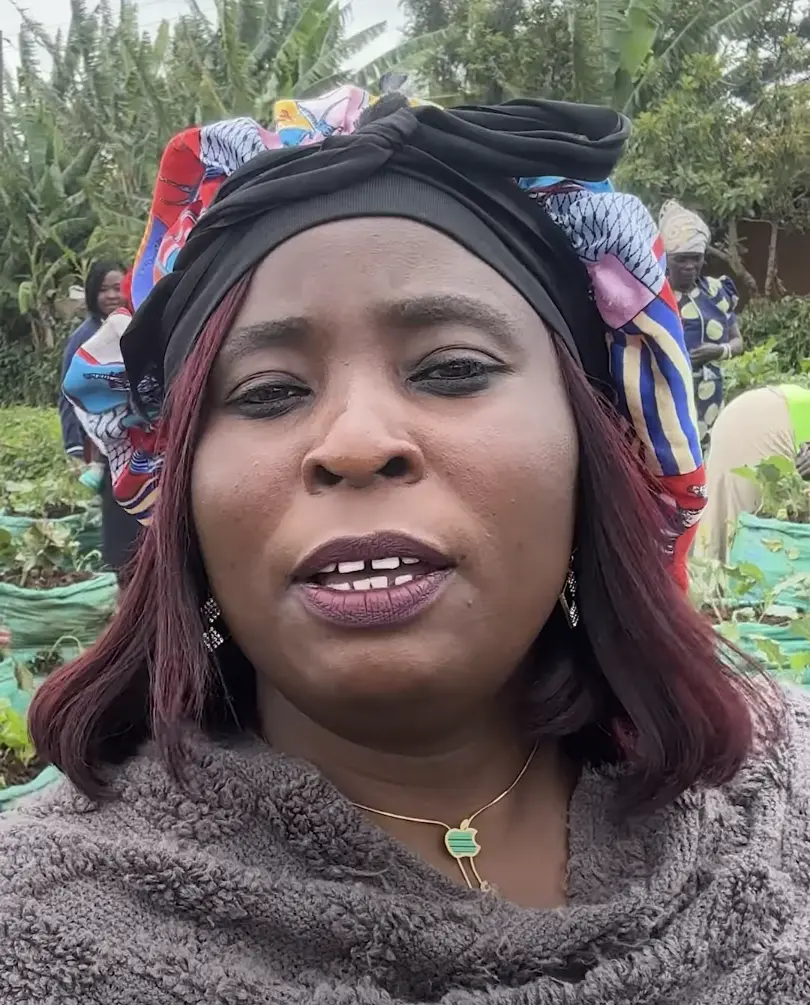











Partners
Global Alliance for Green and Gender Action
Mama Cash is a proud member of the Global Alliance for Green and Gender Action (GAGGA), which supports women-led, gender-just climate action.
GAGGA brings together women’s funds, environmental justice funds, non-governmental organisations, and community-based organisations responding to climate breakdown. Even as this organising becomes more urgent and more visible, climate policy and finance still lag far behind what is unfolding on the ground. GAGGA exists to bridge that divide.
The alliance is facilitated by Fondo Centroamericano de Mujeres, in collaboration with Mama Cash and Both ENDS. In 2025, GAGGA marked the conclusion of a decade of funding from the Dutch Ministry of Foreign Affairs (2016-2025), while continuing its work through new and renewed partnerships. This transition reflected sustained advocacy and donor engagement, resulting in a renewal with the Minister for Foreign Affairs and Trade of Ireland and new funding from the Danish Ministry of Foreign Affairs.
Locally-led climate action
In 2025, GAGGA brought feminist movements working on the frontlines of the climate crisis into direct conversation with governments and climate funders through side events at international forums. These exchanges made locally-led climate action visible in global policy discussions, and challenged who is recognised as a legitimate climate actor.
At the Commission on the Status of Women and during London Climate Action Week, GAGGA worked with the UK Foreign, Commonwealth and Development Office on events that centred women environmental human rights defenders and what it takes to deliver gender-just, locally-led adaptation in practice. The London Climate Action Week session launched a joint brief (externe link, opent in nieuw tabblad) by the International Institute for Environment and Development, GAGGA, and Mama Cash on shifting adaptation finance to local communities through effective intermediaries. At the 2025 UN Climate Change Conference, GAGGA co-organised side events with the government of Canada on climate finance reaching grassroots action, and with the UK government on the climate, conflict, and gender nexus. A separate session brought in the governments of Ireland and the Netherlands on moving from pledges to gender-just Indigenous, locally-led climate solutions. GAGGA also convened a donor dialogue in June, further deepening engagement with government and philanthropic funders.
Women environmental human rights defenders
Crucially, GAGGA supported research led by women environmental human rights defenders to surface issues often missing from climate policy debates. This included new analysis on the gender, conflict, and climate nexus, produced through a feminist participatory action research approach. With GAGGA’s support, Mama Cash convened two sessions where grantee-partners exchanged tools for resisting extractive development projects (externe link, opent in nieuw tabblad) and protecting their territories through legal action, community media, mangrove restoration (externe link, opent in nieuw tabblad), and biodiversity conservation. A documentary film (externe link, opent in nieuw tabblad) further amplified the leadership of women defenders across regions.
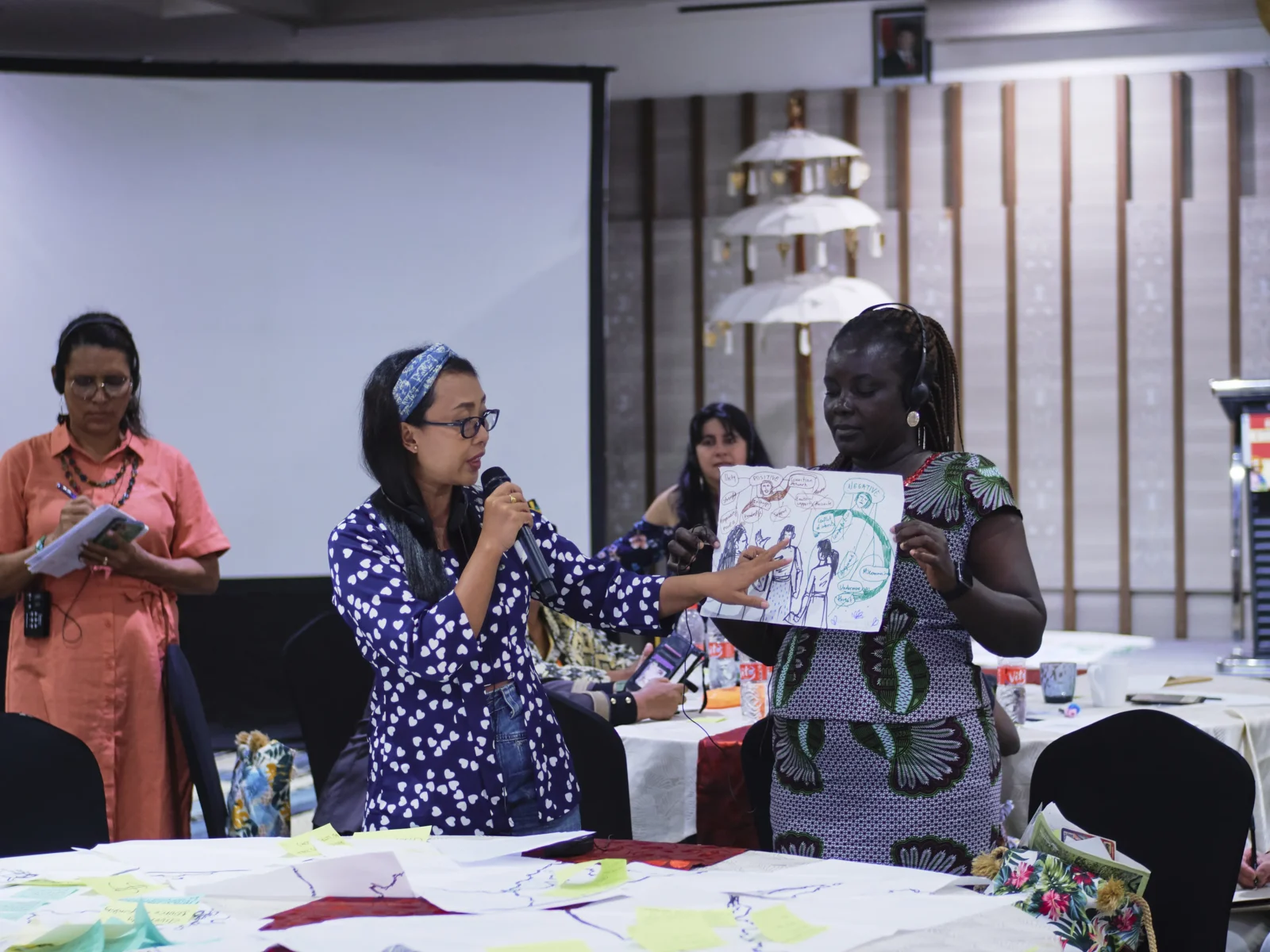
In June, GAGGA convened around 70 of its partners in Bali to meet face-to-face at a moment of growing pressure on climate and feminist organising. The gathering created a rare space for partners to connect across regions, exchange strategies, and plan collective responses to shared threats. Mama Cash grantee-partners and other GAGGA partners continued cross-border collaboration, strengthening feminist and climate justice work through joint advocacy and sustained peer exchange initiatives.
Feminist climate justice
Through this work, GAGGA continued to push for feminist climate justice [2] to be recognised, resourced, and taken seriously, both on the ground and in the policy spaces where climate futures are decided.
[2] Feminist climate justice places gender justice and democracy at the centre of climate action and seeks to disrupt the dominant, exploitative economic, political, and social structures that led to the climate crisis in the first place.



CMI! partner story: Intersex Philippines
Count Me In! Consortium
Count Me In! (CMI!) is a feminist consortium coordinated by Mama Cash that backs movements led by structurally excluded women, girls, and non-binary, gender non-conforming, trans and intersex people.
It funds their work and pushes for change, particularly around economic justice and ending gender-based violence. Funded by the Dutch government, the consortium consists of the Association for Women’s Rights in Development (AWID), CREA, Just Associates (JASS), Urgent Action Fund for Feminist Activism, and Urgent Action Fund-Africa. The Red Umbrella Fund and the Dutch gender platform WO=MEN are strategic partners.
Increased resilience
In 2025, CMI! entered its tenth and final programme year. Its impact must be understood against a sharply deteriorating global funding and political landscape. With major donors withdrawing or restricting support for feminist organising and advocacy, CMI! prioritised ensuring that resources continued to reach movements under pressure while strengthening their capacity to endure beyond the programme’s lifetime. Across regions, partners reported increased resilience, stronger alliances, and greater readiness to navigate shrinking civic space, intensified repression, and financial precarity.
One of CMI!’s most significant contributions has been its sustained support for sex workers’ rights and trans inclusion within feminist and human rights spaces. In 2025, this work came together in coordinated global action to challenge anti-rights narratives at the UN and in other international forums. Sex workers led advocacy efforts directly, shifting debates that had long excluded their voices. Positions that were once marginal or openly resisted are now widely recognised within feminist spaces and are being carried forward by movements themselves.
A stronger, more connected feminist ecosystem
As CMI! moved toward its planned close, work in 2025 centred on helping partners strengthen their own resource strategies, deepen political relationships, and hold on to the skills and connections built over time. As a result, CMI!’s impact is not limited to specific policy wins or advocacy moments, but lives on through the people, networks, and ways of working that remain in place. Its legacy is a stronger, more connected feminist ecosystem that is better equipped to resist backlash and to continue shaping change after CMI!’s formal conclusion.
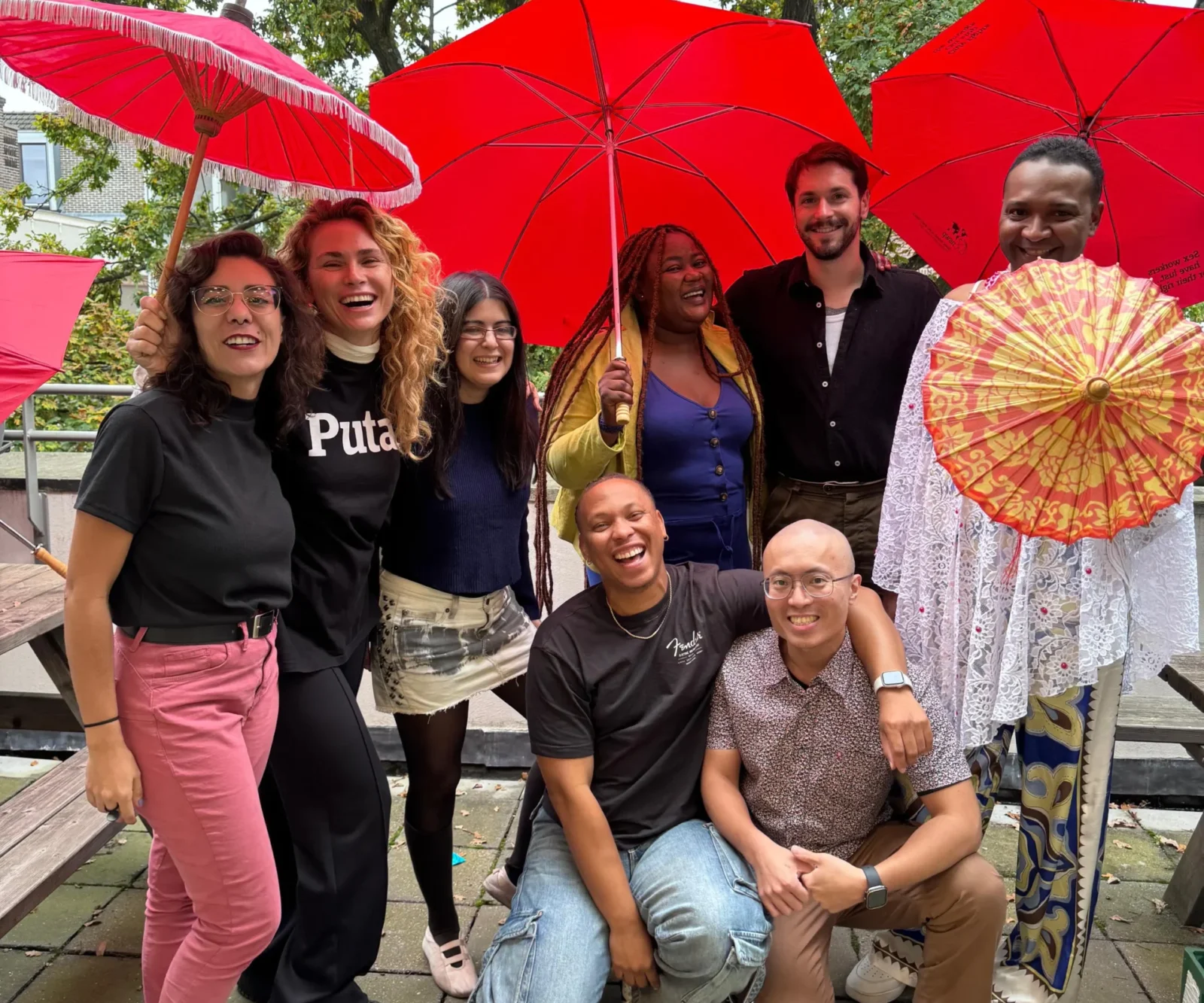
One of CMI!’s most significant contributions has been its sustained support for sex workers’ rights and trans inclusion within feminist and human rights spaces.

Red Umbrella Fund
Red Umbrella Fund (RUF) is a global participatory fund by and for sex workers. Hosted by Mama Cash, RUF strengthens the sex workers’ rights movement by resourcing sex worker-led groups and networks, and by changing how funders understand – and fund – sex worker organising.
RUF works because sex workers lead it. Flexible funding means groups can respond fast, stay organised, and keep going.
Volatility and uncertainty
In 2025, funding for sex worker-led organising continued to shrink and harden politically at the same time as needs rose and operating space narrowed. RUF felt this on multiple fronts. First, the wider global health and rights funding environment became less predictable, creating knock-on effects for sex worker-led groups and for the intermediaries many of them rely on. RUF itself cannot access US government funding because of the anti-prostitution pledge, but the movement was still exposed to volatility and uncertainty in US-backed funding streams.
In parallel, RUF faced a major donor shift: the Dutch Ministry of Foreign Affairs withdrew support previously provided through the Count Me In! consortium, where RUF had been funded as a strategic partner for five years. Dutch funding made up a large share of RUF’s €1.8 million annual budget. With other private philanthropies planning to exit the space by 2027, RUF is strategically working on closing the funding gap created because of these changes at a moment when sex worker rights funding is often treated as risky or politically inconvenient. Grantee-partner reports already noted that dozens of organisations were forced to close their doors in late 2024, and the numbers rose as funding tightened in 2025.
Doubling down on effort
Despite intensifying pressure, RUF did the opposite of retreat: it doubled down on effort. Responding to the moment with a clear, practical stance, it worked to stabilise what is essential, protect movement capacity, and diversify resources without compromising principles. In practice, it kept organising finances and resources moving to sex worker-led groups that are often last in line for mainstream funding, all while holding the line on a rights-based approach to sex work.
In 2025, RUF began developing a 1 to 2-year interim strategy built for uncertainty – so the fund can stay responsive while planning beyond immediate turbulence. It also kept pursuing partnership pathways with key allies, including collaboration conversations with the Global Network of Sex Work Projects (NSWP) and Sex Equate, and exploration of added government funding routes.
RUF supported the development and release of From Do-No-Harm to Inclusion: A Toolkit for Funders on the Issue of Sex Work (externe link, opent in nieuw tabblad) with the Sex Work Donor Collaborative. The publication was presented at the UN Commission on the Status of Women in March and published in June. It aims to improve how funders approach sex work by grounding decisions in human rights and sex worker leadership, rather than stigma or moral panic.
More funders
Even in a funding climate stacked against sex worker-led organising, RUF’s long-term work is showing results with more funders coming on board, and more individuals backing the mission. RUF secured new support including a $100,000 bequest and two grants totalling roughly €500,000 (Elton John Aids Foundation and Swiss philanthropy). RUF’s individual donor base – around 70% based in the US – also grew, from €14,000 raised in 2023 to €18,000 raised toward 2025 grants.
In 2025, RUF awarded its first grant in Taiwan, supporting Taiwan Sex Industry & Workers’ Rights Advocacy (TSIWRA). The group has led Taiwan’s first legislative drafting process centred on sex workers’ labour rights, reframing sex workers as rights-holders within human rights and anti-discrimination frameworks. TSIWRA developed the first draft of the Sex Industry Workers’ Rights Protection Act in Taiwan, explicitly focused on sex workers’ labour rights. It also engaged in policy discussions on anti-discrimination, bodily autonomy, and public health, including government consultations on HIV and STI prevention. Through their work, sex workers’ perspectives were brought into legal and policy spaces that have historically excluded them.
The European Sex Workers Rights Alliance (ESWA) has been funded by RUF since its inception. RUF proudly supports ESWA’s work representing sex workers across Europe, including the largest sex worker-led study in the region. Based on this research, ESWA published Exposed From All Sides: The Role of Policing in Sex Workers’ Access to Justice, positioning sex workers as knowledge producers, researchers, and political actors. ESWA launched the report at the European Parliament, with several Members of the European Parliament speaking at the European Criminology Society, where they led a session on ‘Othering: rethinking police relations with vulnerable groups’, challenging narratives that frame police interference as a way to ‘save’ sex workers.
‘In addition to being a funder, the Red Umbrella Fund has also been a great companion, a dedicated supporter, and an inspirational guide for the community and trans sex workers by providing precise and on-point guidelines and feedback on applications and reports, and, just as importantly, connections to funding opportunities.’
– Anonymous RUF grantee-partner from Asia-Pacific
RUF’s individual donor base – around 70% based in the US – also grew, from €14,000 raised in 2023 to
€18.000
raised toward 2025 grants.


Money
In 2025, we saw the urgent need to mobilise more resources to feminist movements. At the same time, we witnessed many funders being committed to using their resources and voices to shift the needle for gender justice.
There was a growing and vocal number of high-net wealth individuals and philanthropic funders who see the critical role that feminist movements play in securing lasting change and addressing the structural drivers of inequality.
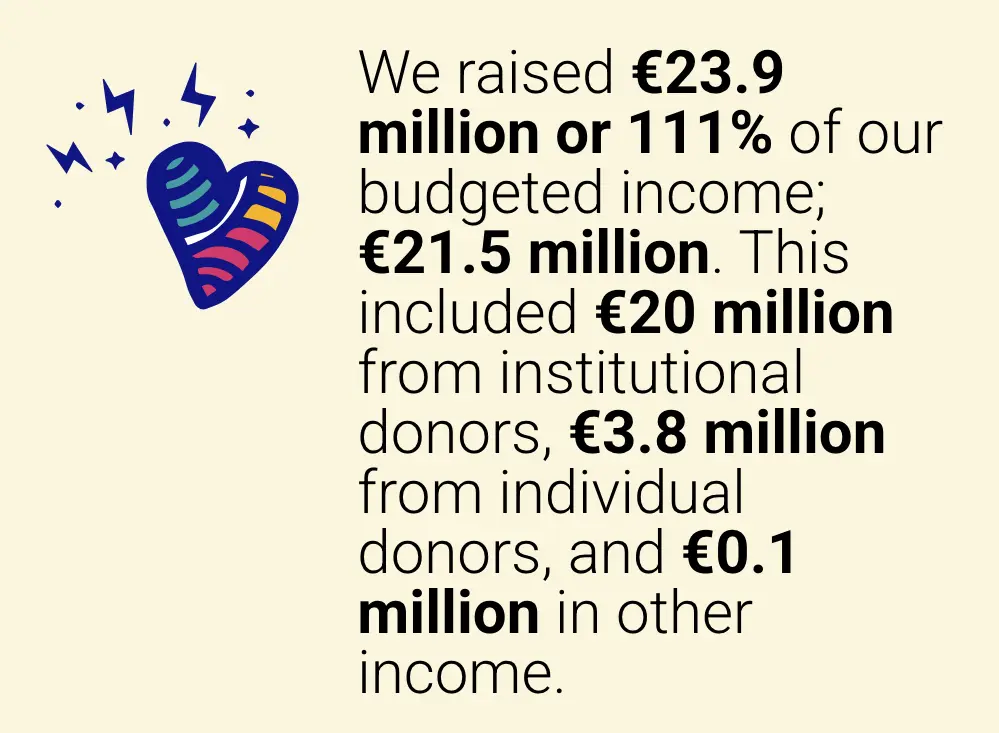
Thanks to our incredible community of supporters, we raised €23.9 million: 111% of our budgeted income of €21.5 million. This included €20 million from institutional donors, €3.8 million from individual donors, and €0.1 million in other income. Exciting successes in our fundraising work included new partnerships with funders such as the Danish International Development Agency (Danida), Fondation CHANEL, and National Philanthropic Trust (Pivotal Ventures).
Institutional donor relations
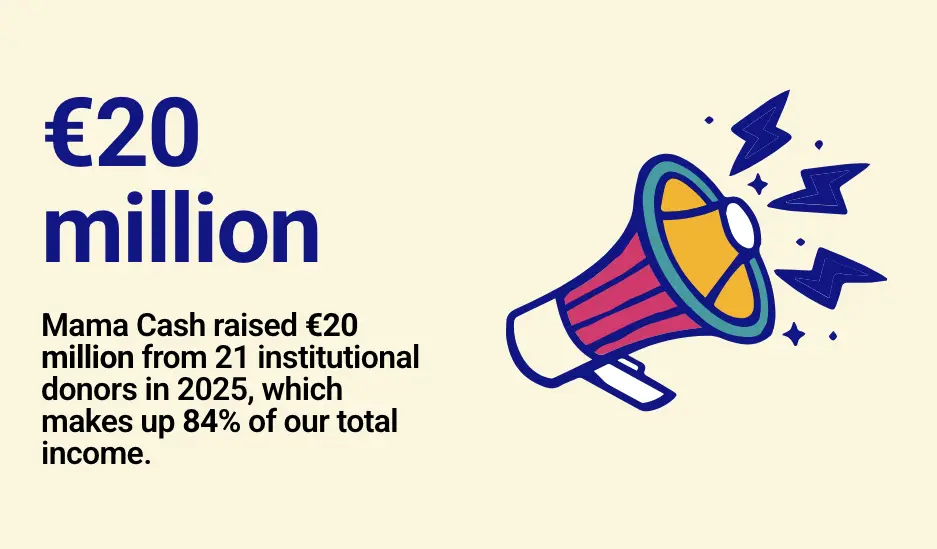
Mama Cash raised €20 million from 21 institutional donors in 2025, which makes up 84% of our total income. These donors include governments, private foundations, and the Dutch Postcode Lottery.
2025 saw significant changes to the government funding landscape with Official Development Assistance reductions and reprioritisations. After 10 years, the strategic partnerships between the Dutch Ministry of Foreign Affairs and the Count Me In! Consortium and Global Alliance for Green and Gender Action came to an end. We successfully secured a renewal with the Minister for Foreign Affairs and Trade of Ireland and new funding from the Danish Ministry of Foreign Affairs for the GAGGA Alliance to continue. We also focused on deepening and expanding our relationships with foundations, including with Fondation CHANEL. We were pleased to be selected as an awardee for Pivotal’s Action for Women’s Health initiative.

What donors say about us…
‘At a time when feminist movements remain significantly underfunded, particularly following recent cuts to economic development programmes, we see investing in feminist-led organisations as critical to achieving durable impact. Mama Cash’s mission and practices centre those most affected by systemic issues and who are often hardest to reach by donors, providing vital resources to grassroots activists demanding rights and dignity for the most vulnerable. In our own work which seeks to empower workers and advance labour rights, we are proud to partner with Mama Cash as an intermediary to support trust-based, participatory, and accompaniment practices in philanthropy. We believe their commitment to feminist- and women-led movements ensures impacted communities are at the forefront of change.’
– Ryan Heman, Director, Forced Labor & Human Trafficking, Humanity United
Individual donor relations
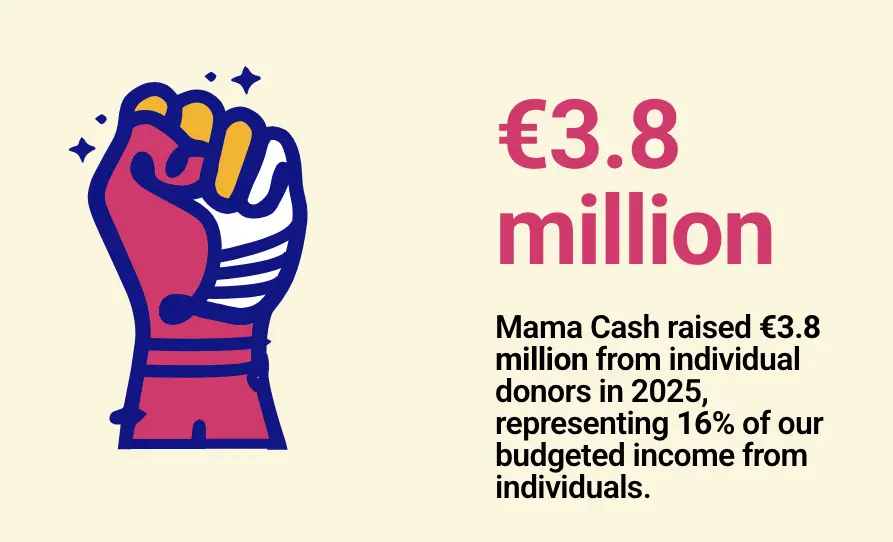
Mama Cash raised €3.8 million from individual donors in 2025, which represented over 16% of our budgeted income. This is a significant increase from the previous year, and we are extremely grateful for the continued support and trust that our individual donors place in us. We actively nurture our donor base through regular communications and stewardship activities that strengthen relationships and build a sense of shared purpose and community around our mission. In parallel, we seek to attract new donors through targeted outreach and campaigns, inviting more people to join and support feminist movements. Our fundraising strategy therefore focuses on strengthening donor retention and diversifying our individual giving base through continued acquisition and engagement efforts.
We continued to develop robust ways of ensuring our existing donors were kept up to date with our work, for example, by sharing a quarterly newsletter that highlighted the work of some of our incredible grantee-partners. They also had the opportunity to directly engage and ask questions via webinar sessions and in-person events on key thematic issues, including an informative webinar on gender-based violence.
To follow up on from the ambitious high-net wealth individual engagement strategy we developed, we also hosted several successful small events and gatherings of individuals in the US and attended several global events, including Nexus Global Summit and Women Moving Millions, to raise awareness of the importance of feminist funds. We continued to widely showcase the impactful work of grantee-partners to this new audience.
Our marketing campaign in the Netherlands started at the end of the year, and a suite of exciting content has been produced, with our first online campaign being launched on gender-based violence. We will continue to expand our marketing work in 2026, as well as broaden our profile in the Netherlands.

What donors say about us…
Lauren Call, individual donor from Utah, the US
What first motivated you to support women’s rights?
‘I had what you might call an unusual path into equity work. I grew up in a household where equality was normal. Both of my parents were journalists in the same level role, so I always saw them as equals. Later, being surrounded by diverse classmates at theatre school gave me an early understanding of inclusion. When I later attended a more liberal arts school for free as my mother was a librarian there, it was a space where there was more affluence, but I saw that not all communities were represented equally. I became aware of the lack of diversity in some spaces.’
Why are women’s rights important to you personally?
‘In today’s uncertain political climate, protecting women’s rights feels essential to creating a safe, just future for my children. I want to intentionally teach them about equality, justice, and civil rights – values my parents passed on to me. I want my daughter to grow up with the same opportunities as men and others, and I want my son to learn how to be a caring, inclusive person.’
How do you see gender (in)equality in your day-to-day life?
‘Working in film and television, I see how difficult it can still be for women. We still face barriers and expectations that men don’t, and many traditional attitudes persist. Since moving into producing more recently, I also see how having women in positions of power can create positive change: creating space and opportunities for others and building more inclusive working environments.’
What inspired you to support women and girls in other parts of the world?
‘I was inspired by hearing your Co-Executive Director, Happy Mwende Kinyili, speak about how deeply intertwined global struggles for women’s rights are. It made me realise that challenges now emerging in the US are ones that women in other parts of the world have faced for years.
That understanding pushed me to look beyond national borders and learn from global movements. Mobilising communities across borders is what will work. Around the world, communities have come together to push back against authoritarian regimes, and we have a responsibility to learn from them and come together ourselves. Women coming together is powerful – many are empathetic leaders, strong team players, and that kind of leadership feels especially needed right now.’
What does giving mean to you on a personal level?
‘Giving feels like a serious responsibility. When I first began, I felt uncertain, especially about giving internationally, but over time I’ve gained confidence and clarity. I choose to give fewer, larger gifts because I believe that’s how I can make the greatest impact. For me, giving means being intentional, supporting organisations I truly believe in, and knowing that my donations are being used thoughtfully and effectively.’
Why did you choose Mama Cash specifically?
‘Those values are exactly what led me to Mama Cash. I value being a true partner: able to trust your vision without needing to be involved in day-to-day operations. When I heard Happy speak at a conference, they stood out, and I had a real “aha” moment. It helped me fully understand Mama Cash’s work and ethos, especially the way you support and trust grantee-partners to decide how funding should be used based on what they need. I’m deeply inspired by the leadership of Mama Cash and its serious, long-term commitment to supporting women’s groups and movements across the world. I’m keen to continue supporting you in whatever way I can.’






Communications
In March 2025, we implemented a robust social media campaign aimed at promoting the Resilience Fund Letter of Interest (LOI), at improving applicant’s understanding of our eligibility criteria, and at increasing awareness of grantee-partners’ impact.
We secured and/or engaged with a variety of (earned) media opportunities – from podcast appearances to full text interviews in Dutch and US media, and featured articles in philanthropy media. Most notably, we were featured by Myriad USA, in three editions of the F20 Climate Solutions Magazine, the Fuller Project, and Alliance Magazine.
Through targeted engagement at high-level events, we strategically amplified the case for funding feminist movements and highlighted the importance of long-term movement sustainability. This included speaking engagements at the UN Commission on the Status of Women, Foreign Policy’s Her Power event, Nexus Global, the Women’s Funding Network’s Feminist Funded convening, the Free Future event, and the Women Moving Millions’ annual summit. Alongside external representation, we worked closely with grantee-partners working on environmental justice (externe link, opent in nieuw tabblad), digital rights (externe link, opent in nieuw tabblad), Indigenous rights (externe link, opent in nieuw tabblad), and gender equality (externe link, opent in nieuw tabblad) to produce compelling stories and articles on their successes and ambitions.
In 2024, we commissioned a comprehensive audit of our communications work. In the first quarter of 2025, we consequently finalised and adopted an updated Communications Strategy that will guide our communications efforts and ensure they are effective in driving Mama Cash’s core mandate forward. In line with the new Communications Strategy, we developed a new inclusive language guide and led a refresh of our branding guidelines and design assets.
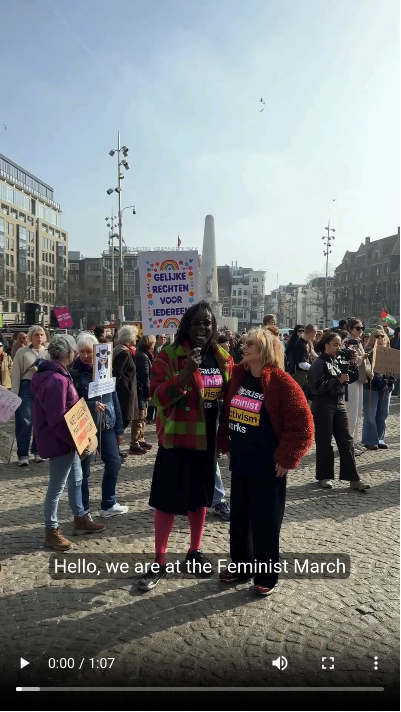
Influencing the donor community
Our donor influencing efforts in 2025 continued to build on our two key areas of work: pushing for stronger financial and political commitments to feminist movements in global policy spaces and directly engaging funders to secure more and better funding.
We contributed to policy dialogue on resourcing feminist movements related to official development assistance and climate finance and brought our expertise as a feminist funder into various policy and multilateral spaces, such as the UN Commission on the Status of Women and OECD GenderNet. We showcased Mama Cash’s Impact Study and our Accelerate Together (externe link, opent in nieuw tabblad) campaign messaging throughout our engagement around the UN Commission on the Status of Women (CSW69). This included an insight brief (externe link, opent in nieuw tabblad) on the role of women-led activism in advancing democracy, development, and peace in partnership with Foreign Policy magazine, as well as an official UN side event co-hosted with the UK Foreign, Commonwealth and Development Office and other partners to address the urgency and impact of supporting feminist movements.
Our collective influencing work focused on our Accelerate Together Campaign (externe link, opent in nieuw tabblad), together with Alliance for Feminist Movements, Gender Funders Co-Lab, and Prospera. This campaign aims to mobilise $600 million annually for the feminist funding ecosystem and launched publicly in January 2026. Beyond the campaign, we continued to strengthen existing partnerships, such as through our role as a steering group member of the Alliance for Feminist Movements and collaborating with Foreign Policy magazine on an event with our strategic partner the Global Alliance for Green and Gender Action (GAGGA) during the UN General Assembly and Climate Week NYC.
We are building on our work on climate finance, specifically on the role of women’s and feminist funds in locally-led climate action. Together with GAGGA and the International Institute for Environment and Development, we authored an insight brief (externe link, opent in nieuw tabblad) on the role of effective intermediaries in advancing locally-led adaptation (LLA) and co-hosted a workshop with the UK Foreign, Commonwealth and Development Office on gender-just climate action and LLA during London Climate Action Week. At the 2025 UN Climate Change Conference in Brazil, we continued to amplify our work on climate finance through direct engagement with bilateral climate finance teams, leaders of climate philanthropy, and other feminist and socio-environmental funds. GAGGA co-hosted five events, including official side events, government pavilion events, and panel discussions at the Global South House, which included Mama Cash grantee-partners highlighting their experience with gender-just climate action. Our efforts contributed to increased attention and understanding among multilateral and bilateral donors on how to move funding effectively to local organisations led by structurally excluded communities.

Courage in action: how feminist activism is changing the world
Mama Cash spoke with Baya Jansen-Sharkaeva, Director of Partnerships and Communications, about feminist activism, courage, and striving for a better world.
Could you briefly introduce yourself?
‘I am Baya Jansen-Sharkaeva and have been working as Director of Partnerships and Communications at Mama Cash for the past two years. My history with the organisation goes back further: in the seven years prior to this role, I focused primarily on fundraising from institutional donors at Mama Cash. I came to the Netherlands 23 years ago to study and now live in Amsterdam with my partner and our two daughters.’
Why did you want to work at Mama Cash?
‘Many of us know what it feels like not to be seen or heard. That experience can shape your entire life. I grew up in Elista, a small town in south-west Russia, in a patriarchal society. My family belonged to an ethnic minority, which meant that discrimination was a part of my life growing up. My role and place in society were defined for me by my gender from an early age. Those experiences have shaped who I am. After completing my studies, I wanted to do work that would bring together my personal and professional values. I began my career in the corporate sector, working on development cooperation projects, but my heart was always with women’s rights and feminist activism. That is how I ultimately came to Mama Cash.’
What exactly do you mean by feminist activism?
‘Let me start with activism in general. I believe that anyone who commits themselves to something of social importance can be an activist – even if they do not call themselves one. Just as some women may not describe themselves as feminists, while still sharing those values. The word “activist” can sound big or intimidating, but in reality activism is for everyone, as long as you are committed to building a better world.
Mama Cash supports feminist activists around the world who champion democracy, human rights, climate and gender equality, and who fight against gender-based violence. The latter affects one in three women globally and is therefore an urgent issue, including in the Netherlands.
In the Netherlands, for example, we support the Girls Guide Group, a collective of girls with migrant backgrounds from various African countries. They campaign against forced marriage, female genital mutilation, and sexual oppression. They create safe spaces where girls can support one another and work together to break taboos. Through our Spark grant, they are able to reach and directly support at least 50 vulnerable girls.’
Why is feminist activism so important?
‘Feminist activists are often among the first to face challenges such as polarisation and climate change. As a result, they frequently develop smarter, more effective, and more sustainable solutions. Their work therefore brings all of us closer to a just world.’
How does Mama Cash ensure that feminist activists receive funding?
‘We receive funding from two main sources. The first source is individual donors. These are people who often support us over the long term. Because their donations are not tied to a specific theme, we can use these funds flexibly. That flexibility is crucial for activists who need to respond quickly, for example in a crisis such as a flood or a war.
In addition, we receive grants from foundations and other institutional funders. These are usually larger amounts, but they come with conditions attached. The funding often has to be spent on specific themes or within a set timeframe.
Both types of income are indispensable. It is becoming increasingly difficult for civil society organisations to raise funds, particularly from governments and other foundations. Gender equality and women’s rights are receiving less and less attention from them. That is precisely why the support of individual donors is so important.’
Some donors want to do more than just give money. What would you advise them?
‘I have a few practical tips. Start – if you are not already doing so – by voting. Politics has a tremendous influence on where money and power flow. So vote for the future you want to see. Take part in demonstrations and make your voice heard. Follow our social media channels and help us amplify the work of our partners.
You can also look at ways to support grassroots organisations directly. What issues matter most to you? Gender equality, inclusion, women’s rights – whatever your focus, seek out an organisation working in that area. Smaller organisations often need expertise to help them grow and achieve their goals. You can play an important role in supporting that.
Finally, consider what you can do within your current role. If you work in government or philanthropy, for example, you can help make policies or programmes more accessible. Wherever you work, you can raise awareness among your colleagues about the importance of women’s rights and gender equality.’
What do you see as the essential ingredient for change?
‘If you want to change something, courage is essential. It is no coincidence that the theme of our annual report is “courage in action”. I would therefore like to invite all of us to be braver. We can all make a difference: even small actions or small steps can lead to significant change. And you do not have to do it alone. Look for people around you with whom you can take action and exchange ideas.’
What is your dream for the future?
‘I have two daughters, and I hope their experience will be different from mine. I dream of a society in which discrimination no longer exists. That may sound idealistic, but it is what we must strive for. A world in which everyone is seen and heard and can be themselves. It is not the world we live in now, but hopefully it will be the world in which our children, or their children, will grow up. That is the world I fight for every day.’
Learning Monitoring Evaluation
Learning, Monitoring, and Evaluation (LME) at Mama Cash looks at how our way of working contributes to feminist movement impact over time. It focuses on durability, relevance, and effect: are resources reaching the right actors, supporting meaningful organising, and enabling movements to persist and adapt in hostile conditions? Learning is treated as a shared process with grantee-partners and is used to inform strategy, funding decisions, and organisational practice.
Mid-term evaluation
The central pillar of LME in 2025 was the midterm evaluation of Mama Cash’s strategic guide In Movement Together: Funding Feminist Activism Globally (2021-2030) which focused on our Movement strategy and was conducted against a sharply deteriorating global context marked by escalating authoritarianism and sustained pushback against rights. The evaluation reviewed progress across the first half of the strategy, examining how Mama Cash’s funding streams and accompaniment support feminist organising under pressure. It assessed both the tangible wins and visible gains achieved, and the extent to which partners and activists can sustain their work, adapt to backlash, strengthen capacity, and remain politically relevant, and where adjustments may be needed going forward.
One clear pattern from the evaluation was that grantee-partners are using Mama Cash’s support to coordinate locally and internationally, and influence change across interconnected issues – enabled in part by Mama Cash’s borderless, themeless funding approach. It also showed that individuals supported through the Radical Love Fund often used the support to restore their wellbeing and strengthen relationships. This was then channelled into new collaborations and movement-building.
A key area of focus of the evaluation is accompaniment, how it is being practiced, how it is understood internally and by partners. As part of the midterm evaluation, a cohort of grantee-partners supported the process and took part in a storytelling-focused learning series, reflecting Mama Cash’s approach and its commitment to learn with, for, and from partners. While our partners deeply value accompaniment, its impact is often implicit. The evaluation highlighted an opportunity to strengthen how accompaniment is named, described, and tracked. Making this work more explicit would allow Mama Cash to learn more systematically where accompaniment adds the greatest value, for whom, and under what conditions.
The evaluation reaffirmed our strategic direction and strengthened our approach, without leading to changes in the overall multi-year strategy. The midterm evaluations of the operational pillar are scheduled for 2026, and fundraising strategy will be evaluated in 2027.
Partnerships and programmes
Alongside the midterm evaluation, Mama Cash also carried out evaluation and learning work linked to key partnerships and programmes, including the completed GAGGA evaluation and the ongoing Count Me In! (CMI!) evaluation, expected to conclude in May 2026. Across these processes, Mama Cash stayed in regular dialogue with grantee-partners.
Mounting pressure
In 2025, LME work unfolded under mounting pressure on feminist organising. This reinforced the need for learning approaches that can account for changes in context, shifts in strategy, and periods where progress is uneven or difficult to document.
Grantee-partners are using Mama Cash’s support to coordinate locally and internationally, and influence change across interconnected issues – enabled in part by Mama Cash’s borderless, themeless funding approach.

Annual Accounts


Organisational report
IT systems
Information Technology and Digital Transformation
2025 was a year of continued progress with a strong focus on improving digital capability and preparing the organisation for a cloud-ready future. This will enable the organisation to be better positioned to leverage relevant emergent technologies. This progress was demonstrated through successfully automating and improving our grant payment process. This enhancement has made payment to grantee-partners faster, more reliable, and largely error-proof, while reducing administrative workload and improving overall efficiency. We have also seen an increase in user requests, and a growing demand for online tools and services across the organisation.
The Salesforce revamping project continued throughout the year. While good progress was made, the go-live date was rescheduled to summer 2026 to allow more time for building, testing, data readiness, and change management. This approach ensures a more stable and effective launch.
Improvements were delivered within our donor management system, Raiser’s Edge. We integrated the system with SharePoint to simplify document management and improve accessibility. In addition, a new integration tool was developed to enable seamless data exchange between the donor management system, Raiser’s Edge and our finance system, Exact. This improves data accuracy, financial reconciliation, and reporting.
In relation to General Data Protection Regulation (GDPR), relevant processes and policies were reviewed and approved by the Management Team. In 2026, the focus will shift to organisation-wide GDPR training to ensure all employees understand their responsibilities and consistently apply best-practice data protection standards. We also continued to build cyber security awareness throughout the organisation which involved a successful penetration test.
Organisational development
In 2025, we were building on the organisational strengthening work initiated in 2024. Following a comprehensive assessment of our organisational capacity using the Organisational Management Tool, made available through our Ford Foundation BUILD grant, we began implementing a targeted Organisational Strengthening Plan. This plan, grounded in collective reflection and prioritisation, continued to guide our efforts to strengthen systems, practices, and long-term sustainability throughout 2025.
Key priorities we envisioned for 2025 included strengthening our governance, increasing organisational clarity, and enhancing operational effectiveness across departments. As part of this work, several foundational HR and organisational frameworks were further developed and embedded. This included updating job descriptions and revising organisational policies, which are currently in their final stages of completion.
In parallel, significant progress was made in professionalising core people processes. This work focused on strengthening policies and procedures, improving HR data integrity, and enhancing compliance with Dutch labour law and relevant Collective Labour Agreement (CLA) requirements. Together, these efforts contributed to greater transparency, consistency, and organisational risk awareness.
In 2025, Mama Cash undertook a restructuring process in response to significant shifts in the funding landscape and the anticipated reduction of bilateral funding as of 2026. The process was designed and executed to ensure Mama Cash’s long-term sustainability and ability to keep moving resources to grassroots communities worldwide.
The restructuring was supported by a formal Request for Advice to the Works Council, ensuring timely involvement and meaningful consultation. The Works Council issued neutral advice to the Management Team. Throughout the restructuring process, attention was given to clear communication, individual guidance for affected employees, and a strong focus on transparency, legal compliance, and safeguarding both organisational continuity and employee interests. As this step directly affected valued colleagues who have made significant contributions to our mission, we recognise and honour their work and legacy.
The foundations laid through this work position the organisation to navigate ongoing transitions while preparing for future growth in a sustainable and accountable way. These organisational strengthening efforts will continue into 2026.
Our team
Mama Cash had 63 employees as of 31 December 2025 (59 in 2024). Of these employees, 33 employees (52.4%) are based in the Netherlands, and 30 employees (47.6%) work remotely.
Over the course of 2025, 7 employees left the organisation, while 8 new employees joined.
Mama Cash is committed to supporting the self-led, collective activism of feminist movements. We consider organisations, collectives, or initiatives to be self-led when they are founded, led, and/or run by people who belong to the communities whose rights they seek to advance. In line with our mission, Mama Cash itself must also be led by women, girls, and trans people and/or intersex people. Because we take an intersectional approach to supporting feminist movements, we track staff members’ geographic region, gender identity, disability status, and whether they identify as a member of a racialised group.
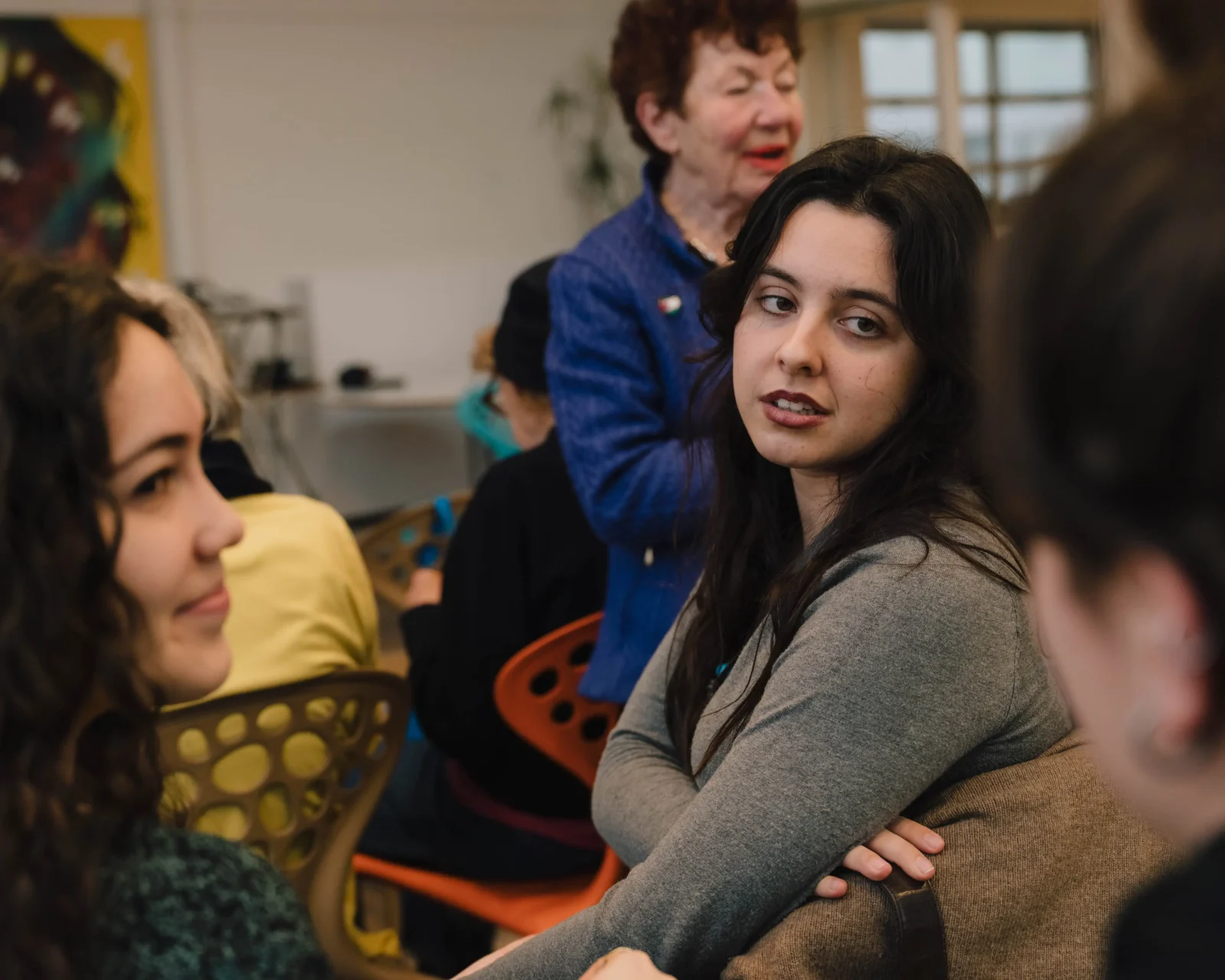

Mama Cash had
63 employees
as of 31 December 2025 (59 in 2024).
Of these employees, 33 employees (52.4%) are based in the Netherlands, and 30 employees (47.6%) work remotely.
To assess the degree to which Mama Cash is self-led and representative of the movements we support, we conduct a voluntary survey of our staff and the Supervisory Board. This survey was first conducted in 2023.
Currently, Mama Cash staff is located across the following regions:
Since 2023, an anonymous internal survey has been conducted to gain insight into how employees and members of the Supervisory Board identify themselves, for example in terms of gender and/or sex identity (such as female, intersex and/or trans). This survey is carried out on a voluntary and confidential basis. In total 35 respondents (55.56% of total survey invitees) took part in the survey over 2025 (35 in 2024). Of these invitees, 82.86% of respondents identified as women, 5.71% identified either as trans or non-binary, and 2.86% identified either as man or intersex.
83%
of respondents self-identify as  (externe link) women
6%
of respondents self-identify as  trans
trans
3%
of respondents self-identify as being  intersex
6%
of respondents self-identify as non-binary
3%
of respondents self-identify as man
Find more on Mama Cash’s organisational structure in the figure.
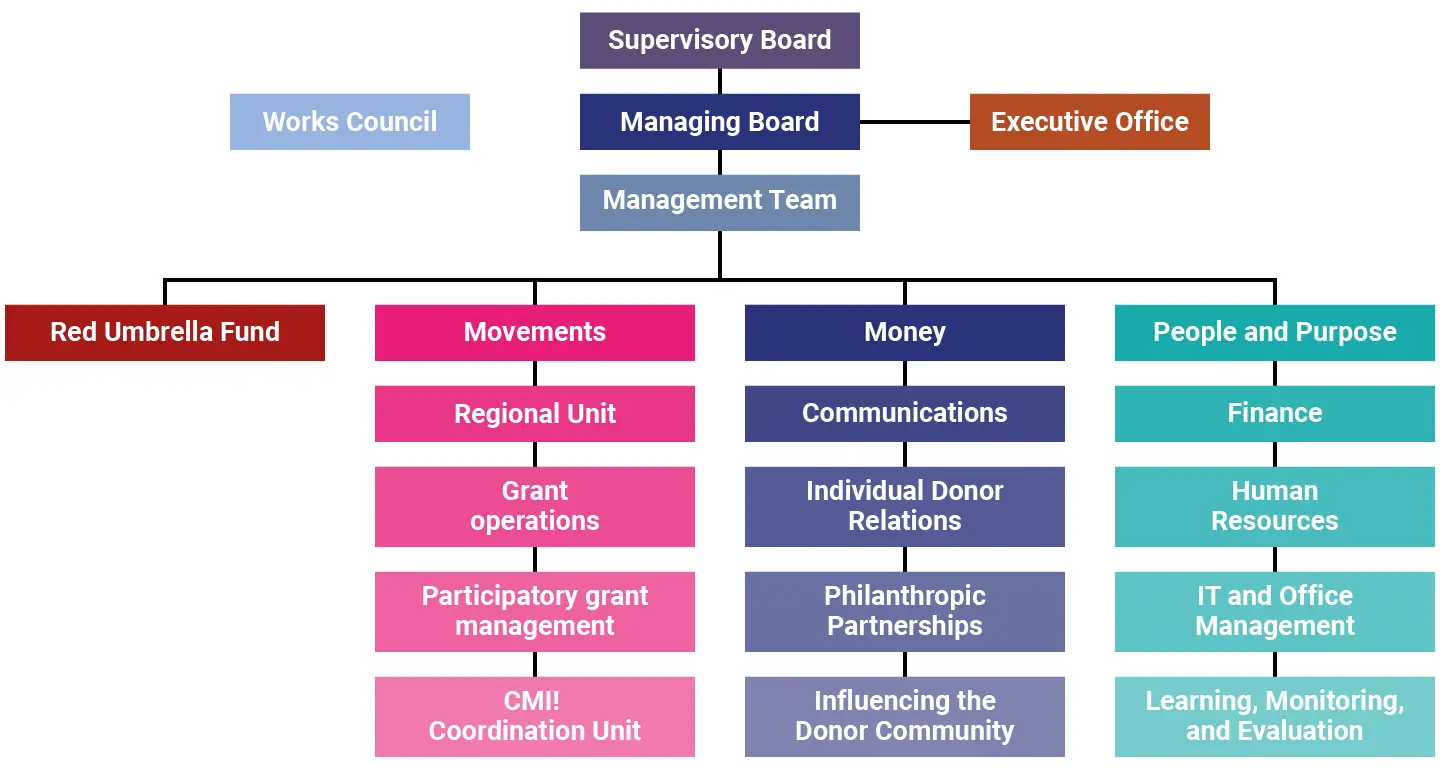

The Amsterdam office
In 2025, the Amsterdam office saw a gradual increase in meaningful on-site use compared to previous years. Following the completion of the roof renovation in May 2025, the office became fully operational again, allowing staff and partners to make more consistent use of the space. While hybrid working is still the norm, the office increasingly functioned as a hub for collaboration rather than daily desk use.
Throughout the year, the office was used on several occasions to host internal meetings, workshops, and small events that were previously held externally or online, such as the Supervisory Board meetings and the RUF Program Advisory Committee meeting. In addition, the space was made available to external users, strengthening collaboration and making more efficient use of the facilities. These activities contributed to a renewed sense of purpose for the office and proved its value as a shared meeting and collaboration space.
In line with this changing usage pattern, and following the decision taken at the end of 2024, the organisation downsized its office footprint in 2025. This resulted in a more flexible and cost-efficient setup that better aligns with current working practices while keeping the ability to host key meetings and gatherings in our own office.
Human resources
Mama Cash adheres to the Dutch Collective Labour Agreement for Social Work (CAO Sociaal Werk), which provides a framework within which we can develop tailored policies and processes to foster an inclusive and supportive work environment. In accordance with this agreement, a general salary increase of 3.5% was implemented effective 1 October 2025.
In 2025, we continued to strengthen our HR foundations to support organisational resilience and alignment with our strategic objectives. Following changes within the HR team in early 2025, continuity was ensured through the appointment of an Interim Senior HR Officer. During this period, existing HR policies were reviewed and updated, and several new policies were developed. In October 2025, the role was transitioned to a permanent Senior HR Officer. Together with the Interim Deputy Director of People, Finance, and Operations and the HR Assistant, this forms a strong and well-functioning HR team.
Workforce planning
In parallel with the restructuring, Mama Cash initiated the strengthening of its workforce planning framework to better align capacity, capabilities, and cost structures with its strategic and financial outlook. During 2025, the focus was on the design phase, in close collaboration with management, aimed at developing a clear and realistic picture of future workforce possibilities and constraints.
This first effort towards effective workforce planning was done by the Management Team and concentrated on identifying critical roles, safeguarding essential knowledge and functions, and exploring sustainable staffing scenarios. This included scenario-based analysis, role prioritisation, and closer alignment between strategic planning, budgeting, and HR decision-making. Further development and operationalisation of this workforce planning framework will continue in 2026, with an increased focus on embedding it across the organisation and supporting more proactive, data-informed, and resilient people planning going forward.
Justice, Equity, Diversity, and Inclusion
Building on the critical diversity and anti-oppression review conducted in 2023/2024, 2025 focused on translating recommendations into policies and practices. The priority was embedding equity, accessibility, accountability, and power awareness into core HR policies.
Policies and processes reviewed in 2025:
- Training Policy
- Recruitment Policy
- Onboarding Policy
- Code of Conduct
- Work-Related Travel Policy
- Performance Development Cycle
The review concentrated on analysis, redesign, and consultation. While substantial progress was achieved, due to organisational changes, leadership transitions, and governance sequencing requirements, the finalisation of these policies will take place in 2026.
Employer of record – Atlas
Driven by Mama Cash’s steadfast commitment to uphold the principle of equal pay for equal work, coupled with compliance with local regulations and benefits, in 2024 we fully transitioned to a global payroller, Atlas, as an Employer of Record (EOR) for remote staff.
Introduced in 2024, the remote staff policy enabled us to build on and further deepen our commitment to being a good employer to all staff. This policy serves as a cornerstone document, describing benefits available to remote staff, in addition to statutory provisions and those stipulated in their Atlas contracts.
In 2025, Mama Cash continued to work closely with Atlas as we further embedded the EOR model into our organisational practices. Throughout the year, we reviewed a significant number of individual cases and coordinated with Atlas’s local experts to ensure that employment arrangements remained compliant, context-appropriate, and aligned with our organisational values.
Complaints
Mama Cash aims to be a reliable and transparent organisation and ally, maintaining high-quality relationships with and support to donors, partners, grantee-partners, suppliers, and other stakeholders. Complaints are handled according to our complaints procedure.
Over the course of 2025, there were no reported violations of the code of conduct. In addition to receiving complaints through HR, the Works Council or the Management Team, Mama Cash has two other mechanisms for receiving complaints. One of these mechanisms is Speak Up, an online whistleblowing service (externe link) that is accessible to staff, grantee-partners, and stakeholders. In 2025, no reports were received through this service for our organisation.
In addition, the organisation provides employees with access to an external confidential counsellor through the social services institution GIMD. Employees may approach this counsellor to raise concerns related to internal staff relations or other work-related matters.
In 2025, the confidential counsellor received one report. In line with GIMD’s professional confidentiality standards and disclosure criteria, and as the case did not meet the conditions for disclosure to the employer, no further information regarding the nature or content of the report was shared with the organisation.
Employee well-being
The overall sick leave percentage further decreased from 11.3% in 2023 to 5.4% in 2024 to 2.6% in 2025. This is a significant decrease, which brings us back below the percentage of 2022. In 2025, we continued to work with OpenUp. OpenUp is an online platform that offers support in strengthening (mental) well-being. They work with certified psychologists and lifestyle experts and offer goal-oriented one-on-one support, group sessions, and self-guided care.
Our employees and their loved ones can make use of the platform when they need support in an anonymous way. During 2025, usage of OpenUp showed a strong start followed by a gradual decline in engagement. In total, 36 employees were active at least once, and 44 accounts were created (on average we had 33.5 users in 2024). Engagement peaked in the first quarter, primarily driven by 1:1 coaching sessions. Despite lower activity in the second half of the year, user satisfaction remained exceptionally high.
By offering this support to our employees, we aim to contribute to an open work environment in which (mental) health and well-being can be openly discussed, and for which support is easily and directly available.
Pensions
Since January 2010, Mama Cash has had two types of pension contracts. One is a defined contribution contract for new personnel, which allows for sustainable investments, flexible employee contribution levels, and a reduced risk for Mama Cash on incoming ‘value transfers.’ The other is a defined benefit contract that extended the pension contract already in effect since 2010.
In 2025, we continued our collaboration with Zwitserleven. Furthermore, we kept our engagement with a pension advisor who will support us in 2026 during the implementation of the new Pension Act (Wet toekomst pensioenen). This cooperation provides a solid foundation for a smooth transition and ensures that our pension arrangement stays robust, transparent, and future‑proof for our employees.
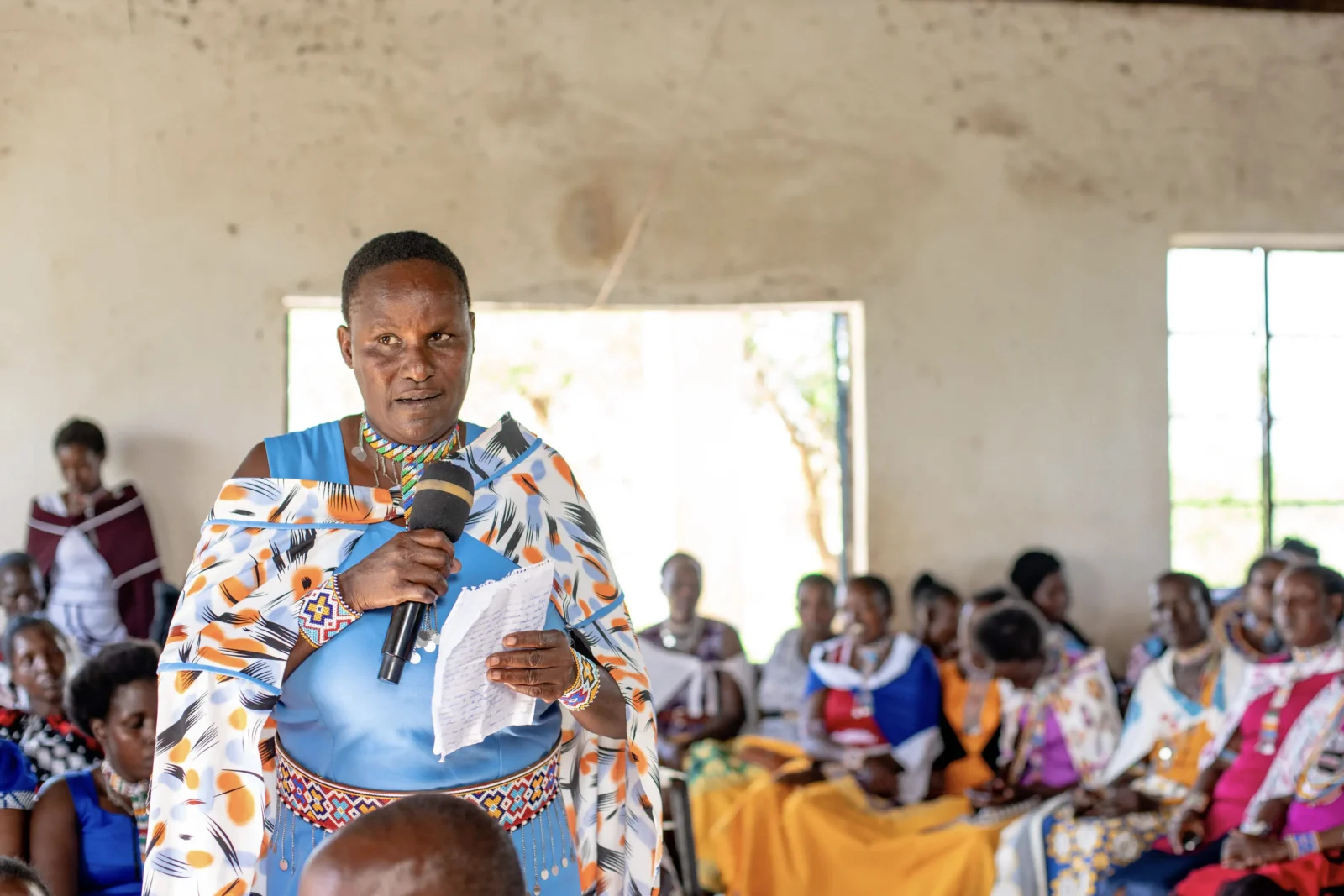

Works Council
Mama Cash has a Works Council (Ondernemingsraad) consisting of staff representatives. The Works Council addresses human resources policies and procedures in regular meetings with the Co-Executive Directors (Co-EDs) and HR. The Works Council consisted of six staff members in 2025.
Throughout 2025, the Works Council played an active role in the organisation’s governance by engaging in discussions on human resources policies and organisational developments. The Works Council prioritised creating spaces to connect with staff through quarterly Open Spaces. The Works Council saw an increased participation, and the sessions became meaningful opportunities for engagement, learning, and collective debriefing.
In addition, the Works Council held quarterly check-in calls with the Co-EDs. These conversations allowed them to share a pulse of the organisation and provide updates on the new Works Councils structure, ways of working, organisational check-in insights, scenario planning reflections, and their involvement in HR policies. The Works Council also continued with the monthly HR/OR check-in spaces to strengthen collaboration and alignment.
During 2025, Mama Cash went through a restructuring process with an impact on parts of the workforce. In this context, the Works Council received a Request for Advice (RFA) from the Management Team, which it worked on from July to September.
Despite the organisational changes, the collaboration between the Works Council and the Co-EDs remained constructive and focused on safeguarding employee interests, reinforcing trust, and supporting responsible decision-making during a period of transition. Additionally, the Works Council had a meeting with the staff liaisons of the Supervisory Board during this process.
Management Team
The management of Mama Cash was led by the Co-EDs in collaboration with the three department directors. A notable change in the Management Team was the departure of Saranel Benjamin from her role as Co-Executive Director of Mama Cash in September 2025. Over the past two and a half years, Saranel Benjamin has played a significant role in guiding and strengthening Mama Cash. With her steady and thoughtful leadership, she helped steer the organisation through a complex and rapidly changing global landscape. Her care, dedication, and commitment have made a lasting contribution to Mama Cash’s resilience and impact.
With her exit, the Supervisory Board created a Transition Team integrated by members of the Supervisory Board, the Management Team and the Works Council, who commissioned an externally-led evaluation of the Co-ED model after having a Co-ED structure for three years. From the findings, in April 2026 the Supervisory Board decided to follow the Transition Team’s recommendation to embrace a single ED structure, while remaining committed to the feminist principles of shared leadership at every level of our organisation, not just at the Executive Director level.
During the maternity and parental leave of Baya Jansen-Sharkaeva, from March to October 2025, Esther Lever (Deputy Director of the Money Team) assumed the role of Interim Director of Partnerships and Communications. In this capacity, she provided leadership to the Money Team and kept strategic oversight of the sub-teams Influencing the Donor Community and Communications. Oversight of the Individual and Institutional Donor fundraising sub-teams was held by Happy Mwende Kinyili.
We are deeply grateful for Esther’s strong leadership and commitment during this period. She started the role at a time of organisational restructuring and navigated this challenging context with clarity, steadiness, and care. Her contributions were instrumental in ensuring continuity and stability across the Partnerships and Communications portfolio.
As of 31 December 2025, the members of the Management Team were:
- Happy Mwende Kinyili – Co-Executive Director
- Baya Jansen-Sharkaeva – Director of Partnerships and Communications
- Coco Jervis – Director of Programmes
- Harriët Sterenborg – Director of People, Finance and Operations
Global Advisory Network
The Global Advisory Network is at the centre of our grantmaking work. Its members play a critical role – from sharing their expertise, experience, and connections in geographies and thematics to inform and guide our funding decisions, to providing us with strategic input in the design and development of our strategic plans. Global Advisory Network members serve on the various committees of Mama Cash’s participatory grantmaking funds and make decisions about our funding.
In 2025, we continued the work we started in 2024 of deepening relationships with our current Advisory Network. For the first time, we held online meetings for all advisors from each region (four meetings in total), which was an opportunity for advisors to meet one another and the Mama Cash staff responsible for overseeing the work in their regions. Advisors and staff discussed grantmaking trends and organisational changes at Mama Cash and reflected on the funding context for feminist organising in different regions, such as the impact of climate change, rising political tension in some countries and the impact of cuts in funding to human rights.
In 2025, the Global Advisory Network (GAN) comprised 62 members, including those serving on the Resilience Fund participatory grant-making committee (COM COM) and the Spark Netherlands-based participatory grant-making committee. Members are eligible to receive a yearly stipend ranging from €200 to €2,500, depending on the scope and level of their engagement. Of the 62 members, 44 served as advisors and were geographically distributed as follows: 12 based in Africa and West Asia; 8 in East, South, and Southeast Asia and Oceania; 14 in Europe and Central and North Asia; 8 in the Americas and the Caribbean; and 2 serving in multi-regional roles.
Internal audits and quality management
Mama Cash keeps a robust Quality Management System certified under ISO 9001:2015 and ISO Partos 9001:2015 (version 2018), including integrity management.
Internal audits Mama Cash
In March 2025, Mama Cash finished its first internal audits of organisational processes. Based on staff interviews and a review of key documentation, the internal auditor concluded that the audited processes are generally carried out effectively and in compliance with both internal policies and external requirements.
The internal auditor identified four nonconformances requiring follow-up. These related to: the absence of explicitly defined competencies for the roles of Quality Manager and Internal Auditor; the lack of a clear and structured process for evaluating critical suppliers; the need to strengthen the Management Review process; and the requirement to better track, monitor, and follow up on actions arising from quality management mechanisms.
In response to these findings, Mama Cash has taken concrete steps to strengthen its quality management framework. Among other measures, we introduced a Corrective Actions Register (CAR) to ensure that remediation actions are tracked through to closure, and we revised both the format and content of the Management Review to enhance oversight and accountability. The critical supplier evaluation is planned for 2026, as well as the revision of the two job descriptions.
Internal audit of grantee-partners (Limited Assurance Procedures)
Mama Cash’s grantee-partner internal audit process was introduced in 2022 and became an integral part of our assurance framework in 2025. We conduct limited assurance procedures through two modalities: our external commissioned audits performed by qualified, independent auditors, and our online verification audits performed by Mama Cash staff.
The audit process continued to serve as a constructive and collaborative learning space for both grantee‑partners and Mama Cash. Partners reported that the approach encouraged transparency, nurtured mutual trust, and supported tangible improvements in their finance and governance practices.
Audit planning and follow‑up actions became increasingly guided by a clear, risk‑based methodology. Findings and insights from the audits contributed to ongoing improvements for grantee-partners’ internal processes and systems.
External compliance standards
Mama Cash strengthened its quality, governance, and compliance frameworks, including the renewal of its CBF certification and alignment with ISO standards.
In June 2025, Mama Cash successfully completed the renewal of its Certificate for Charitable Organisations (de CBF‑Erkenning). As part of the renewal process, four follow-up actions were identified. These related to: formalising all required governance topics within a single policy document; introducing a cash‑flow forecast from 2026 onwards; establishing an integrity policy that incorporates additional required topics; and publishing this information on our website, including clear guidance for donors on how to change or discontinue their donations.
The first and fourth actions have since been completed. Mama Cash will implement a cash‑flow forecast and update the integrity policy in 2026.
In November 2025, Mama Cash was granted the renewal of the ISO Partos Certification, without non-conformities reaffirming our commitment to quality, integrity, and continuous improvement.
Trustworthiness as the foundation for impact
How do you ensure that your organisation not only has a strong mission, but can also deliver on it in a sustainable and credible way? Mama Cash spoke with Harriët Sterenborg, Director of People, Finance & Operations, about how transparency and diligence contribute to trust and greater impact.
Can you briefly introduce yourself and your role?
‘My name is Harriët Sterenborg and since April 2024 I have been working as Director of People, Finance & Operations at Mama Cash. I enjoy living in Amsterdam, with my 11-year-old son.
In my role, I contribute to Mama Cash’s mission and strategy by strengthening the organisation. I work on creating a safe and supportive working environment, financial stability and transparency, and on improving the processes and systems that support our work.
My colleagues and I ensure that Mama Cash remains professional and future-proof. After all, our mission can only succeed if the organisation itself is healthy, transparent, and well organised.’
You also work with certifications. What do these involve and why are they important?
‘Certifications such as those from the CBF and ISO independently demonstrate that we work in a professional, careful, and transparent way. The Dutch Charity Regulator (CBF) is an independent regulator for charities in the Netherlands. Every year, it reviews whether we handle donations responsibly and spend our funds in a trustworthy manner. Mama Cash has held this accreditation since 1998.
The reassessment in 2025 was particularly special for me, because until early 2024 I worked at the CBF myself. It was interesting to experience the process from the other side this time. The assessment confirmed that we meet high quality standards and also provided us with concrete recommendations for improvement. Certifications therefore not only help us to be accountable, but also to keep learning and to continue strengthening our organisation.’
What does ISO certification entail?
‘ISO is an international organisation that sets standards for quality, safety, and efficiency. For those interested in the details: Mama Cash is ISO 9001:2015 certified, supplemented with sector-specific guidelines from Partos 9001:2015 (2018 version). This supplement was specifically developed for organisations in the development sector to safeguard quality.
During an ISO audit, there is a thorough review of how you operate. Most of our teams were involved in the audit in 2025, and they were asked how they organise and carry out their work. At the end of the audit, we were informed that there were no non-conformities with the standard. That was clear confirmation of our careful way of working. The certification shows that our work is not only well intentioned, but also demonstrably well organised.’
Why does Mama Cash attach such importance to external certification and assessment?
‘Independent reviews provide an objective picture of how we work. It gives donors, partners, and staff confidence that we operate carefully and in line with recognised quality standards.
For example, the CBF recognition sets requirements for how we handle donations, communication, and accountability. We keep our information and website up to date and transparent, and in our annual report we explain how we spend funds and the impact we achieve.
Our ISO certifications help us to organise our internal processes properly and securely, for example in relation to quality management and information security.
These certifications are not an end in themselves. They help us to remain transparent, act with integrity, and increase our impact. In this way, we ensure every day that we handle the funds entrusted to us with care and that people can continue to place their trust in Mama Cash.’
Environmental Sustainability Principles
Mama Cash is dedicated to fostering an organisational culture that prioritises sustainable practices. Since the adoption of our Environmental Sustainability Principles in 2015, we have been committed to the following actions:
- Reducing energy consumption: We actively work to lower our carbon footprint and improve energy efficiency.[3]
- Reducing, recycling, and reusing products: We promote a circular approach to waste management to ensure responsible resource use.[4]
- Evaluating supplier: Our selection criteria for suppliers includes rigorous Corporate Social Responsibility (CSR) standards, specifically: respect for labour rights; environmental impact and animal welfare; and economic participation of women, trans and intersex people,[5] ensuring fair treatment and decent conditions for all workers.
For 2026, we will update and implement our Sustainability Policy.
[3] Relates to the following SDGs: SDG 15: Life on Land; SDG 8: Decent Work and Economic Growth, and SDG 5: Gender Equality and SDG 10: Reduced Inequalities.
[4] Relates to SDG 7 (Affordable and Clean Energy) and SDG 13 (Climate Action).
[5] Relates to SDG 12 (Responsible Consumption and Production).
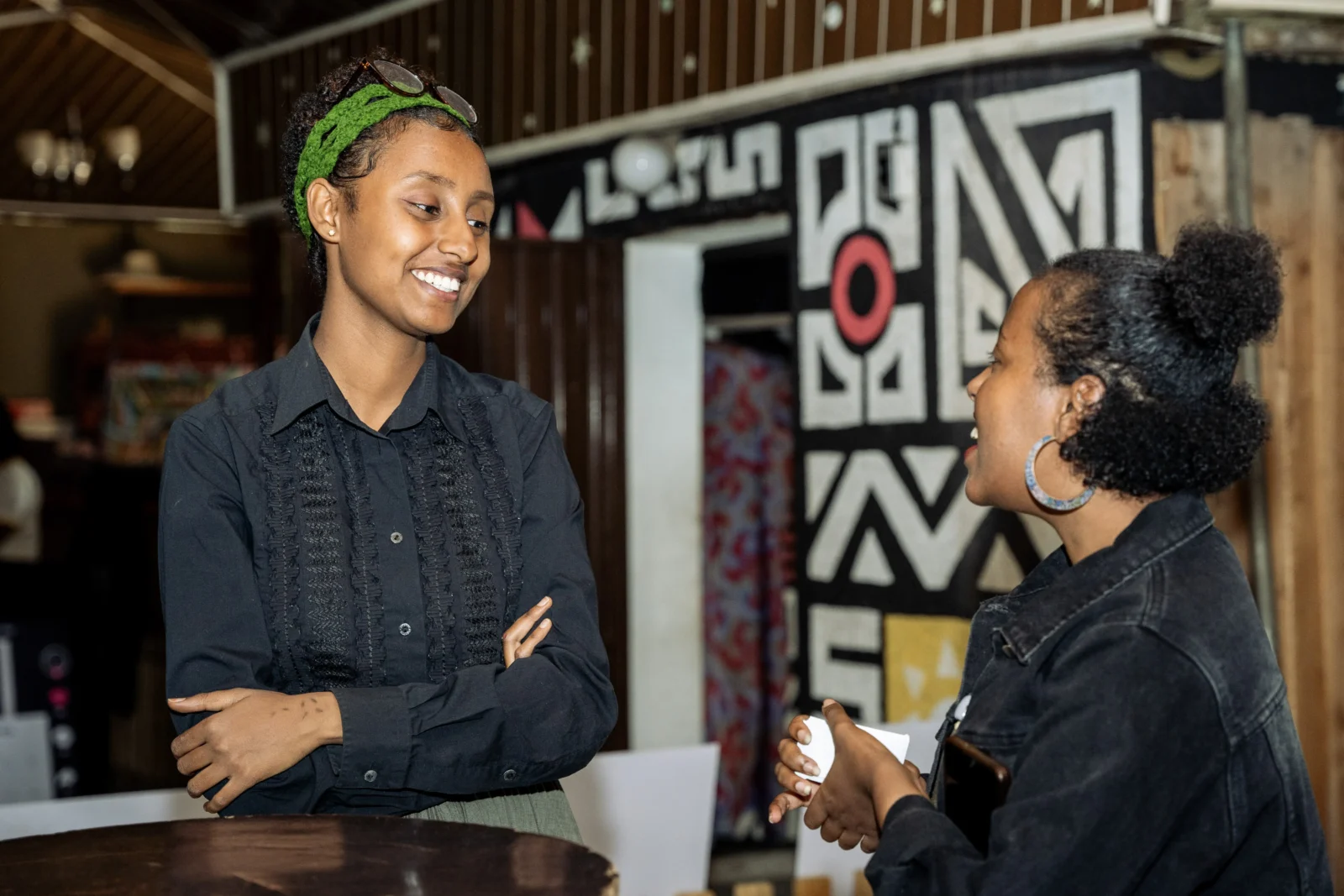

Risk management
Mama Cash must deal with risks that could adversely affect our work and achievements. We have a zero-tolerance policy against fraud, corruption, and violation of human rights. This approach is elaborated in our code of conduct, which all Supervisory Board members, Managing Board members, Advisors and staff commit to upon joining the organisation.
Mama Cash’s risk management system brings together the Management Team, staff, and Supervisory Board to identify and assess risks, implement mitigation, and evaluate the risks that remain. The organisation regularly reviews strategic, financial, compliance, reputational, and operational risks, focusing on mitigating or minimising them to acceptable levels.
Every quarter, the risk landscape is reviewed and, whenever relevant changes arise, Mama Cash’s Risk Register is updated by the Management Team and reviewed by our Supervisory Board’s Audit and Risk Committee. Once a year, it is shared with the full Supervisory Board. From 2026 onwards, the Risk Register will be shared twice a year with the full Supervisory Board. This will give Mama Cash the confidence to navigate during uncertainty and keep the control of our mission and staying accountable.
Within this broader risk management framework, the continuation reserve plays a key role. This reserve, which covers potential risks, will be set at an appropriate level based on a structured risk analysis that is effective from the 2026 financial year. In addition to the continuation reserve, we define and implement measures to manage and mitigate the identified risks.
In 2025, Mama Cash updated its risk register in preparation for the 2026 financial year, ensuring alignment with applicable standards and further strengthening its risk management and compliance framework. To support the financial calculation of the continuation reserve, additional assessment criteria were introduced in the risk register, including a rating of the likelihood of each risk occurring and a quantification of its potential impact on the organisation.
For each identified risk, we estimated the associated financial consequences, focusing on the direct costs to the organisation should the risk materialise, rather than the costs of mitigating the risk. The combination of probability and impact results in a risk rating, which determines the percentage of the estimated financial exposure to be allocated to the continuation reserve. Based on this method, Mama Cash estimates that an amount of €6,309,000 is needed in the continuation reserve by 2026 to cover for risks. Please see our annual accounts for more information about the continuity reserve.
Strategic risk
Strategic risks for Mama Cash include threats to its relevance as a feminist funder, the quality of its grantmaking, and the stability of its strategic partnerships. In 2025, these risks intensified due to shifts in the funding landscape and impending government budget cuts from 2026. To remain resilient, Mama Cash restructured, reducing its workforce by 11% as of January 2026.
The 2025 Risk Register identified three core strategic risks: (1) the participatory grantmaking model may not be perceived as effective; (2) partner organisations may face challenges meeting increasing donor requirements; and (3) strategic partnerships may be threatened by shrinking civic space or internal crises.
To address these risks, Mama Cash proactively communicates the impact of its approach, supports partners with flexible funding and proportionate compliance, and strengthens strategic partnerships through security support, clear governance, and regular relationship reviews.
Financial risk
We understand financial risk to include risks associated with dependency on a single donor, reduced income from (government) donors, insufficient internal infrastructure to fundraise and steward individual donors, and financial management.
The organisation pursues a prudent financial investment policy aimed at safeguarding capital, continuity and liquidity. The use of financial instruments is limited to operational instruments such as cash and cash equivalents, shares, and bonds. The organisation does not use complex financial instruments or derivatives and does not engage in speculative financial activities.
Financial risks principally relate to credit, liquidity, and cash flow risks. Credit risk is limited due to a diversified donor base and active monitoring of receivables. Liquidity and cash flow risks are managed through quarterly financial closes, and budget reforecasting. The organisation does not apply hedging strategies using financial instruments; as a result, no material risks arise from the use of financial instruments themselves. Further disclosures on financial instruments are included in the notes to the consolidated annual financial statements.
To mitigate any risks, we give continued attention to diversifying our donors and to increasing our overall organisational income. We implemented a new donor management system, Raiser’s Edge, to help our fundraisers manage and engage with donors more effectively. We brought in external support to help us secure and align our financial administration. Finally, we continue to strengthen our project management and governance, ensuring timely quarterly closes and true to cost budget reforecasting.
Compliance risk
Mama Cash is committed to upholding high standards of compliance to mitigate risks such as internal fraud and financial irregularities, which pose a high risk of direct asset loss and the potential repayment of donor funds; Sexual Exploitation, Abuse, and Harassment (SEAH) and integrity breaches, which could lead to a critical loss of institutional funding; and non-compliance with GDPR or local labour laws for remote staff, which risks substantial regulatory fines and legal penalties.
To mitigate these risks concretely, Mama Cash has a group of control measures. We have institutionalised a Corrective Action Register (CAR) to track and resolve any lapses in areas such as in the segregation of duties within our financial administration, audit findings and/or follow-ups, and integrity issues. Regarding grantee-partners, Mama Cash continues to deploy stringent due diligence processes and undertakes externally commissioned audits and online verifications to strengthen the internal controls and administrative organisations of grantee-partners.
We are subject to external assessments by independent parties such as the CBF and ISO certification bodies to strengthen our internal control and governance framework. In 2025, Mama Cash created a dedicated Risk & Compliance Officer position and successfully recruited a professional for this role, enabling further strengthening of our compliance, risk management, and internal control environment.
Reputational risk
Risks related to perceptions of Mama Cash by the feminist movements and by the donors, as well as potential misconduct by staff or Supervisory Board (SB) members, remained the key focus areas. To mitigate these, Mama Cash keeps a robust code of conduct and integrity stipulations, which are currently undergoing an internal review. We perform regular due diligence of donor relationships, involving the Supervisory Board for significant funding to manage potential public backlash. We continuously strengthen our Human Rights policies to meet stakeholder demands and maintain our standards as a feminist employer.
In 2025, we focused on specific risks such as movements perceiving Mama Cash as being ‘North-based’ and staff and stakeholders not perceiving Mama Cash as a feminist employer. To mitigate this, we stay well connected with the movements we work with and collect critical feedback from the Supervisory Board, the Global Advisory Network, and the Grantee and Applicant Perception Survey conducted by the Center for Effective Philanthropy, among other channels. We continue to implement participatory grantmaking that ensures decisions about grants are made by feminist movements. Additionally, we strengthen our HR procedures and culture to ensure that we meet the complexity and demands of being a feminist employer.
Operational risk
We understand operational risks to include unidentified gaps in our internal finance procedures and systems, delays in system implementation, various databases not sufficiently reconciled, inability to recruit and keep sufficiently qualified staff, and staff turnover within crucial positions.
To address these risks, Mama Cash prioritises the consolidation of our finance manual, including procedures for entering and leaving employment; visible segregation of duties in preparation and approval of payments; and timely financial reporting that is overseen by both the Managing Board and the Supervisory Board. We prioritise robust project management; reconciling financial administration systems as part of the quarterly closes; providing ongoing staff training on code of conduct, and finance administration.
To mitigate these operational risks, we modernised our financial procedures in 2025. Key improvements included a revamped income reconciliation process and the preparation of ‘Exact Online’ for a 2026 launch, which will automate several previously manual tasks. Additionally, we have implemented new onboarding and offboarding procedures and a Donor Requirements Tracker to ensure rigorous compliance with grant conditions.
Risk appetite
Mama Cash has a high appetite for risk when it comes to supporting groups working on sensitive issues or in repressive contexts. While there may be no guarantee of short-term success, we are committed to supporting these groups because they make crucial contributions, usually manifested in the long term, to shifting social norms and narratives, as well as laws and policies, that advance women’s, girls’, and trans and intersex people’s rights. These groups also support and protect people in situations where human rights and social justice issues are particularly under-addressed and contested.
With respect to making financial commitments, Mama Cash takes a conservative approach with a very low risk profile. All financial commitments to grantee-partners are backed by secured funding, while approximately 84% of the operational budget is covered by secured funding (90% in 2024).
Mama Cash follows all applicable laws and regulations governing Dutch fundraising organisations. Since 1998, Mama Cash has held the Recognition of the Dutch Fundraising Regulator (CBF), showing adherence to recognised standards of transparency, accountability, and good governance.
As a member of Partos, the Dutch association for organisations working in international development, Mama Cash follows the Partos Code of Conduct. Mama Cash is also a member of the Dutch Charities Association (Goede Doelen Nederland) and implements all relevant European Union regulations applicable to its activities and operations.
Mama Cash is audited annually by Dubois & Co, our independent financial auditor. They conduct annual audits according to international accountancy standards, check Mama Cash’s administrative procedures, and assess our internal control systems. The auditor reports back to the Managing Board and Supervisory Board through the Audit report and an Interim Audit Report. The auditors, the Managing Board, and members of the Supervisory Board’s Audit and Risk Committee discuss the audit findings and report annually.
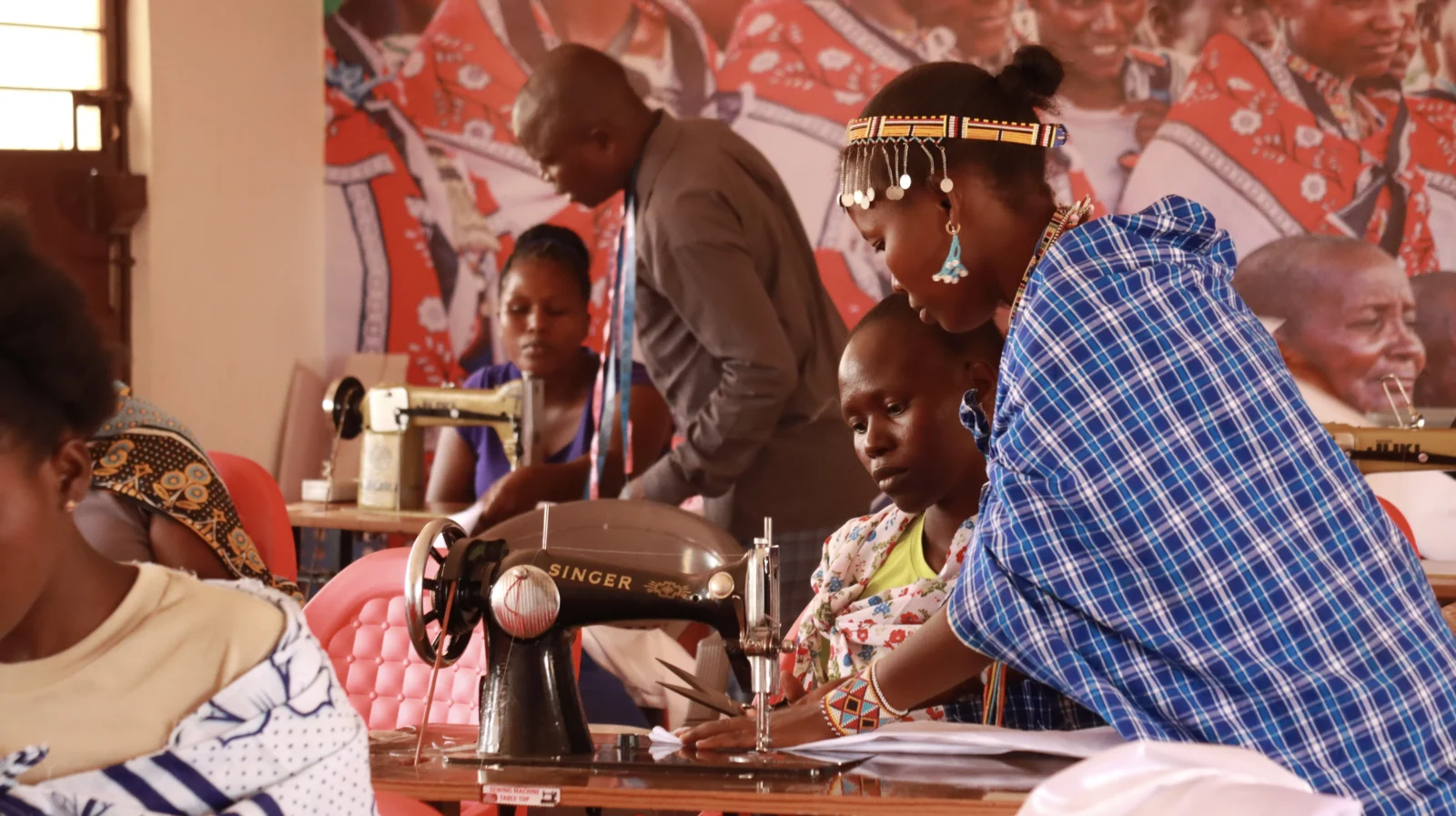

Managing Board report
Accountability statement
This accountability statement from the Managing Board of Mama Cash highlights the main issues relating to governance, and financial and risk management insofar as they affect the achievement of the objectives of Mama Cash.
Distinction between supervisory, managerial, and executive functions
Since November 2018, Mama Cash has had a two-tier board model comprising a Managing Board and an internal Supervisory Board. All powers and responsibilities of Mama Cash are vested in the Managing Board. The Managing Board consisted of two Co-Executive Directors until September 2025 and one Co-Executive Director from September onwards. As described in the Management Team section, an external led evaluation of the Co-ED model has been conducted, after having a Co-ED structure for three years. It was decided in April 2026 to embrace a single ED structure. Mama Cash stays committed to feminist principles of shared leadership at every level of our organisation, not just at the Executive Director level.
Ideally the Managing Board consists of one Netherlands-based (Dutch proficient) and one international representative. The Supervisory Board oversees the Managing Board. The Supervisory Board reports separately on its activities.
Mama Cash’s principles of governance are set out in the following documents: Articles of Association, Supervisory Board Rules, and the Managing Board Rules. The Articles of Association specify, among other things, which decisions of the Managing Board require the Supervisory Board’s prior approval (such as adoption of the annual accounts, annual plan, and budget; dissolution of the organisation; or amendment of the Articles of Association). The Supervisory Board Rules were last amended in May 2025.
Both Co‑EDs operate under the same job description. Following the departure of one of the Co‑EDs, all executive powers and responsibilities are therefore fully vested in the position of the remaining Co-ED.
For day-to-day management, the Co-EDs work with three Team Directors in a Management Team. Decision-making in the Management Team is based on consensus. Certain decisions always require approval of the Co-EDs. This decision-making model is set out in the Managing Board Rules.
The Supervisory Board reflects the diverse and international character of Mama Cash and our stakeholders. Supervisory Board members are recruited based on their competencies and expertise, such as knowledge of grantmaking, programming, communications, fundraising and/or finance, as well as relevant thematic issues and a commitment to upholding feminist values. At least one of the Supervisory Board members appointed to the Audit and Risk Committee must have expertise in Dutch accountancy regulations. The Supervisory Board follows a nomination protocol for recruiting, selecting, and appointing new members.
In November 2024, the Supervisory Board Rules were amended regarding the frequency and timing of their self-evaluations; shifting from an externally led self-evaluation every 18 months to an annual self-assessment led every second year by an external facilitator. The last externally led evaluation was conducted in 2023. In 2025, the Supervisory Board completed an internal self-assessment, and the outcomes were discussed at the Supervisory Board meeting in October 2025. The next externally facilitated self-assessment, is planned for the last quarter of 2026.


Optimisation of the effectiveness and efficiency of expenditure
Mama Cash’s use of funds is guided by multiyear strategic plans and budgets. The 2021-2030 strategic guide, ‘In Movement Together’, was approved by the Supervisory Board in October 2020. Mama Cash produces annual plans that include activities, intended results, responsibilities, resources, and timelines. The Supervisory Board approves the organisation’s annual plans and is informed on progress via semi-annual meetings. The Management Team, led by the Co-EDs, discusses quarterly progress after which quarterly reports are discussed with the Audit and Risk Committee of the Supervisory Board.
Since 2021, Mama Cash’s grantmaking process has been fully participatory. The criteria and procedures are explained on the Mama Cash website in Dutch, English, French, Russian, and Spanish. For the Resilience Fund, our largest fund and the source of most of our grantmaking, potential grantee-partner organisations submit a short Letter of Interest (LOI) and provide Mama Cash with input and guidance on which issues it should prioritise in its decision-making when selecting new Resilience Fund grantee-partners. Then Mama Cash staff screen the applications based on our criteria and priorities, as well as the guidance provided by potential grantee-partners, and create a longlist of eligible applications. This longlist is handed over to the COM COM, which is the decision-making body of the Resilience Fund, Mama Cash’s main grantmaking fund. Over two rounds of decision-making, the COM COM makes the final selection of which groups will receive funding.
The Resilience Fund is our only fund that provides long-term, flexible core support designed to resource the priorities of feminist movements. It is therefore essential that funding decisions are made by activists from the movements we support, ensuring that our grantmaking reflects their real needs and priorities.
Monitoring of grants takes place via narrative and financial reports, as well as through direct contact (through various online communication channels, by telephone, or in person). A priority is placed on learning to support the organisational development of grantee-partners. Mama Cash reports on progress toward programmatic outcomes to institutional donors and other stakeholders and conducts periodic evaluations on the effectiveness and impact.
Communication with stakeholders
Through our communications, we are accountable to our stakeholders. We encourage donors and policymakers to become allies of women’s and feminist movements, facilitate learning, and increase donor giving and loyalty. In addition, Mama Cash engages with internal stakeholders through structured processes. As such, we look to ensure transparency, employee participation, and compliance with labour and privacy legislation. Mama Cash follows Dutch privacy legislation, including the EU’s General Data Protection Regulation (GDPR). Our complaints procedure outlines how concerns and complaints are handled and is publicly available on our website.
In 2025, Mama Cash was recertified under its ISO quality management framework, confirming continued alignment with internationally recognised quality standards. In the same year, Mama Cash was also recertified by the Dutch Charity Regulator (CBF). We also hold the ANBI status (Public Benefit Organisation status), a designation granted by the Dutch Tax and Customs Administration (Belastingdienst). Together, these certifications reflect our ongoing commitment to transparency, accountability, and organisational quality.
This table provides a summary of Mama Cash’s key stakeholders and how we interact with them .
| Stakeholders | How we interact |
|---|---|
| Grantee-partners | Written agreements (work plans, budgets, and contracts), regular individual communication, convenings, the website, social media, and events aimed at feminist movements. |
| Individual donors | Meetings, calls, in-person events, online events, reports, newsletters, fundraising campaigns, the website, and social media. |
| Foundations, governments, and lotteries | Contracts for financial collaborations, meetings, reports, evaluations, tailored pitch documents, personalised emails and segmented mailings, events, the website, publications, webinars, and (social) media. In our communications with these stakeholders, we also include accountability on organisational governance, safeguarding policies, labour standards, and responsible employer practices. |
| Activist networks | Meetings, convenings, social media, news updates on website, and events. |
| Advisors | Regular check-in and onboarding calls, group calls, self-assessment surveys, end-of-year letters, individual communication, grant decision-making meetings, and convenings, coordinated by the Movements team in alignment with organisational governance. Where relevant, HR provides support on governance and integrity-related onboarding, such as the Code of Conduct and conflict of interest frameworks. |
| Employees | Development of strategic plans, annual plans, team plans and individual work plans, and associated budgets, regular staff and team meetings, bilateral conversations between supervisor and employee, and evaluations. This includes HR-led processes such as onboarding and offboarding, performance, and development conversations, learning and development initiatives, well-being and vitality programmes, employee surveys, works council consultations, and support during organisational change processes. |
| General public | Website, social media, online digital campaigns, PR and media, publications. |
Financial management
General
Financially, 2025 has been a successful year for Mama Cash. We raised and recognised €23.9 million of donor income amounting to 111% of budgeted income. Donor income recognised (€23.9 million) is significantly higher than budgeted (€21.5 million) mainly due to higher income from individuals (+€1 million) and higher income from foundations (+€1 million) compared to budget.
In 2025, we succeeded in raising income from both existing and new donors. In parallel, we consciously focused on continuing and finetuning our prospecting efforts to nourish and activate new donor ecosystems and networks. From an expenditure perspective, we spent more than budgeted (+€2 million) but not more than earned. Our overall net result equals €0.3 million which is €0.4 million higher than budgeted mainly due to the additional income mentioned above and favourable market returns on our investment portfolio.
Income
Total income recognised amounted to €23.9 million which represents a decrease of 4% (or €1 million) compared to 2024. The main contributor to overall lower income in 2025 is income from governments which is significantly lower than in 2024 (-€3.6 million) mainly caused by lower income on GAGGA- and CMI!-related donor contracts which are coming to an end this year. Income from individuals increased by €1.5 million (mainly due to increased legacy and inheritance income in 2025) and income from foundations also saw an increase (+€0.6 million) in 2025. Lastly, lottery income increased by €0.2 million compared to 2024. The significant outperformance of the budgeted income (+11% or €2.5 million) is predominantly driven by higher income from legacies and inheritances (+€1 million) as well as higher income from foundations than budgeted (+€1 million) mainly due to a conservative approach taken on contracts not yet signed at budgeting stage that were signed later in the year.
Income from lotteries outperformed its 2025 budget target by 13% (€0.2 million) mainly due to higher than budgeted project income on the newly signed Postcode Lottery project grant; Overall income from lotteries represents 8% of total fundraising income.
Government grants account for €9.2 million of income which represents a decrease of €3.6 million compared to government income recognised in 2024, mainly due to lower revenue recognised on GAGGA-related donor contracts (-€2.2 million) as well as the CMI! grant (-€0.9 million). Government income represents 39% of total fundraising income. Lastly, income from individual donors through incidental donations, legacies, and periodic gifts increased by 62% compared to 2024 (+€1.5 million), amounting to €3.8 million and exceeding the budget target by 35%, representing 16% of the total fundraising income. We see this as an encouraging result of the more focused approach we are taking to individual donor fundraising. We are very grateful for the legacies we received in the year.
Expenditures on strategies
Our total expenditure equals €23.7 million which is €2 million higher than budgeted, mostly due to: i) €1 million higher payments to alliance partners; ii) €0.6 million higher personnel expenses due to i.e. the inclusion of restructuring costs (which was anticipated as a placeholder in our 2025 annual budget with no fixed amount and are covered by our Reserve for Organisational Strengthening) and higher salary administration costs; iii) higher costs related to temporary replacement of absent staff by interim consultants (€0.4 million), and iv) an investment in fundraising activities aimed at high-net wealth individuals (€0.2 million). Our net result is €0.2 million which is €0.4 million higher than budgeted mainly due to an increase in income as mentioned above and positive investment results that were not included in the 2025 budget. Further, total expenditures related to strategies (direct and indirect programmatic spending) amounted to 83% of the overall actual expenditure which is in line with the budget.
Expenditure on fundraising
The percentage of our total expenditure spent on fundraising costs was lower than budgeted (8% versus 11%) and the amount spent on fundraising costs was also lower than projected (€1.8 million versus €2.2 million). Despite the lower spend, we were still able to raise 111% of the income we set out to raise.
Expenditure on management and administration
The amount spent on management and administration (€2.3 million) was higher than the budget (€1.5 million), and the percentage share of management and administration costs was higher than the budget as well (+3%). The management and administration expenses were higher mainly due to increases in consultancy costs related to temporary replacement of staff functions as well as higher legal expenses related to the restructuring, in addition to higher personnel costs. Mama Cash aims to stabilise these costs.
Financial sustainability and future expectations
In 2025, we continued to make significant progress in implementing our 2021-2030 strategic guide. Thanks to the approval of several large multi-year grants, we could invest in building relationships with new donors without the pressure of needing an immediate result. This has helped us broaden our individual and private foundation donor base in 2025, resulting in an increase of funds, compared to 2024, from both sources. In addition, in 2025 we announced a restructuring plan starting on 1st January 2026 and which will be fully implemented by the end of June 2026. This helps us lay the foundation for the years to come, if and when current funding from some of our largest institutional donors ends. The high commitment of Mama Cash’s individual donors is an important and extremely valuable asset that provides a firm, stable financial basis, as well as flexibility. Parallel to the fundraising efforts aimed at institutional donors, Mama Cash is working hard to continue to strengthen its fundraising relations with individual donors.
Risks
One of Mama Cash’s key organisational risks is the possibility of exceeding the overall annual budget. This risk can arise due to fluctuations in income, increasing operational costs, exchange rate differences, and the complexity of managing an international grantmaking and advocacy portfolio with diverse funding streams. A budget overrun could affect our ability to carry out planned activities and may undermine donor confidence and long‑term financial sustainability.
To mitigate this risk, we further strengthened our internal monitoring processes in 2025. Each quarter, the Management Team and the Audit and Risk Committee review our financial performance in detail. These meetings allow us to assess progress against the approved budget, identify emerging discrepancies, and take corrective action when necessary.
In addition, we are investing in more robust programme administration to ensure that income and expenditures are recorded accurately and consistently across the organisation. Better data quality improves our ability to steer proactively and maintain control over our financial position throughout the year. This will continue to be developed and improved during 2026.
Looking ahead, Mama Cash will transition to an online accounting system in 2026. This upgrade will provide more advanced reporting tools, give us greater flexibility and insight in monitoring the organisational budget, and support more efficient and transparent financial processes across the organisation. We expect this modernisation to significantly enhance our ability to manage financial risks and ensure responsible stewardship of our resources.
Reserves and funds
Mama Cash updated the Reserves and Funds Policy. The existing policy, dating back to 2016, is no longer aligned with updated CBF guidelines, our strengthened approach to risk‑based financial management, or the growing expectations regarding transparency and accountability in our financial governance.
The revised policy includes explicit descriptions of all reserve categories, their underlying rationale, and the circumstances in which they may be used. This ensures that our reserves not only contribute to financial stability but also support our strategic ambitions and long‑term commitments in a responsible manner.
We maintain a continuation reserve (our freely disposable capital) to ensure that the organisation remains financially resilient and able to fulfil its mission even in scenarios where significant risks materialise. The current set of identified risks, their likelihood and impact, and the resulting financial calculations, determine the required continuation reserve. This reserve enables the organisation to continue operating and to meet its obligations should one or more of these risks occur. The current set of identified risks, their likelihood and impact, and the resulting financial calculations, determines the required continuation reserve for 2026 to amount to €6.3 million. Currently, the reserve stands at approximately 84% of the amount targeted. With the support of the Ford Foundation, and the expected positive result in 2026 we expect to build the continuation reserve up to the targeted level by the end of 2026.
Investments
Mama Cash has a Supervisory Board-approved investment policy. The principles underlying the investment policy are:
- Mama Cash is a socially responsible organisation, and socially responsible investments are a priority. Investments are based on sound, professional financial advice and are consistent with the values and mission of Mama Cash.
- Assets are managed by one, or a maximum of two, professional asset managers. The asset manager must have a top-three sustainability ranking. The Supervisory Board, represented by the Audit and Risk Committee, is responsible for the selection of the asset manager. The Managing Board is responsible for monitoring the asset manager.
- Mama Cash aims to achieve a balance between risk and return on its investment portfolio. To this end, we use two different profiles. One part of the portfolio will aim to at least maintain its real value. This part of the portfolio will typically have a lower risk profile than the second part, which will aim for a financial return, while maintaining at least the real value of the portfolio.
- Mama Cash aims to achieve a social return on its investments, and the social return should contribute to its objectives. Investments are therefore preferably aimed at funds that strengthen women or LBTQI entrepreneurship, or at shares of companies that offer decent wages and labour conditions for women or LBTQI people. If there is a high social return, the financial return may be lower.
- The asset manager uses screenings for socially responsible investments in line with the values and mission of Mama Cash. Inclusionary screenings guide managers toward socially responsible investments, including companies and funds that respect labour rights and embrace collective labour agreements, and that directly or indirectly contribute to the protection of the environment. Exclusionary screenings guide asset managers away from investments in companies and funds that directly or indirectly contribute to violations of human rights (including child or forced labour), that engage in discriminatory or corrupt practices, or that are involved in the production of tobacco, or the production and supply of weapons.
- The financial return will be used for projects or to cover operational costs of Mama Cash.
- Mama Cash does not invest income from government subsidies or from grants from foundations or lotteries. If such funding is not expended in the year of receipt, the balance will be kept in a savings account.
- The investment policy is applicable to all investments in stocks, bonds, funds, savings, and deposit accounts, and other possible assets.
As of 31 December 2025, the division between shares and bonds in the investment portfolios of Mama Cash was 80% and 20% respectively. Overall investment returns were €0.3 million (or 4%), which is positive and roughly in line with 2024. The Investment policy will be reviewed in 2026.
Accountability
In the opinion of the Managing Board and the Supervisory Board, the financial statements as prepared by the Management Team for the year ending 31 December 2025 truly and fairly reflect the financial position and operations of Mama Cash. The 2025 annual report gives a true and fair reflection of the programmes, activities, and results achieved in 2025, based on what was agreed upon in the 2025 annual plan.
The Managing Board and Supervisory Board are pleased with the 2025 implementation of the 2021-2030 strategic guide.
Budget 2026
Based on Mama Cash operational plans and strategy, the following budget for 2026 was approved by our Supervisory Board:
| BUDGET 2026 | BUDGET 2025 | ANNUAL REPORT 2024 | |
|---|---|---|---|
| Income | € | € | € |
| Income from fundraising | |||
| Income own fundraising | |||
| Income Individual Donors (a) | 2,302,737 | 1,449,442 | 2,339,536 |
| Income Foundations (b) | 16,517,919 | 7,745,461 | 8,124,379 |
| Total income from own fundraising (a+b) | 18,820,656 | 9,194,902 | 10,463,915 |
| Income Lotteries | |||
| Income Lotteries (c) | 2,250,000 | 1,725,000 | 1,697,741 |
| Income Governments | |||
| Income Government (d) | 1,890,171 | 9,201,599 | 12,766,522 |
| Total income fundraising (a+b+c+d) | 22,960,827 | 20,121,501 | 24,928,178 |
| Other income | |||
| Income not yet secured / contracted | - | 1,360,000 | |
| Revenue from investments (e ) | - | 0 | 361,926 |
| Total other income | - | 1,360,000 | 361,926 |
| GRAND TOTAL INCOME (a+b+c+d+e+f+g) | 22,960,827 | 21,481,501 | 25,290,104 |
| Expenditure | € | € | € |
| Payment to Alliance Partners | - | 4,516,552 | 4,640,215 |
| Movements | |||
| Mama Cash | 10,000,000 | 7,200,000 | 8,145,651 |
| Red Umbrella Fund | 1,250,000 | 1,300,000 | 1,308,959 |
| Subtotal direct grantmaking | 11,250,000 | 8,500,000 | 9,454,610 |
| Movement implementation costs | 3,992,577 | 3,653,259 | 3,774,615 |
| Total Movements | 15,242,577 | 12,153,259 | 13,229,225 |
| Donor influencing cost | 1,271,221 | 1,163,184 | 1,036,032 |
| Expenditures related to objectives | 16,513,799 | 17,832,995 | 18,905,472 |
| Income acquisition costs | 2,485,944 | 2,274,671 | 1,974,870 |
| Management and administration | 1,666,713 | 1,525,063 | 2,619,245 |
| TOTAL EXPENDITURE | 20,666,455 | 21,632,730 | 23,499,587 |
| Net result | 2,294,372 | -151,228 | 1,790,517 |
| Grantmaking ratio | AP26 consolidated | AP25 | AR24 |
| Grantmaking ratio (incl. payments CMI) | 54% | 60% | 60% |
| Grantmaking ratio (excl. payments CMI) | 54% | 50% | 50% |
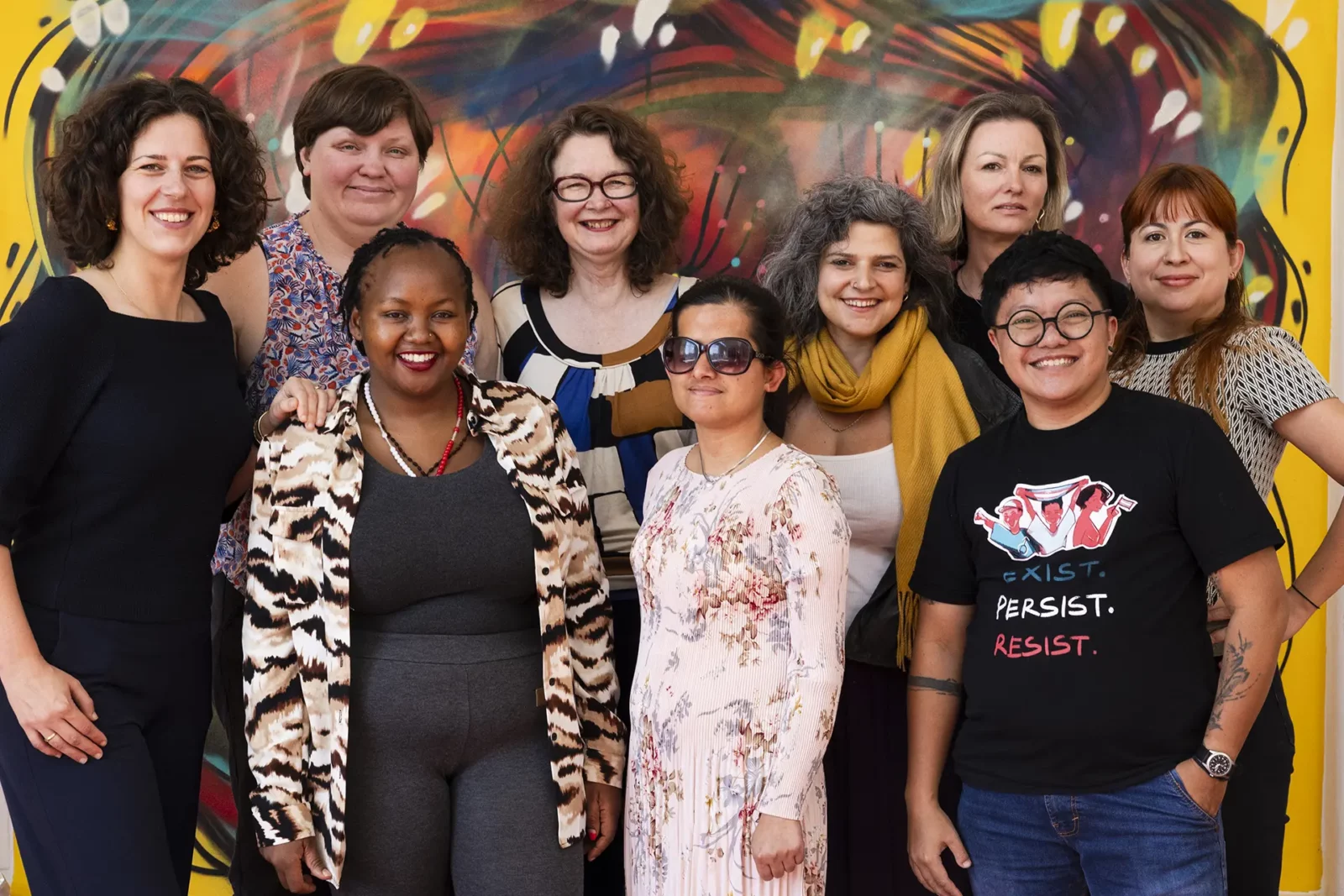

Supervisory Board report
Board activities
As outlined in the foreword of this annual report, 2025 was a year of difficult choices. Income was shrinking. The organisation was also in the middle of a restructure, which forced us as the Supervisory Board to ask questions about what to preserve when resources are thinning. Again and again, the answer was the same: to prioritise grantmaking, to keep money moving to feminist movements.
The Supervisory Board consists of members from 8 countries across different regions, and they had a combination of face-to-face and virtual meetings.
Multi-day face-to-face meetings
In 2025, the Supervisory Board met in May and October. Both meetings took place face-to-face in Amsterdam. The May meeting lasted four days and the October meeting three days.
During the May meeting, the Supervisory Board reconfirmed their feminist principles and consensus ladder (decision-making mechanism), using both as tools and frameworks of values to be used during the strategic, political and governance discussions.
Legal advice was provided during the meeting by an external lawyer to strengthen the Supervisory Board’s role as part of its self-development and training. The same lawyer advised the Supervisory Board on its approval of the decision of the Managing Board to restructure the organisation from 2026, due to funding cuts and changes in the political landscape. The Managing Board proposed four scenarios at the beginning of the year and decided on one scenario in June 2025. Questions were raised by the Supervisory Board, such as implications on staffing cuts for Mama Cash’s strategic goals and workloads across teams; impact on the grantmaking ratio; budget and income security. The Managing Board further explored these questions and after answers were provided, the Supervisory Board agreed with the scenarios as presented by the Managing Board.
Based on the Managing Board updates, discussions were held between the Supervisory Board and the Management Team around various topics and more specific information was sought by the Supervisory Board on:
- Movements team: data on regional grantmaking by sub-region, grantmaking targeting strategies for certain regions, efficiency of the application and review processes;
- People and Purpose team: assessment of bilateral funding readiness, systematising of donor requirements, a plan for stability in the finance team; and
- Money team: the Supervisory Board reviewed and approved hiring of a marketing agency for a campaign to strengthen Mama Cash’s support from Dutch individual donors, which was not in the budget 2025.
The Supervisory Board engaged in a learning session on corporate funding and due diligence led by the Money team, given the current funding landscape The session resulted in learnings on how to improve the current due diligence process from sharing funding opportunities with the Supervisory Board to the decision-making process of accepting funds. A learning exchange between four Spark Fund Steering Committee members, the Supervisory Board, Management Team, and the Spark Fund Coordinator was held. The aim was to learn more about the political struggles that Dutch-based grantee-partners are facing (grounded in historical and cultural context) and how the shifts in funding are affecting them.
The Supervisory Board reviewed and approved the Conflict of Interest register. The board also identified the need to strengthen governance practices and will explore opportunities to get support in this area.
It was agreed that the Supervisory Board would hold off recruitment for new board members after Anna Kirey’s exit. Considering that the Supervisory Board still consists of the required size, a pause in recruitment (for example, until 2027) would allow time to determine what profile and structure is needed given the current context and organisational needs.
Since 1 January, the CBF Recognition Scheme Standards for Charitable Organisations has been updated. This required some amendments to our Supervisory Board Rules to become eligible for the CBF Hallmark. The Supervisory Board Rules were adjusted to match these requirements.
The Governance and Nomination Committee updated the Protocol for Semi-Closed Nomination process to improve clarity, transparency, and accountability and to better reflect Mama Cash’s values. The Supervisory Board approved the amendments.
During the October meeting, as part of ongoing professional development the Supervisory Board received governance training from Blikverruimers foundation. The session aimed to refresh the Supervisory Board on Dutch legal frameworks and explore how better governance practices can strengthen Mama Cash’s mission. The focus was on Supervisory Board roles, navigating legal challenges, balancing feminist principles, and the right level of engagement with the Managing Board.
The Supervisory Board approved the 2026 Annual Plan and Annual Budget and a multi-year budget (2026-2030) was shared with the Supervisory Board. The Supervisory Board highlighted the importance of focusing on mobilising funds and improving efficiency.
As part of the Supervisory Board duties, the Risk Register was reviewed and improvements to the tool were discussed by the Supervisory Board. It was agreed to incorporate Risk Register discussions into every Supervisory Board in-person meeting and have the Audit and Risk Committee review risks as a standing item in the quarterly meetings. The budget, annual plan and Risk Register 2026 were approved on 25 November.
The Supervisory Board performed a self-assessment and discussed the results and next steps for training and coaching, with a focus on financial literacy, CBF regulations, strategic planning for nonprofits and governance. It also reflected its Supervisory Board membership status and planned for 2026 meeting structures, including face-to-face meetings.
Also, the need for more political discussions within the Supervisory Board was discussed and the Board agreed to review its approach to training and assessment requirements, noting that while external facilitation is needed every other year, internal facilitation is acceptable. The Political Working Group will lead better integration of political considerations across all committees.
The Supervisory Board reappointed Rola Yasmine for a second term and expressed appreciation for her contributions. It was also noted that Oriana López Uribe will complete her third and final term in February 2027, and that Anna Kirey would depart as of November 2025. The Board agreed to include succession planning on the agenda for the May 2026 in-person meeting.
Virtual meetings
The Supervisory Board also met online in March, June, August, and November.
On 17 March, the Supervisory Board met online to prepare for the May in-person meeting.
The Supervisory Board met online on 25 June, where it discussed and:
- Approved the decision of the Managing Board to activate the restructuring of the organisation
- Approved the Annual Report and Accounts 2024; and
- Did not approve the marketing business case to hire a marketing agency until the Audit and Risk Committee discussed it further with the Management Team and an updated plan is shared back with the Supervisory Board (this was later approved via e-vote in September).
The Supervisory Board met online on 26 August where:
- It was agreed what the focus of the governance training to be held in October would be and which external facilitator would facilitate it; and
- An opportunity was put forward by Merel Ritsma to attend an event on behalf of Mama Cash, as the first ever Mama Cash presence by an intersex person at a dedicated intersex conference in Europe. It was approved via e-vote in favour of Merel going to the Intersex Community event OII in Athens as Mama Cash representative.
The Supervisory Board met online on 25 November, where it discussed and approved:
- The multi-annual budget 2026-2030;
- Annual Plan 2026;
- Budget 2026; and
- 2026 Risk Register.
Bi-monthly Co-ED/Co-Chair meetings
Bi-monthly Co-ED(s)/Co-Chair(s) calls were held in February, April, June, August, and December. In this space, the Co-Chairs represent the full Supervisory Board. They do this by gathering inputs from Supervisory Board members in advance and report back following the meeting. During the calls, the Co-EDs and Co-Chairs discussed updates on the restructuring, the finance stability plan, team activities, finances, the co-leadership model and prepared the agenda and documents for Supervisory Board meetings.
Committee meetings
The Audit and Risk Committee (ARC) had a closing meeting with our auditor Dubois on 10 June in preparation for approval of the Annual Report and Accounts 2024. They also met online on:
- 10 June – the quarterly close of Q1 was reviewed.
- 9 July – the Finance Stability Action Plan and Memo Marketing Plan were discussed (and approved by e-mail on 30 July).
- 11 September – the quarterly close of Q2 was reviewed and the memo Marketing Plan was discussed again.
- 9 October – the draft Annual Plan 2026, Budget 2026, Finance Stability Action Plan, and the Risk Register 2026 were discussed.
- 4 December – the Q3 close was reviewed and preliminary findings from the interim audit were discussed.
The Governance and Nomination Committee met on 17 February to discuss the recruitment ambitions and to prepare the changes to the Supervisory Board Rules in response to new CBF regulations. In the first quarter of the year, the committee met several times for the recruitment of a replacement Audit and Risk Committee lead. In the second half of the year, the committee engaged regularly to, firstly, prepare training options for the full Supervisory Board to consider in the online meeting and subsequently hold two meetings in September and October to work with the selected trainers (Blikverruimers) to prepare for their input at the October Supervisory Board meeting. The Committee also prepared the self-assessment for the Supervisory Board which was administered ahead of the October Supervisory Board meeting. The committee also worked on drafting an ambassador policy for the Supervisory Board.
The Remuneration Committee met online on 4 September to discuss the Co-ED’s salary increase. Due to currency fluctuations following salary payments in Kenyan shillings to the Co-ED, the euro value of the salary became unpredictable. Concerns were raised about potentially exceeding the threshold for Executive Directors (de Regeling beloning directeuren van goededoelenorganisaties), if the currency fluctuations were left unchanged. To mitigate these fluctuations, the Remuneration Committee – after reaching agreement with the Co-Executive Director – proposed to switch the salary payments from Kenyan shillings to euros and not to award the Co-Executive Director this year’s annual salary step increase, nor the inflation correction. These decisions were taken by the Supervisory Board, expressly noting that they were based solely on financial considerations and do not reflect on the Co-ED’s performance in any way.
The Fundraising Committee met online on 18 March and discussed: fundraising infrastructure, Fundraising Committee Terms of Reference, risk mitigation mapping, Fondation Chanel, and prepared a session for the May Supervisory Board in-person meeting on Corporate Funding and Due Diligence.
On 17 July, Co-ED Saranel Benjamin announced her departure, effective September. In August, a temporary Transition Team taskforce was established. The mandate was to shape, guide, and implement a value-aligned and effective leadership transition process for Mama Cash. Part of this was to guide an externally-led evaluation of the Co-ED model to capture learnings that continue to strengthen shared leadership at the Executive level.


Supervisory Board and Board committees in 2025
At the end of 2025, the Supervisory Board had 10 members. Board members are appointed for a period of three years and can serve a maximum of three terms. The Supervisory Board committees, which were instituted in 2018, had a few changes throughout the year.
The compositions of the committees in December are:
- Governance and Nomination Committee: Laxmi Nepal, Sue Phillips (Committee Chair), Mario Prajna Pratama, Oriana López Uribe, Rola Yasmine;
- Audit and Risk Committee: Sara Vida Coumans, Grace Kamau, Sue Phillips, Merel Ritsma (Committee Chair), Oriana López Uribe;
- Remuneration Committee: Renate Keijser (Committee Chair), Merel Ritsma, Oriana López Uribe;
- Transition Team Taskforce: Sara Vida Coumans, Grace Kamau, Renate Keijser, Oriana López Uribe, and Sue Phillips (advisor); and
- Fundraising Committee: Sara Vida Coumans, Khara Jabola (Committee Chair)
The Political Working Group consists of: Khara Jabola, Grace Kamau, Laxmi Nepal, Mario Prajna Pratama, Oriana López Uribe, Rola Yasmine (Committee Chair)
| Header | Header |
|---|---|
| Governance and Nomination Committee |
|
| Audit and Risk Committee | The two main requirements for an effective Audit and Risk Committee are:
|
| |
| Remuneration Committee |
|
| Fundraising Committee |
|
| Political Working Group |
|
| Transition Team Taskforce | The purpose of the Transition Team is to shape, guide and implement a value-aligned and effective leadership transition process for Mama Cash, key responsibilities include:
|
Changes to the Supervisory Board
As Simone Marshall announced her resignation in November 2024, she left per 27 February, allowing time for a recruitment process led by the Governance and Nomination Committee for a new Supervisory Board member with financial expertise. Merel Ritsma was appointed as Simone’s replacement, effective 1 March.
During the online Supervisory Board meeting on 17 March, some changes were made to the Committee membership:
- Anna agreed to chair the Fundraising Committee;
- Mario and Grace agreed to Co-Chair the Political Working Group;
- Staff liaison: Sara agreed to fill this role in Renate’s absence; and
- Grace joined the Governance and Nomination Committee.
During the May Supervisory Board meeting, the Supervisory Board said goodbye to Anna Kirey whose third and final term was due to end on 31 October, around the time of the next in-person meeting. She has been a Supervisory Board member since October 2016 and has been an incredibly stable pillar of the Supervisory Board over the years. She is deeply thanked by Mama Cash for all her work.
Some changes were made to the composition of the committees, working groups, and other roles during the May meeting:
- Sara Vida Coumans and Oriana López Uribe remained Co-Chairs. Oriana and Sara agreed to reflect on the division of roles in the committees as Co-Chairs and decided that Sara would leave the Remuneration Committee, to join the Audit and Risk Committee.
- Audit and Risk Committee: Grace joined, so that Mario could leave for six months due to personal leave. Sue also joined.
- Fundraising Committee: Khara took on the Fundraising Committee Co-Chair role together with Anna. Sue left and Rola joined.
- Staff Liaisons: Mario joined as Staff Co-Liaison, as temporary support.
Shortly after the May meeting of 2024, Renate Keijser had to take a leave of absence for health reasons. Oriana López Uribe (Co-Chair) held the role of temporary Co-Staff Liaison until Renate was back. Halfway through 2025, Renate returned and continued her role as Supervisory Board member and staff Liaison, together with Rola Yasmine. (The Co-Staff Liaisons hold space for Mama Cash staff with confidential issues related to the Supervisory Board. They also discuss any confidential questions and concerns from staff).
Mid-year, Mario Prajna Pratama had to take up some personal leave until the end of 2025 and rejoined the Supervisory Board in January 2026.
During the October meeting, the Supervisory Board discussed committee memberships and roles, reviewed various committees, noted changes in membership, and the need to redefine the Fundraising Committee’s role. The changes are:
- Fundraising Committee: Anna and Rola exited, Khara took over the committee Chair role from Anna;
- Remuneration Committee: Anna exited, Renate took over as committee Chair;
- Political Working Group: Rola took over as group Chair; and
- Staff Liaison(s): as Mario was temporarily holding a Co-Staff Liaison role, he exited and Renate rejoined.
Board expenses and remuneration
In 2025, the Remuneration Committee of the Supervisory Board reviewed the remuneration of the Managing Board (the Co-EDs), Happy Mwende Kinyili and Saranel Benjamin (in the latter case applicable until Benjamin’s exit on 13 September). Their remuneration is based on the Dutch Collective Labour Agreement for Social Work (CAO Sociaal Werk) and the Dutch Charities Association (Goede Doelen Nederland) regulation regarding remuneration for Executive Directors. For more details, see Remuneration Co-Executive Director and Supervisory Board in the Financial report.
Supervisory Board members are not remunerated but may claim compensation for reasonable expenses. In 2025, the Supervisory Board expenses were around €67,143 consisting mainly of travel, and accommodation for two in-person Board meetings and consultancy expenses to support strengthening Supervisory Board governance.
Co-Executive Directors’ voluntary appointments and positions
In 2025, Co-ED Happy Mwende Kinyili held a Steering Committee membership of the Alliance for Feminist Movements and served on the Center for Effective Philanthropy’s Advisory Board, for which they did not receive remuneration.
Co-ED Saranel Benjamin was a Board member of Partos, for which she did not receive remuneration.
Composition of Mama Cash’s Supervisory Board as of December 2025
| Name | Function | Board member since | Affiliation/profession | Concurrent appointments and positions |
|---|---|---|---|---|
| Oriana López Uribe | Co-Chair |
| Feminist advocate for Sexual and Reproductive Justice at the national, regional, and international levels. Trainer for abortion doulas and for reducing abortion stigma at the individual and community levels. Oriana is Mexican and lives in Mexico. |
|
| Sue Phillips | Interim Co-Chair |
| Advocate for gender and social justice with an interest in seeking out opportunities for strategic influence and impact. Experience in working with international development donors, specifically the UK Department for International Development (now Foreign, Commonwealth & Development Office), the UN, regional development banks, and a range of international non-government organisations (INGOs). Founder and leader of Social Development Direct for 21 years (1999-2020), a UK-based provider of gender and inclusion expertise in the consultancy sector. Sue is currently working in a freelance capacity on a range of climate justice initiatives. Sue is British and lives in the UK. |
|
| Mario Prajna Pratama | Member |
| LGBTIQ rights advocate, known for pioneering the Indonesian trans masculine movement and mainstreaming trans and gender identity issues among LGBTIQ, feminists, and general human rights movements. Founder and Co-Director of Transmen Indonesia and owner of a small company producing prosthetics and toys for gender expression and pleasure, promoting a positive sex culture among the trans and queer community. Mario is Indonesian and lives in Indonesia. |
|
| Laxmi Nepal | Member |
| Active in rights and empowerment of women with disabilities at the grassroots, national, regional, and global levels. Founder and Executive Director of Access Planet Organization, led by young women with disabilities in Nepal, working for the promotion of rights, empowerment, and inclusion of people with disabilities in general, and specifically young women with disabilities. Laxmi is Nepalese and currently lives in Nepal. |
|
| Rola Yasmine | Member |
| Registered nurse and researcher, working on sexual politics, gender and reproductive justice, and movement building. Founder and former Executive Director of non-profit organisation The A Project, which works on advancing a queer feminist political discourse around sexual and reproductive health and rights, affirming agency and autonomy in sexuality politics and reproductive justice, while seeking alternatives to counteract medical patriarchy. Rola is Lebanese and currently lives in Lebanon. | |
| Grace Kamau | Member |
| Self-identified female sex worker with 8 years’ work experience in the HIV field in relation to key populations. Grace has previously worked at the Bar Hostess Empowerment Programme as Program Officer, as a consultant with the NSWP, and as the National coordinator of the Kenya Key Population Consortium. Grace currently works as the African Sex Workers Alliance Regional Coordinator in Nairobi, Kenya. Grace is Kenyan and lives in Kenya. |
|
| Renate Keijser | Member |
| Lawyer at Dutch law firm De Brauw Blackstone Westbroek. As a senior associate she specialises in complex litigation, with a focus on cross-border commercial disputes and intellectual property law. Renate is passionate about gender rights and has actively engaged with non-profit organisations, offering pro bono legal advice and support in court proceedings on issues related to gender rights. Renate is Dutch and lives in the Netherlands. | |
| Sara Vida Coumans | Co-Chair |
| Feminist and youth inclusion expert with a background in youth-led sexual and reproductive rights. Sara works for Amnesty International since 2015, currently as Deputy Director of the Campaigns and Education Programme and Head of the Global Children and Youth team. She has held Board positions for the Youth Coalition for Sexual and Reproductive Rights and the United Network of Young Peacebuilders. Sara is Dutch, grew up in Nicaragua, Botswana and The Philippines and currently lives in the Netherlands. | |
| Merel Ritsma | Member |
| NGO and corporate sector finance professional and passionate advocate for social justice. Dedicated to advancing the rights of the feminist and intersex communities, working to foster equality and inclusion. Merel is Dutch and currently resides in the Netherlands. |
|
| Khara Jabola | Member |
| Oceania Representative for Mama Cash Supervisory Board. Philanthropy professional and feminist lawyer currently focusing on the impact of wildfires on gender equality in Hawaii. She recently served as the Director of Philanthropy for the Global Center for Gender Equality and the Executive Director of the Hawaii State Commission on the Status of Women. Experience in leading complex policy campaigns and interagency governmental teams related to sexual rights and reproductive health, gender-based violence, militarism, and immigrant and indigenous rights. She chaired the State of Hawaii’s Home Birth Task Force and State of Hawaii’s Missing and Murdered Native Hawaiian Women and Girls Task Force with the Office of Hawaiian Affairs. She is a proud hula mom. Khara is Chamorro-Filipina and currently lives in Hawaii. |
|
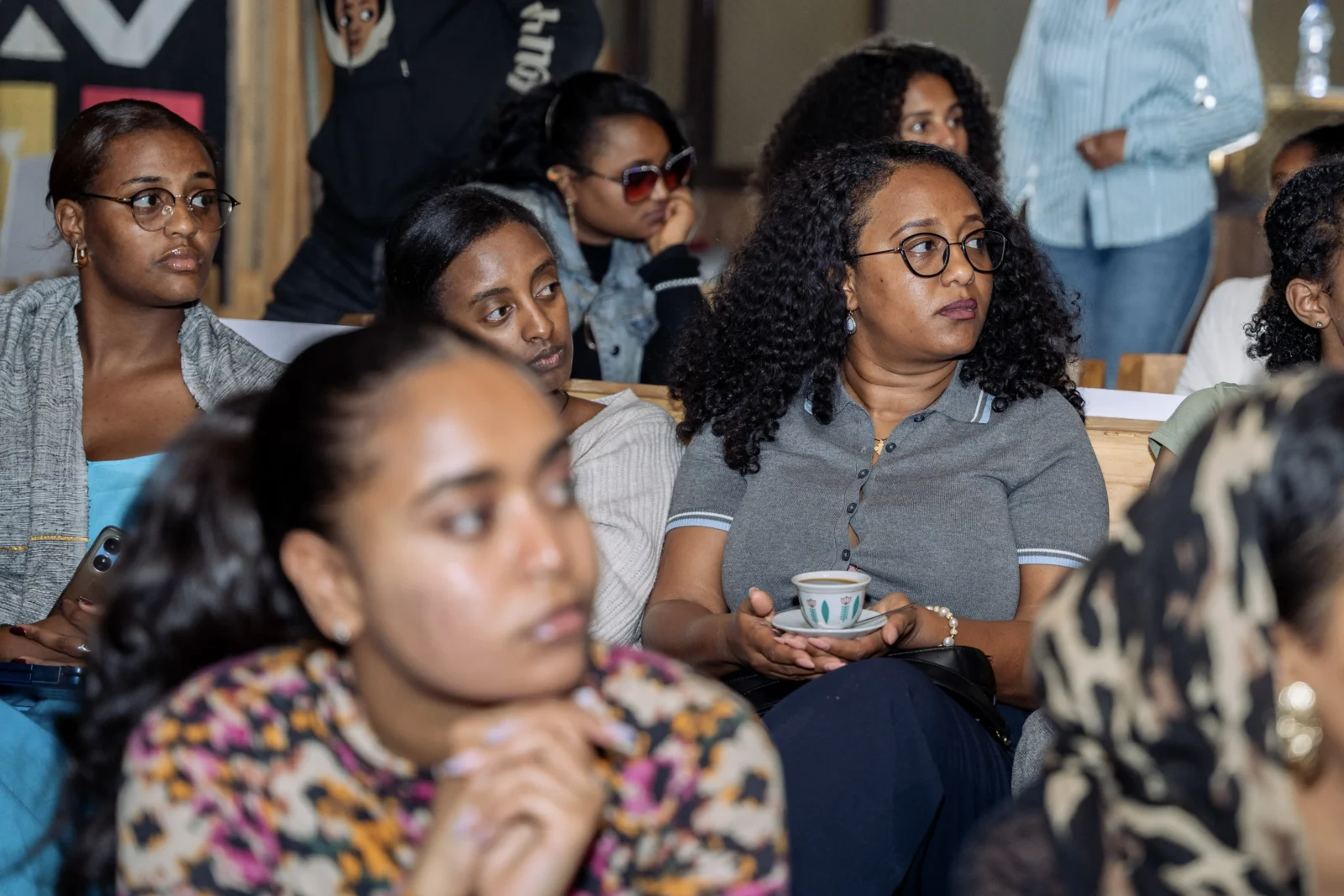

Financial report
Balance sheet as of
31 December 2025
(after appropriation of results)
All amounts are in euros.
The numbers in parentheses refer to the explanatory notes for the balance sheet.
| 31/12/2025 | 31/12/2024 | |
|---|---|---|
| Assets | ||
| Intangible assets (1) | 400,840 | 443,420 |
| Tangible assets (2) | 11,538 | 49,781 |
| Investments (3) | 3,463,408 | 3,322,411 |
| Receivables (4) | 2,853,046 | 7,100,907 |
| Liquidities (5) | 19,769,998 | 17,723,494 |
| Total assets | 26,498,830 | 28,640,014 |
| Liabilities | ||
| Reserves | ||
| - Continuation reserve (6) | 5,269,812 | 4,869,732 |
| - Designated reserves (7) | 6,915,262 | 6,810,231 |
| Total reserves | 12,185,075 | 11,679,962 |
| Funds | ||
| - Designated funds (8) | 669,540 | 940,200 |
| - Donor advised and named funds (9) | 1,350,856 | 1,365,748 |
| Total funds | 2,020,396 | 2,305,948 |
| Long-term liabilities (10) | 2,297,341 | 0 |
| Short-term liabilities (11) | 9,996,017 | 14,654,105 |
| Total liabilities | 26,498,830 | 28,640,014 |
Statement of income and expenditures as of 31 December 2025
All amounts are in euros.
The numbers in parentheses refer to the explanatory notes for the statement of income and expenditures.
| Actuals 2025 | % | Budget 2025 | % | Actuals 2024 | % of Total Actuals | |
|---|---|---|---|---|---|---|
| INCOME | ||||||
| Income from individual donors (13) | ||||||
| - Individual donors | 1,341,014 | 1,583,174 | ||||
| - Income from inheritances / legacies | 2,393,207 | 704,862 | ||||
| - Donor advised funds | 56,000 | 51,500 | ||||
| Total income from individuals | 3,790,221 | 16% | 2,809,442 | 13% | 2,339,536 | 9% |
| Income from lottery organisations (14) | ||||||
| - Postcode Lottery | 1,947,429 | 1,697,741 | ||||
| Total income from lottery organisations | 1,947,429 | 8% | 1,725,000 | 8% | 1,697,741 | 7% |
| Income from governments (15) | ||||||
| - Governments | 3,622,363 | 8,126,332 | ||||
| - Income for Alliance Partners | 5,587,961 | 4,640,190 | ||||
| Total income from governments | 9,210,324 | 39% | 9,201,599 | 43% | 12,766,522 | 51% |
| Income from other non-profit organisations (16) | ||||||
| - Foundations | 8,847,713 | 8,124,379 | ||||
| Total income from other non-profit organisations | 8,847,713 | 37% | 7,745,461 | 36% | 8,124,379 | 33% |
| Sum of the income raised | 23,795,687 | 100% | 21,481,501 | 100% | 24,928,178 | 100% |
| Other income (17) | ||||||
| - Other income | 55,245 | (27,925) | ||||
| Total other income | 55,245 | (27,925) | ||||
| TOTAL INCOME | 23,850,931 | 21,481,501 | 24,900,253 | |||
| % of budget | 111% | |||||
| % of last year | 96% | - |
| Actuals 2025 | % | Budget 2025 | % | Actuals 2024 | % of Total Actuals | |
|---|---|---|---|---|---|---|
| EXPENDITURES RELATED TO STRATEGIES (18, 19, 20) | ||||||
| Expenditure related to Alliance Partners | 5,587,961 | 4,516,552 | 4,640,215 | |||
| Grantmaking and accompaniment | ||||||
| - Resilience Fund | 5,123,955 | 6,285,000 | ||||
| - Solidarity Fund | 450,000 | - | ||||
| - Accompaniment grants | 958,725 | 1,367,451 | ||||
| - Revolution Fund | 92,000 | 161,100 | ||||
| - Spark Fund | 152,500 | 113,000 | ||||
| - Radical Love Fund | 56,000 | 110,000 | ||||
| - Recovery & Resilience Fund | 49,100 | |||||
| - Red Umbrella Fund (Appendix 2) | 1,300,000 | 1,308,959 | ||||
| - Pass-through grants | 280,000 | 60,000 | ||||
| Subtotal direct grantmaking | 8,413,180 | 8,500,000 | 9,454,610 | 43% | ||
| Movements implementation costs | 4,384,416 | 3,653,259 | 3,774,615 | 15% | ||
| Total grantmaking and accompaniment | 12,797,596 | 12,153,259 | 13,229,225 | 58% | ||
| Influencing the donor community | 1,225,899 | 1,163,184 | 1,036,032 | |||
| Total expenditure related to objectives | 19,611,456 | 83% | 17,832,995 | 82% | 18,905,472 | 80% |
| (as percentage of total income) | 82% | 76% | ||||
| Fundraising | ||||||
| - Fundraising costs | 1,793,216 | 8% | 2,274,671 | 11% | 1,974,870 | 8% |
| (as percentage of fundraising income) | 8% | 8% | ||||
| Management and administration | ||||||
| - Management and administration costs | 2,332,942 | 10% | 1,525,063 | 7% | 2,619,245 | 11% |
| TOTAL EXPENDITURE (incl payment to Alliance Partners) | 23,737,614 | 76% | 21,632,729 | 100% | 23,499,587 | 76% |
| % of budget | 110% | |||||
| % of last year | 101% | |||||
| RESULT BEFORE FINANCIAL INCOME AND EXPENDITURE | 113,318 | (151,228) | 1,400,666 | |||
| Financial income and expenditure (21) | ||||||
| - Income from investments | 165,499 | 343,633 | ||||
| - Interest means of liquidity | 172,177 | |||||
| - Costs of investments | (30,391) | |||||
| - Exchange rate difference | (200,765) | 52,253 | ||||
| Total financial income and expenditure | 106,521 | 395,886 | ||||
| RESULT | 219,839 | (151,228) | 1,796,552 | |||
| Result allocation | ||||||
| - Designated funds | (270,660) | (23,983) | ||||
| - Donor advised funds and named funds | (14,892) | (31,235) | ||||
| - Designated reserves | 215,776 | 1,611,830 | ||||
| - Continuation reserve | 289,614 | 239,940 | ||||
| Total result allocation | 219,839 | 1,796,552 | ||||
| RESULT AFTER RESULT ALLOCATION | 219,839 | 1,796,552 |
Cash flow statement
All amounts are in euros.
| 2025 | 2024 | |
|---|---|---|
| Cash flow from operational activities | ||
| Mutation in reserves | 505,390 | 1,851,770 |
| Mutation in funds | -285,552 | -61,253 |
| Result | 219,838 | 1,790,516 |
| Adjustments for: | ||
| - Depreciation of tangible fixed assets | 40,814 | 60,471 |
| - Depreciation of intangible fixed assets | 42,581 | 44,716 |
| - Changes in the value of investments | -124,071 | -157,143 |
| -40,676 | -51,956 | |
| Changes in working capital: | ||
| - Receivables | 4,247,861 | -3,608,211 |
| - Short-term liabilities | -4,658,088 | 4,251,429 |
| -410,226 | 643,218 | |
| Cash flow from operational activities | -231,065 | 2,381,778 |
| Cash flow from investment activities | ||
| Investments/divestments in: | ||
| - Tangible assets | -2,892 | -9,498 |
| - Intangible assets | 0 | -364,103 |
| - Equity and bonds | -16,923 | -25,725 |
| - Other | 43 | 6,039 |
| Cash flow from investment activities | -19,772 | -393,287 |
| Cash flow from financing activities | ||
| Adjustments in long-term liabilities | 2,297,341 | 0 |
| Cash flow from financing activities | 2,297,341 | 0 |
| Increase / decrease in liquidities | 2,046,504 | 1,988,491 |
| Liquidity movements | ||
| Cash and cash equivalents as of 1 January | 17,723,494 | 15,735,003 |
| Increase in cash and cash equivalents | 2,046,504 | 1,988,491 |
| Cash and cash equivalents as of 31 December | 19,769,998 | 17,723,494 |
Explanatory notes for the cash flow statement
In 2025, cash and cash equivalents increased by €2,046,504, primarily due to a significant raise in cashflow from operational activities. A detailed analysis is provided below.
Changes in cash flow from operational activities
Mutation in reserves
Our reserves increased by €505,113, comprising a €400,081 appropriation of the year’s operational result and a €105,032 increase to a mix of the Mama Cash Programme Reserve and the Operational Strengthening Reserve funded by individual donations, inheritances, and legacies. For more information, please refer to notes 6 and 7.
Mutation in designated, donor advised and named funds
The designated, donor advised and named funds decreased by €285,552 which consists of €270,660 net usage of the Red Umbrella Fund designated reserve, as well as €14,892 net usage of donor advised designated funds (see note 7 ‘Designated reserves’ and note 8 ‘Designated funds’).
Changes in the value of investments
The change in the value of investments is attributable to a mix of realised and unrealised gains of €124,071 on the sustainable investment portfolio.
Changes in working capital
Changes in working capital stem from a significant decrease in receivables (-€4,247,861) as well as a decrease in payables (-€4,658,088), mainly related to utilisation of both prepaid institutional donor funds and subsidies that had been received in advance.
Changes in cash flow from investment activities
Changes in cash flow from investment activities are primarily related to a small net increase in our investment portfolio. See Note 2 in the ‘Explanatory notes for the balance sheet’.
Explanatory notes for the annual accounts
All amounts are in euros. The numbers in parentheses refer to the explanatory notes for the statement of income and expenditures.
Mama Cash Foundation
Courageous women’s, girls’, and trans and intersex people’s human rights organisations around the world need funding and supportive networks to grow and transform their communities. Mama Cash mobilises resources from individuals and institutions, makes grants to women’s, girls’, and trans and intersex people’s groups, and helps build the partnerships and networks needed to successfully defend and advance their human rights.
Mama Cash’s office is located at Eerste Helmersstraat 17-D in Amsterdam. The Mama Cash Foundation was established in 1983. It is registered with the Chamber of Commerce in Amsterdam under number 41202535.
CBF, The Dutch Fundraising Regulator, first awarded Mama Cash its Hallmark in 1998. CBF is an independent organisation that has monitored fundraising by Dutch charities since 1925. Its task is to promote responsible fundraising and expenditures by reviewing fundraising institutions and providing information and advice to governmental institutions and the public. The Hallmark designation for Mama Cash was renewed in 2025. The fixed periodic assessment schedule for large Recognized Charities is being discontinued; from now on, we need to provide updated information each year, and the CBF will select reassessments based on signals and data analysis, with around 10% of all recognised organisations undergoing a full review. From 2026, the CBF will also conduct more theme‑based assessments focused on central themes.
The Dutch Tax and Customs Administration has designated Mama Cash an ‘Institution for General Interest’ (Algemeen Nut Beogende Instelling, ANBI). Therefore, Mama Cash is exempt from gift tax and inheritance tax in The Netherlands. Dutch donors to Mama Cash can deduct their donation from their income taxes or corporate taxes (within legal limits).
Guiding principles
The annual accounts are prepared in accordance with the accounting guidelines for fundraising institutions (‘Directive 650’) of the Dutch Accounting Standards Board (DASB). The objective of these guidelines is to provide the public with clarity about the costs of fundraising, the use of the funds, and whether funds have been spent in accordance with the purpose for which they were raised. In addition, the guidelines provide accounting templates which must be used by every Dutch fundraising institution to ensure transparency.
Accounting principles
- General
The accounting concepts applied to the value of assets and liabilities are based on historical costs. Revenue and expenses are allocated to the period to which they are related.
- Change in accounting policy
There have been no changes in accounting policy.
- Comparative figures
The accounting policies applicable to the valuation of assets and liabilities, and, to the recognition of income and expenses are unchanged compared to the prior year. Comparative figures for 2024 have changed slightly compared to the published Annual Report 2024, due to an incorrectly booked direct adjustment in the RUF income statement. More specifically, the incorrect booking concerned an incorrect adjustment of RUF income of €6,035 which was adjusted based on a perceived uncollectable expense but had not impacted RUF reserves. This entry had been reversed. Hence, the 2024 comparative figures show a €6,035 higher income and net result, but the RUF reserves remain the same.
- Cash flow statement
The cash flow statement is drawn up according to the indirect method. Cash flows in foreign currency have been converted into euros using the exchange rate valid on the transaction date.
- Foreign currency
The currency of reporting is the euro. Assets and liabilities in foreign currency are valued against exchange rates as of 31 December 2025. Transactions in foreign currencies are recalculated at the exchange rate on the transaction date. Exchange rate differences are stated under ‘Financial income and expenditure.’
- Tangible and intangible fixed assets
The tangible and intangible fixed assets are valued at their acquisition value and are subject to the deduction of linear depreciation based on their estimated economic lifetime. Office refurbishment costs have been depreciated through the end of the rental contract (December 2025), which is approximately 10% of the costs per year. Furthermore, the following percentages are used:
Inventory and office equipment: 20%
Hardware and software: 33.33%
- Investments
Bonds and shares are assessed at their market value. Unrealised value differences on investments and funds, both those listed on the stock exchange and those not listed, are applied directly as a benefit or a charge against the result.
- Other assets and liabilities
Assets and liabilities expressed in foreign currencies are converted using the exchange rate on the balance date.
- Reserves and funds
The reserves consist of freely disposable capital and designated reserves. We maintain a continuation reserve (our freely disposable capital) to ensure that the organisation remains financially resilient and able to fulfil its mission even in scenarios where significant risks materialise. The current set of identified risks, their likelihood and impact, and the resulting financial calculations, determine the required continuation reserve. This reserve enables the organisation to continue operating and to meet its obligations should one or more of these risks occur. A positive financial result can only be added to the reserves if it stems from unrestricted income. Unutilised funds from bilateral donors related to restricted donor project contracts cannot be added to reserves. Designated reserves are reserves allocated by the Supervisory Board for a specific purpose that potentially cannot be (sufficiently) financed through the regular operational budget.Designated funds, including donor advised funds and named funds, are funds that are imposed by third parties and allocated to specific activities by contract or general regulations (designated fund assets). Designated funds that have not been used during the financial year are transferred to the next year.
- Income and expenditures
Income and expenditures are accounted for on a historical cost basis in the year to which they relate. Income from gifts is accounted for in the year of receipt or when such gifts become expendable. Grants allocated to women’s, girls’, and trans and intersex people’s groups and to women’s funds are accounted for at the moment the grant has been officially approved by the Director of Programmes and the Co-Executive Director.
- Cost allocation
Personnel costs for staff members are directly allocated to the following cost categories: movements, money, fundraising costs, and management and administration. Accommodation costs, office costs, and depreciation costs are allocated to these cost categories based on the average FTEs (Full Time Equivalents) during 2025. The total number of FTEs includes replacement because of pregnancy leave, long-term sick leave, and care leave.
Costs are allocated as follows:
| Type of cost | Allocation |
|---|---|
| Board | 100% Management and administration |
| Co-Executive Directors | 30% Management and administration |
| 15% Fundraising | |
| 55% Influencing the donor community | |
| Grants and donor administration | 85% Grantmaking |
| 15% Fundraising | |
| Data management | 50% Grantmaking and accompaniment |
| 50% Fundraising | |
| IT and human resources | 100% Management and administration |
| Finance and administration | 30% Grantmaking |
| 20% Fundraising | |
| 50% Management and administration | |
| Accommodation | Allocation pro rata based on average FTEs |
| Office and general costs | Allocation pro rata based on average FTEs |
| Depreciation | Allocation pro rata based on average FTEs |
| Average FTE 2025 | |
|---|---|
| Movements (grantmaking and accompaniment) | 27.07 |
| Money (influencing the donor community) | 7.63 |
| Fundraising | 11.22 |
| Management and administration | 10.86 |
| Total | 56.78 |
- Pension
Since 1 January 2005, Mama Cash has had a defined benefit pension scheme. Under this scheme, a pension is allocated to employees upon reaching the pension entitlement age depending on salary and years of service (referred to as the ‘average salary scheme’). Mama Cash has amended the defined benefit pension scheme to function as if it were a defined contribution pension scheme in accordance with options offered to small-scale legal entities. The premiums payable are accounted for as a charge in the profit and loss account. To the extent that the premiums payable have not yet been paid, they are included in the balance sheet as an obligation. Due to this amended method, not all the risks related to the pension scheme are expressed on the balance sheet.Since 1 January 2010, Mama Cash has made a defined contribution pension scheme available to new personnel. The conditions described above are also applicable to this pension scheme.
-
Grant-making
In 2022, Mama Cash implemented a new grantmaking policy. Prior to 2022, multi-year grants were recognised in full at inception (i.e., during the first year in which they were awarded). As of 2022, grants made by Mama Cash to women’s, girls’, and trans and intersex people’s organisations, and women’s funds are typically awarded on an annual basis. The multi-year component of the grant is committed separately in a letter of intent to grantee-partners. Due to the conditional element of these commitments, the multi-year component is not accounted for as a grant expense or obligation in the financial statements. Instead, the multi-year component is reported in the paragraph ‘Obligations not shown in the balance sheet.’ - Donations
Direct individual donations have been incorporated on a cash basis.
- Inheritances
Inheritances are included in the financial year in which the notarial ‘Deed of Distribution’ (Akte van Verdeling) has been received. Advances are incorporated in the year of receipt.
- Expenses for grantmaking and accompaniment
In addition to the grants issued to women’s, girls’, and trans and intersex people’s organisations, grantmaking expenses also include the costs for monitoring the progress of grant activities. The expenses for accompaniment relate to costs for supporting groups in strategic thinking, supporting grantee-partners to participate in strategic spaces, and linking grantee-partners to other groups and other funders. Expenses are also related to monitoring and evaluation, including the collection of grantee-partner data from the field, the creation of learning tools, the production and dissemination of impact reports and evaluation. Other expenses are related to sharing best practices with stakeholders, the organisation of regional and thematic convenings for our grantee-partners, and building international communities of practice.
- Fundraising costs
Fundraising costs concern all costs of activities that are directly or indirectly initiated to persuade individuals and institutions to donate money to Mama Cash.
- Expenses for management and administration
The expenses for management and administration include personnel costs as well as indirect costs necessary to manage the organisation.
- Expenses of the Supervisory Board
Mama Cash has an international Supervisory Board. Supervisory Board members do not receive remuneration. Expenses of the Supervisory Board are included in the management and administration costs. These expenses are costs associated with holding biannual face-to-face Board meetings (travel, accommodation, meals, etc.) and insurance.
Explanatory notes for the balance sheet
1. Intangible assets
Intangible asset investments are primarily related to the Mama Cash website and to software acquisitions to upgrade the IT system in the office. In 2023, Mama Cash started investing in an upgrade to the Salesforce platform, which is the main cause of the increase in the intangible asset purchase value. The Salesforce platform upgrade is in development with an expected go-live date mid-2026, i.e. the asset is still under construction at year end 2025.
| Intangible assets | Total 2025 | Total 2024 |
|---|---|---|
| Acquisition value | ||
| Balance as of 1 January | 850,667 | 486,564 |
| Transfer to assets in use from assets under development | 378,243 | 277,741 |
| Transfer from assets under development to assets in use | -378,243 | 86,362 |
| Balance as of 31 December | 850,667 | 850,667 |
| Depreciation | ||
| Balance as of 1 January | 407,247 | 362,531 |
| Depreciation intangibles in use | 42,581 | 44,716 |
| Balance as of 31 December | 449,827 | 407,247 |
| Book value as of 31 December | 400,840 | 443,420 |
2. Tangible assets
Tangible assets are primarily related to investments in inventory, office equipment, and IT hardware systems.
| Tangible assets | Inventory | Office equipment | Hardware | Refurbishment | Total 2025 | Total 2024 |
|---|---|---|---|---|---|---|
| Acquisition value | ||||||
| Balance as of 1 January | 50,177 | 70,496 | 326,344 | 163,177 | 610,195 | 600,696 |
| Purchasing | 0 | 538 | 2,353 | 0 | 2,892 | 9,498 |
| Divestment | 21,241 | 53,616 | 87,646 | 163,177 | 325,680 | 0 |
| Balance as of 31 December | 28,937 | 17,419 | 241,052 | 0 | 287,407 | 610,194 |
| Depreciation | ||||||
| Balance as of 1 January | 50,173 | 65,784 | 281,279 | 163,177 | 560,413 | 499,942 |
| Depreciation | 4 | 2,335 | 38,475 | 0 | 40,814 | 60,471 |
| Divestment depreciation | 21,241 | 53,616 | 87,325 | 163,177 | 325,359 | 0 |
| Balance as of 31 December | 28,937 | 14,503 | 232,429 | 0 | 275,869 | 560,413 |
| Book value as of 31 December | 0 | 2,916 | 8,622 | 0 | 11,538 | 49,781 |
3. Investments
Responsible investment is a priority for Mama Cash. Shares and bonds are invested in line with our responsible investment criteria. In 2014, Mama Cash received stocks and bonds as part of a legacy. In 2017, the Finance Committee of the Board assessed this portfolio and concluded that it did not sufficiently meet our responsible investment criteria. Most of the stocks and bonds in this portfolio have subsequently been converted into liquid assets in line with our responsible investment criteria. Any remaining financial assets that are not yet in line with our investment policy will be reinvested in a responsible manner to gain more value. Mama Cash’s financial asset management will be entrusted to one of the two highest-ranking responsible financial asset managers in the Netherlands, like other Mama Cash investments.
| Investments | Total 2025 | Total 2024 |
|---|---|---|
| Investments | ||
| Shares | 2,775,442 | 2,602,147 |
| Bonds | 687,966 | 720,264 |
| Balance as of 31 December | 3,463,408 | 3,322,411 |
| Value of investments | ||
| Balance as of 1 January | 3,322,411 | 3,139,543 |
| Purchasing | 948,567 | 251,016 |
| Divestment | -931,644 | -225,291 |
| Realised investment value differences | 78,447 | -17,373 |
| Unrealised investment value differences | 45,624 | 174,516 |
| Balance as of 31 December | 3,463,405 | 3,322,411 |
4. Receivables
Receivables are short-term assets. Prepaid costs are costs related to expenses for 2026 paid in advance. Grants (donations) to be received are commitments made by institutional donors that were not yet received at the end of 2025.
Prepaid other costs decreased from €4.6 million to less than €0.1 million, as between 2021 and 2024 we had made pre-payments of €4.4 million to our Alliance Partners as part of the Ministry of Foreign Affairs of the Netherlands’ multi-year funding commitment for the years 2021–2025 for CMI!. The actual expenditures are based on final numbers, as 2025 is the last year for these grants (donations), and therefore the prepayments have been reconciled with actual costs submitted and accounted for accordingly.
| Receivables | Total 2025 | Total 2024 |
|---|---|---|
| Gifts to be received | 86,572 | 266,650 |
| Prepaid pensions | 14,480 | 12,092 |
| Prepaid insurances | 171,414 | 151,927 |
| Prepaid other costs | 59,240 | 4,601,752 |
| Sick pay to be received | 0 | 52,387 |
| Donor grants to be received | 1,956,496 | 1,818,372 |
| Other receivables | 564,844 | 222,349 |
| Payments in transit | - | -24,622 |
| Balance as of 31 December | 2,853,046 | 7,100,907 |
5. Liquid Assets
The balance in our savings accounts generally peaks in December after the receipt of advance payments for the following year from a number of institutional donors. In 2025, liquid assets increased by around €2 million compared to 2024.
| Liquid assets | Total 2025 | Total 2024 |
|---|---|---|
| Liquid assets | ||
| Cash | 2,053 | 773 |
| Current and savings accounts | 19,767,945 | 17,722,721 |
| Balance as of 31 December | 19,769,998 | 17,723,494 |
6. Continuation reserve
The purpose of the continuation reserve is to cover any operational short-term risks as well as to ensure that Mama Cash can meet its financial obligations in the medium-term.
Mama Cash does not strive for a maximum continuation reserve. In February 2026, the Audit and Risk Committee of the Supervisory Board retroactively revised the Reserve and Funds Policy per end of 2025. This revision was necessary to, amongst other things, reflect the updated approach to Mama Cash’s risk management, which is used to substantiate the level of the continuation reserve.
We maintain a continuity reserve to ensure that the organisation remains financially resilient and able to fulfil its mission even in scenarios where significant risks materialise. The current set of identified risks, their likelihood and impact, and the resulting financial calculations, determines the required continuity reserve for 2026 to amount to €6.3 million. This reserve enables the organisation to continue operating and to meet its obligations should one or more of these risks occur. With the budgeted positive result in 2026 and the support of the Ford Foundation, we expect to build the continuation reserve up to the required level by the end of 2026. A positive financial result may only be added to the reserves if it stems from unrestricted income (donor contracts). Unutilised funds from bilateral donors related to restricted donor project contracts cannot be added to reserves. Mama Cash works to minimise the likelihood of this risk by conducting a comprehensive risk analysis annually and implementing measures to prevent any potential disruptions to continuity.
The continuation reserve increased by €400,080, of which €217,610 was funded by the Ford Foundation to ensure the coverage ratio. Currently our continuation reserve covers approximately 84% of Mama Cash’s 2026 risk analysis.
| Continuation reserve | Total 2025 | Total 2024 | ||
|---|---|---|---|---|
| Continuation reserve | ||||
| Balance as of 1 January | 4,869,732 | 4,629,789 | ||
| Additions | 700,081 | 239,942 | ||
| Withdrawals | -300,000 | |||
| Balance as of 31 December | 5,269,812 | 4,869,732 | ||
| Target based on risk register 2026 | 6,300,000 | |||
| Current % of targeted amount | 84% |
7. Designated reserves
Designated reserves are reserves allocated by Mama Cash for a specific purpose. Mama Cash maintains four designated reserves that support long-term financial stability and strategic priorities.
The first category relates to the reserves used for financing fixed assets (‘Designated reserve assets’). This reserve has not been used in the current or previous year – we anticipate drawing on it in or before 2028 to cover asset renewal costs.
The second designated reserve (created in 2017) relates to the inspiration of new feminist donors – one of the organisational priorities of Mama Cash is to ‘inspire solidarity’ in funding to ensure a sustainable and just future for all. This reserve enables strategic investments such as campaigns that benefit the broader donor community and advance global feminist policy. The campaign we started in 2025 and will continue in 2026 is funded from this reserve. After a successful completion of this initial campaign, we expect to cover the costs in 2027 from our regular operational budget. The remaining balance is to be used in or before 2028 on new innovative approaches to inspiring new feminist donors.
Thirdly, the Mama Cash Programme Reserve has been created to support women’s, girls’, and trans and intersex human rights organisations and strengthen their skills, knowledge, and resources to effectively self-organise and advocate for their rights; and to ensure a steady flow of unrestricted funding so that groups supported by Mama Cash are able to continue building a feminist future. This reserve ensures continuity in funding grantee-partners, particularly our commitment to maintain 10-year long funding commitments, even when annual income fluctuates. With donor income becoming uncertain from 2027 onwards, this reserve plays a crucial role in safeguarding the continuity of our grantmaking and broader mission. Individual donations received in the year are added to this fund and then spent on grants for women’s, girls’, and trans and intersex human rights organisations in subsequent years. With the balance in this reserve, we could cover 49.7% of our grantmaking budget if donations declined in 2027 for any reason. The Designated Reserve for Organisational Strengthening and Granting is funded by the Postcode Loterij (Postcode Lottery) and has been created to fund the operational investment necessary to achieve our strategic guide ‘In Movement Together’. The reserve will be used both to finance planned investment in strengthening our internal organisation across people, processes, and systems, as well as provide funding to our grantee-partners. This reserve covers costs such as policy development, staff training, IT improvements, and more particularly in 2025, it funded the much-needed organisational restructuring. The remaining balance is to be used by the end of our strategic plan period in 2030 on activities to strengthen our organisation and/or grantmaking activities.
In 2025, the designated reserves increased from €6,810,231 at year end 2024 to €6,915,262 at year end 2025. The main movements are noted on the Designated Reserve for Organisational Strengthening and Granting shown below. In addition to funding the restructuring, a provision was made for possible future restructuring to ensure we remain efficient and responsive to a changing donor environment in order to maximise our grantmaking.
| Designated reserves | Designated reserve assets | Designated reserve to inspire new feminist donors | Mama Cash Programme Reserve | Designated reserve for organisational strengthening and granting | Total 2025 | Total 2024 |
|---|---|---|---|---|---|---|
| Designated reserves | ||||||
| Balance as of 1 January | 71,844 | 688,098 | 4,903,042 | 1,147,247 | 6,810,231 | 5,198,401 |
| Additions | - | - | 65,499 | 1,800,000 | 1,865,499 | 1,611,830 |
| Withdrawals | -33,500 | -1,726,967 | -1,760,467 | |||
| Balance as of 31 December | 71,844 | 654,598 | 4,968,541 | 1,220,280 | 6,915,262 | 6,810,231 |
8. Designated funds
Designated funds are donor commitments and funds earmarked by third parties for specific projects for the implementation of Mama Cash’s strategies that have not yet been spent down. Amounts from a single donor above €300,000 are shown separately, while amounts below €300,000 are combined in one designated fund. The designated funds for Red Umbrella Fund contain several smaller amounts. The Red Umbrella Fund funds are meant to support sex workers’ organisations and the strengthening of their movements. In 2025, Red Umbrella Fund used its prior year built up funds to finance its 2025 activities, explaining the net withdrawal of €270,660.
| Designated funds | Total 2025 | Total 2024 |
|---|---|---|
| Red Umbrella Fund | ||
| Balance as of 1 January | 940,200 | 964,183 |
| Additions | 0 | |
| Withdrawals | -270,660 | -23,983 |
| Balance as of 31 December | 669,540 | 940,200 |
9. Donor advised funds and named funds
Donor advised funds
Kitty’s Green Fund
In 2014, Kitty’s Green Fund was established to support women’s, girls’, and trans and intersex people’s groups that are working on environmental justice. In 2025, we received a donation of €50,000 into Kitty’s Green Fund, €42,500 of which was granted to environmental justice groups and €7,500 to operational costs.
Judith Anna Vega Fund
In 2018, the Judith Anna Vega Fund was established to support the strengthening of women’s groups in Africa, Latin America, Asia and Eastern Europe, and the strengthening of women’s groups in other European countries that are working on self-determination and participation. The agreement was for 7 years and ended in 2025.
Named funds
Francien Vriesman Fund
In 2015, the Francien Vriesman Fund was established to support Mama Cash in its mission to fund courageous women’s, girls’, and trans and intersex people’s human rights organisations and to mobilise the financial resources to make this possible. We receive income from interest on this fund. The amount is retained and the capital is maintained to safeguard the continuity of our organisation.
| Donor advised funds | Kitty's Green Fund | Donor advised fund Judith Anna Vega Fund | Named fund Francien Vriesman Fund | Total |
|---|---|---|---|---|
| Donor advised funds | ||||
| Balance as of 1 January | 0 | 34,067 | 1,331,681 | 1,365,748 |
| Additions | 0 | 19,175 | 19,175 | |
| Withdrawals | -34,067 | 0 | -34,067 | |
| Total donor advised and named funds | 0 | 0 | 1,350,856 | 1,350,856 |
10. Long-term liabilities
Long-term liabilities relate to grant agreements that have multiple scheduled disbursements covering a period of more than one year.
| Long-term liabilities | Total 2025 | Total 2024 |
|---|---|---|
| Long-term liabilities | ||
| Balance as of 1 January | 0 | 10,708 |
| New loans | 0 | 0 |
| Extensions of loans | 0 | 0 |
| Loans to donations | 0 | -10,708 |
| Long-term grant obligations | 2,297,341 | 0 |
| Balance as of 31 December | 2,297,341 | 0 |
11. Short-term liabilities
The short-term liabilities encompass various categories representing financial obligations that are due within one year.
‘Allocated grants’ concern grants that have been approved but not yet paid to grantee-partners. These are accounted for in full in the first year in which they are awarded. The next funding instalment is released upon approval of a progress report.
‘Tax authorities’ relates to wage tax obligation payable to the Dutch tax authorities.
‘Other creditors’ relates to regular third-party liabilities.
‘Funds received in advance’ are contributions from institutional donors which were received in 2025 but are intended for use in 2026. A list of these donors is included in the table below.
‘Accrued liabilities to be paid’ are contributions due from government donors in 2026 for expenses that have been incurred in 2025.
‘Reservation individual training budgets’ is a reservation of 1.5% of the gross monthly salary per employee which can be used by the employee for individual training.
Contracted loans reduced to zero as all remaining loans were converted into donations by the donor.
| Short-term liabilities | Total 2025 | Total 2024 |
|---|---|---|
| Allocated grants | 1,921,555 | 5,158,521 |
| Tax authorities | 193,947 | 178,312 |
| Other creditors | 127,993 | 386,693 |
| Accrued liabilities to be paid | 696,232 | 455,986 |
| Funds received in advance | 6,841,596 | 8,252,951 |
| - National Philanthropic Trust | 4,324,437 | |
| - Postcode Lottery | 1,054,275 | |
| - Danida | 605,439 | |
| - Foundation for a Just Society | 214,959 | |
| - Fondation CHANEL | 212,500 | |
| - OAK Foundation (RUF) | 172,246 | |
| - Anonymous (RUF) | 113,216 | |
| - Other funds | 144,524 | |
| Leave day entitlements | 102,225 | 73,809 |
| Reservation individual training budgets | 112,468 | 137,126 |
| Loans contracted | 10,708 | |
| Other | 277 | |
| Balance as of 31 December | 9,996,017 | 14,654,383 |
12. Obligations not included in the balance sheet
Mama Cash holds a tenancy agreement for the premises at Eerste Helmersstraat 17 in Amsterdam. In 2025, we reduced our office space to decrease our overall office footprint. The existing rental agreement expired at the end of 2025. At present, our landlord, the Municipality of Amsterdam, is not willing to enter into a new long-term lease until there is clarity regarding the future use of the building. Consequently, Mama Cash has agreed to a new open-ended lease agreement with a three-month notice period, which is valued at €67,000 for 2026.
Mama Cash has a three-year lease contract for one photocopying and printing machine which ends in 2028. The lease obligation through the end of the contract is valued at €3,900. In addition, a Salesforce License obligation for approximately €85,000 per annum (until 2030) and Raiser’s Edge license obligation of approximately €1,400 per annum (until 2027) apply. In 2022, Mama Cash changed its grantmaking policy. Instead of unconditionally granting funding to grantee-partners for multiple years at inception, grants are now typically granted for one year and a letter of intent with conditions is provided for the following years. Grant commitments amount to €650,500 as of 31 December 2025. The amount committed as per the letters of intent is included in the ‘Obligations not included in the balance sheet’. The amounts granted are included in the Profit & Loss as a grant expense incurred during the year.
In addition to obligations not included in the balance sheet, Mama Cash has two donor contracts with post-2025 funding entitlements that are not included in the balance sheet: i) The Postcode Loterij (Postcode Lottery) contract for a total of €3,000,000 (ending in 2027); ii) The MacKenzie Scott contract for a total of $4,000,000 (ending in 2026).
Explanatory notes for the statement of income and expenditures
13. Income from individuals
In 2025, the income derived from fundraising amounted to €23,850,931. Donations from individual donors amounted to €3,790,221 (of which €147,727 were individual donations made to Red Umbrella Fund) or 16% of total fundraising income, 135% of the anticipated budget.
Individual giving remains an important component of our overall income. The split between one-time donors (29%) and regular and recurring donors (71%) indicates we have a strong and loyal supporter base, providing a dependable level of predictable income and reducing risks to revenue continuity. This stability strengthens our financial resilience, while also highlighting the importance of continuing to engage and grow our pipeline.
Individual donations received are used to meet the goals of our strategic guide. Any remaining (unspent) individual donation income is added to the Mama Cash Programme Reserve and the Red Umbrella Fund Reserve at the end of the year and will be spent on grants for women’s, girls’, and trans and intersex human rights organisations in subsequent years.
| Individual donors | Actuals 2025 | % | Budget 2025 | Actuals 2024 | % |
|---|---|---|---|---|---|
| Type of donation | |||||
| Individual donations (one-time) | 395,390 | 449,244 | |||
| Regular and recurring gifts | 945,623 | 1,133,930 | |||
| Total individual donations | 1,341,014 | 35% | 1,583,174 | 68% | |
| % of last year | 85% | 76% | |||
| Donor advised funds | |||||
| Kitty's Green Fund | 50,000 | 50,000 | |||
| Fund for Environmental justice | 1,000 | ||||
| Judith Anna Vega Fund | 6,000 | 500 | |||
| Total donor advised funds | 56,000 | 1% | 51,500 | 2% | |
| % of last year | 109% | 89% | |||
| Inheritances and legacies | 2,393,207 | 63% | 704,862 | 30% | |
| % of last year | 340% | 1837% | |||
| Total individual donor income | 3,790,221 | 100% | 2,809,442 | 2,339,536 | 100% |
| % of total fundraising income | 16% | ||||
| % of last year | 162% | ||||
| % of budget | 135% |
14. Income from lotteries
Income from lotteries relates to the contribution made by the Postcode Loterij (Postcode Lottery). Mama Cash has received an annual unearmarked grant (donation) since 2008. Based on a successful evaluation, this grant (donation) was renewed in 2022 for a period of five years (2023-2027) for €1,350,000 annually for 2023 and 2024, and €1,500,000 annually from 2025-2027, a total remaining contract value of €3,000,000. In 2022, the Postcode Lottery also awarded us two project grants (donations), one for GAGGA and one for Red Umbrella Fund. In 2025, total income from the Postcode Lottery equals €1,947,429, of which €1,704 pertains to Red Umbrella Fund. Income from lotteries contributed 8% of total fundraising income.
Income recognised from lotteries has not yet been formally signed off by the Postcode Lottery (this in line with previous years).
| Lotteries | Actuals 2025 | % | Budget 2025 | Actuals 2024 | % |
|---|---|---|---|---|---|
| Postcode Lottery | 1,947,429 | 1,697,741 | |||
| Total lottery income | 1,947,429 | 1,725,000 | 1,697,741 | ||
| % of total fundraising income | 8% | ||||
| % of last year | 115% | ||||
| % of budget | 113% |
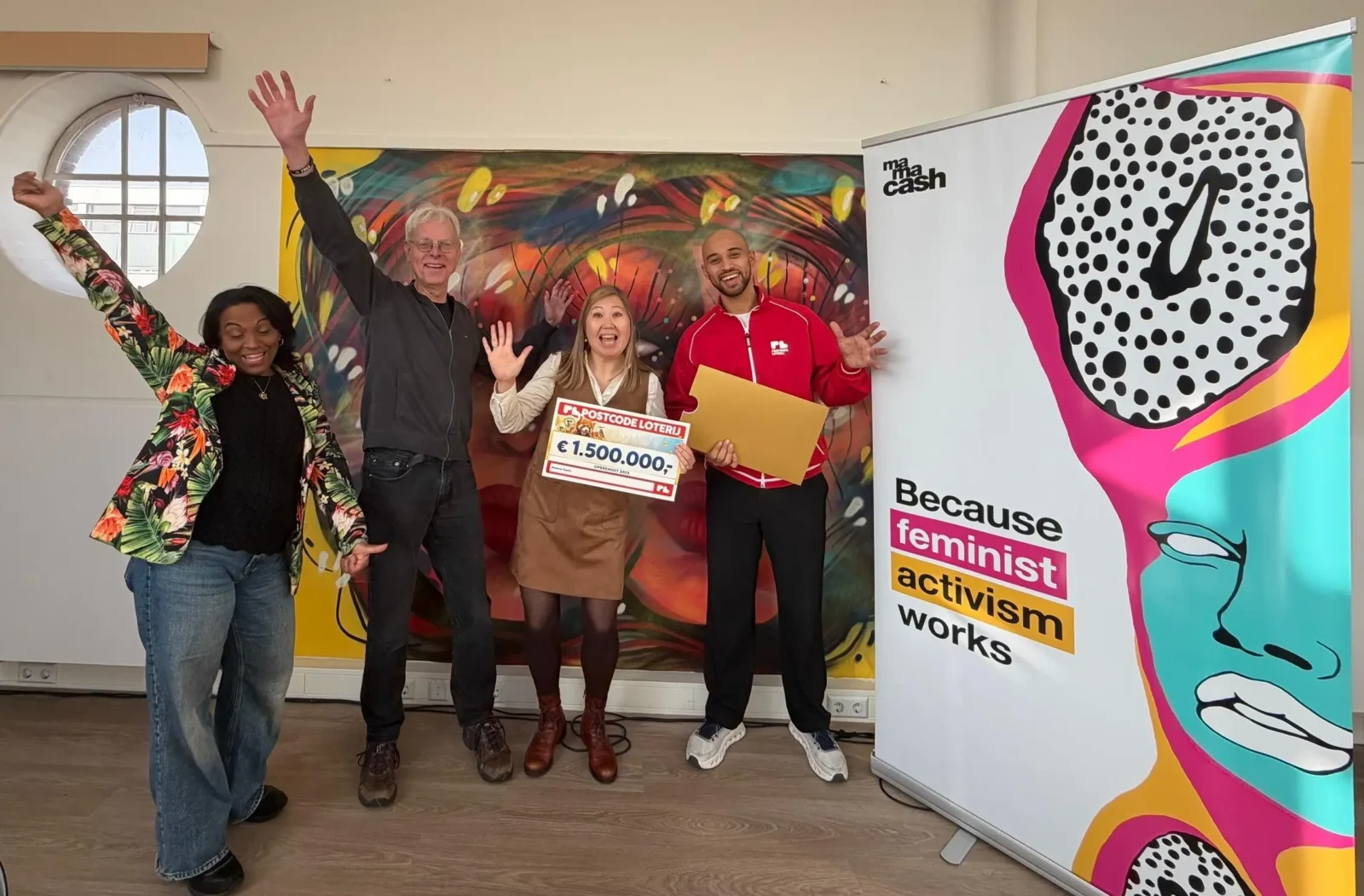

15. Income from governments
In 2025, Mama Cash received six grants (donations) from governments for an amount of €9,210,324 (39% of total income), of which €164,557 pertains to Red Umbrella Fund. The Ministry of Foreign Affairs of the Netherlands provided two multi-year funding commitments for the years 2021-2025 for CMI! and GAGGA. The income for Alliance Partners is part of one of these commitments. The income for Alliance Partners equals the commitments to Alliance Partners, and commitments equal the expenditures; expenditures to Alliance Partners equal the actual expenditures made by Alliance Partners. The actual expenditures are based on final numbers as 2025 is the last year for these grants. The deviation from the budget amounts is mainly due to a lower spending rate in previous years than budgeted for CMI!; this underspend is absorbed in 2025. In 2025, income from the Dutch Ministry of Foreign Affairs accounted for 10% of total income fundraised.
In 2025, Global Affairs Canada funded €286,145 in project-related government income. In 2022, the Swedish International Development Cooperation Agency (Sida) provided a multi-year funding commitment for the period 2022-2024, which was extended into 2025. The amount received from Sida in 2025 was €913,548, the deviation to budget is purely related to exchange rate effects. Sida’s contribution was used to cover operational costs and was not used to fund our grantmaking and accompaniment strategies (that is the forwarding of funds). Therefore, Sida’s contribution was not used for any country-specific work, nor was it used for activities in countries included in the Development Assistance Committee list of official development assistance recipients. Sida’s contribution was also not used for activities to decriminalise the purchase of sexual services. Lastly, in 2025 two new government contracts were signed with the Danish Ministry of Foreign Affairs, Danida, for a total amount of €756,691 (2025-2027), of which €151,252 was received in 2025.
Income recognised from government contracts has not yet been formally signed off by the respective governmental institutions (this is in line with previous years).
| Governments | Actuals 2025 | % | Budget 2025 | Actuals 2024 | % |
|---|---|---|---|---|---|
| Income for Alliance Partners | 5,587,961 | 4,516,552 | 4,640,190 | ||
| Ministry of Foreign Affairs of the Netherlands (MoFa) | |||||
| - Count Me In Consortium (CMI!), including for Red Umbrella Fund | 1,811,751 | 3,133,820 | 2,710,478 | ||
| - Global Alliance for Green and Gender Action (GAGGA) | 390,077 | 2,040,731 | 2,646,513 | ||
| - Other | 0 | 0 | |||
| Swedish International Development Cooperation Agency/Sida | 913,548 | 985,121 | 862,513 | ||
| Global Affairs Canada (GAC) | 286,145 | 1,553,654 | 1,499,400 | ||
| Irish Aid | 8,997 | 0 | 290,943 | ||
| Danida | 151,252 | 0 | |||
| FCDO | 60,593 | 0 | 116,485 | ||
| Subtotal governments | 3,622,363 | 7,713,326 | 8,126,332 | ||
| Total government income including for Alliance Partners | 9,210,324 | 12,229,878 | 12,766,522 | ||
| % of total fundraising income | 39% | 47% | |||
| % of last year | 72% | 100% | |||
| % of budget | 75% | 83% |
16. Income from other non-profit organisations (foundations)
Donations from other non-profit organisations totalled €8,847,713 or 37% of total fundraising income and 112% of budget. Grants (donations) were received from 17 different other non-profit organisations (foundations). The donor agreements relate to single and multi-year funding proposals that are submitted to the respective non-profit organisations. Mama Cash submits interim and final narrative and financial reports to these organisations.
An amount of €1,447,339, or 16% of other non-profit organisational income, was specifically raised for the Red Umbrella Fund. For more information about the Red Umbrella Fund, see Appendix 2. Red Umbrella Fund.
Income recognised from other non-profit organisation donor contracts has not yet been formally signed off by the respective organisations (this is in line with previous years).
| Other non-profit organisations | Actuals 2025 | % | Budget 2025 | Actuals 2024 | % |
|---|---|---|---|---|---|
| Other non-profit organisations Mama Cash | 7,400,374 | 0 | 7,116,780 | ||
| Other non-profit organisations Red Umbrella Fund | 1,447,339 | 0 | 1,007,599 | ||
| Subtotal other non-profit organisations | 8,847,713 | 7,745,461 | 8,124,379 | ||
| Total other non-profit organisations | 8,847,713 | 100% | 7,745,461 | 8,124,379 | 100% |
| % of total fundraising income | 37% | ||||
| % of last year | 109% | ||||
| % of budget | 114% |
17. Other income
Other income includes some small income and expenditure amounts related to miscellaneous items.
| Other income | Actuals 2025 | % | Budget 2025 | Actuals 2024 | % |
|---|---|---|---|---|---|
| Other income | 23,889 | 0 | -27,794 | ||
| Income previous years | 31,356 | 0 | -131 | ||
| Total other income | 55,245 | 100% | 0 | -27,925 | 100% |
| % of last year | -198% |
18. Expenses
Mama Cash subdivides direct and operational costs. Direct costs are accounted for based upon the team undertaking the work and the nature of the work undertaken. For example, costs for travel, consultancy, conferences, or monitoring and evaluation.
Operational costs are accounted for according to an internal distribution key (see cost allocations under ‘Explanatory notes for the annual accounts’). The distribution key is based on the number of FTEs per department. In 2025, a total amount of €8.4 million was spent on grants as part of our grantmaking and accompaniment. Expenditures from Alliance Partners equal the actual expenditures made by the other members of the CMI! consortium. In total, expenditures related to strategies came to 83% of the overall expenses, which was 91% of total expenditure budgeted.
Other direct and operational expenses have been monitored closely. In total, expenditures were 110% of the budgeted amount. This was largely due to a combination of the underspend for CMI! in previous years, being absorbed in 2025 (as mentioned in section 15) combined with restructuring costs which are outlined below.
Table: Distribution of expenses
The distribution of expenses is based on the number of FTEs per department, more specifically it is based on the estimated time spent per FTE on each of the cost driver categories (Movements, Fundraising, Influencing the Donor Community (previously ‘Money’) and Management & Administration). For example, staff members who fully work to influence the donor community or programme officers working with our grantee-partners are allocated 100% to this cost category.
| Distribution of expenses | Costs related to objectives | Fundraising costs | Management and administration | Total actuals 2025 | Budget 2025 | % of 2025 budget | Total actuals 2024 | |
|---|---|---|---|---|---|---|---|---|
| Movements and accompaniment | Influencing the donor community | |||||||
| Direct grantmaking | 8,413,180 | 8,413,180 | 8,500,000 | 99% | 9,454,610 | |||
| Expenditure related to Alliance Partners | 5,587,961 | 5,587,961 | 4,516,552 | 124% | 4,640,215 | |||
| Other direct costs | 864,076 | 272,474 | 326,407 | 886,582 | 2,349,538 | 1,355,110 | 173% | 3,105,925 |
| Personnel costs | 2,992,487 | 810,465 | 1,246,869 | 1,232,432 | 6,282,253 | 6,295,411 | 100% | 5,741,674 |
| Accommodation costs | 54,909 | 14,871 | 22,879 | 22,541 | 115,200 | 194,500 | 59% | 166,757 |
| Office and general costs | 433,195 | 117,324 | 180,498 | 175,070 | 906,087 | 627,657 | 144% | 285,219 |
| Depreciation costs | 39,749 | 10,765 | 16,562 | 16,318 | 83,395 | 143,500 | 58% | 105,187 |
| Subtotal implementation | 3,520,340 | 953,425 | 1,466,808 | 1,446,360 | 7,386,934 | 7,261,068 | 6,298,838 | |
| Total | 18,385,557 | 1,225,899 | 1,793,216 | 2,332,942 | 23,737,614 | 21,632,730 | 110% | 23,499,587 |
| % of total expenditures | 77.5% | 5.2% | 7.6% | 9.8% | 0 |
Costs Mama Cash fundraising
The fundraising standard in the past recommended a maximum of 25% of total income from fundraising to be spent on fundraising costs. Mama Cash strives to stay below this percentage. The fundraising costs represent 8% of the total income from fundraising in 2025 and 8% in 2024.
Costs management and administration
Mama Cash strives to be cost conscious and aims for the percentage of management and administration costs, as a percentage of total costs, to fall between 7% and 11%. The costs for management and administration decreased by 11% over the previous year, from €2,619,245 in 2024 to €2,332,942 in 2025. The 2025 management and administration costs represent 10% of the overall costs. Mama Cash aims for management and administration costs to stabilise in the next years.
Costs influencing the donor community (previously ‘Money’)
To influence institutional donors to change the way they allocate funding for feminist movements, we specifically perform political influencing work, for example through thought leadership, writing articles and speaking at feminist foreign policy conferences, reaching governments and other philanthropic actors. Our message to them is to directly fund feminist groups on the ground or women’s funds who directly fund feminist groups on the ground, as opposed to funding large-scale Global North organisations. We also want them to give more money to feminist groups. Research has proven that development aid spent indirectly is much less effective, and only a very small percentage of the money donated actually reaches the marginalised communities it is intended to support.
Restructuring costs
In 2025, Mama Cash undertook a restructuring process in response to significant shifts in the funding landscape and the anticipated reduction of bilateral funding as of 2026. The costs related to this restructuring were included as a placeholder (PM) in our 2025 annual budget. The actual cost for the restructuring was €425,292, related to costs for legal fees, severance payments and specialist HR support, etc. These costs are apportioned across different operational categories in our annual accounts, with €341,862 accounted for in 2025 and the remainder assigned to be paid in 2026.
19. Personnel expenses
Mama Cash follows the Dutch Collective Labour Agreement (CAO) for the welfare sector. Mama Cash contributes approximately 8% towards the pension scheme. Other personnel costs include commuting expenses, personnel insurance, and training. Actual personnel costs were at 103% of the 2025 budget – this increase was primarily due to restructuring costs.
The average number of FTEs increased from 54.71 to 56.78 in 2025. Gross salaries increased from €4,263,410 in 2024 to €4,822,881 in 2025 primarily because remote staff who worked as consultants in 2024 were fully transferred to the Employer‑of‑Record payroll in 2025.
As the Employer of Record costs are directly related to the total number of our overseas staff, these costs are represented in the Gross salaries, in contrast to last year. Additionally, the Collective Labor Agreement mandated salary increases in quarter 4 of 2025 in combination with an annual regular 2% step increase contributed to the rise. Salaries related to the close of the CMI! project in 2026 have been accrued accordingly in accordance with donor requirements.
| Specification of personnel costs | 2025 Actuals | 2025 Budget | 2024 Actuals |
|---|---|---|---|
| Gross salaries | 4,822,881 | 4,263,410 | |
| Individual choice budget (holiday allowance and end-of-year payments) | 355,252 | 341,346 | |
| Employer's part social security contribution | 428,922 | 402,771 | |
| Employer's part pension contribution | 138,669 | 134,387 | |
| Temporary staff | 63,709 | 128,325 | |
| Other personnel costs (e.g. commuting, personnel insurance, training) | 472,820 | 471,435 | |
| Total personnel costs | 6,282,253 | 6,295,411 | 5,741,674 |
| % of budget | 100% | 77% |
20. Remuneration Executive Directors and Supervisory Board
The Supervisory Board has established the remuneration policy and amount for the Executive Director in accordance with the Dutch Charities Association (Goede Doelen Nederland) regulation regarding remuneration for Executive Directors. See www.goededoelennederland.nl (externe link).
The maximum annual salary of the Executive Director of an NGO is stipulated by the Dutch Charities Association and calculated by the ‘BSD score’ (Basis Score voor Directiefuncties). This score has a range of 280-491 and serves as an indicator of the complexity and weight of the Executive Director function. The regulation determines a maximum for annual income based on a few criteria that result in a calculated BSD score. The Supervisory Board applied the criteria to Mama Cash in 2024, which with two Executive Directors, resulted in a BSD-score of 388. On 12 September 2025, one of Mama Cash’s Co-Executive Directors left her position. As a result, from that date onward, Mama Cash has been led by a single Executive Director. An external evaluation of the Co-Executive Director leadership model was conducted by the Supervisory Board, after having a Co-Executive Director structure for three years. It was decided in April 2026 to embrace a single Executive Director structure. Mama Cash stays committed to feminist principles of shared leadership at every level of our organisation, not just at the Executive Director level.
Following this change, Mama Cash’s BSD score with one Executive Director is 455. This results in a weighted BSD score of 407 for the remaining Co‑Executive Director. For the purpose of assessing compliance with the applicable maximum remuneration levels, the BSD score of the Co-Executive Directors has been allocated proportionally to the period during which each director was in service.
The actual annual income for Saranel Benjamin was €77,384 and the total remuneration was €85,892. As stipulated by the Dutch Charities Association, the related maximum annual income for 2025 for Saranel Benjamin is €90,327 (1 FTE/255 days). The Co-Executive Director’s salary was below this threshold.
The actual annual income for Happy Mwende Kinyili was €137,339 and the total remuneration was €152,170. As stipulated by the Dutch Charities Association, the related maximum annual income for 2025 for Happy Mwende Kinyili is €134,246, and the maximum salary and other income is €174,520 (1 FTE/12 months/weighted BSD score). The salary and other income for Happy Mwende Kinyili was €152,170, which was below this maximum. However, the annual income was €137,339, which was €3,100 above this maximum.
The Remuneration Committee of the Supervisory Board reviewed the Co–Executive Director’s remuneration, which became unpredictable due to exchange rate fluctuations affecting salary payments made in Kenyan shillings, creating a risk of exceeding the applicable remuneration norms for directors of charitable organisations. To mitigate this, the Supervisory Board on recommendation of the Remuneration Committee and in agreement with Happy Mwende Kinyili, decided to switch salary payments to a fixed amount in euros, not to award a salary step increase for the year and not to apply the inflation correction for 2025. The Supervisory Board emphasised that this decision was based solely on financial considerations and does not reflect on performance in any way.
Due to the actions taken by the Supervisory Board, the Executive Director’s salary exceeded the maximum annual income standard by only €3,100, thereby preventing a larger overshoot. In 2026, further actions will be taken to ensure that the Executive Director’s salary remains within the established standard.
| Remuneration according to Dutch Charities Organisation 2025 (Goede Doelen Nederland) | Saranel Benjamin | Happy Mwende Kinyili |
|---|---|---|
| Function | Co-Executive Director | Co-Executive Director |
| Contract | ||
| Contract type | Permanent | Permanent |
| Hours | 36 | 36 |
| Part-time percentage | 100 | 100 |
| Period | 01/01 - 12/09 | 01/01 - 31/12 |
| Remuneration (EUR) | ||
| Yearly income | ||
| Gross salary | 66,099 | 137,339 |
| Holiday allowance | 5,288 | |
| 13th month | 5,997 | |
| Total | 77,384 | 137,339 |
| Taxed reimbursements | 2,484 | 7,858 |
| Pension (employer contribution) | 6,024 | 6,973 |
| Pension compensation | ||
| Other remunerations in future | ||
| Payment of termination of employment | ||
| Total 2025 | 85,892 | 152,170 |
| BSD Score 2025 | 388 | 407 |
| Maximum annual income | 90,327 | 134,246 |
| Maximum salary and other income | 117,425 | 174,520 |
| BSD Score 2024 | 388 | 388 |
| Maximum annual income | 129,292 | 129,292 |
| Maximum salary and other income | 160,322 | 160,322 |
Mama Cash Supervisory Board members do not receive any remuneration for their Board duties.
For an explanation of the policy and the principles for the remuneration of the Executive Board, we refer to the Supervisory Board report.
21. Financial income and expenditure
The financial income and expenditure consist of results on investment and exchange rate differences. The result on investment was €307,285 in 2025. Exchange rate differences amounted to €200,765 negative in 2025.
| Financial income and expenditure | Actuals 2025 | % | Budget 2025 | Actuals 2024 | % |
|---|---|---|---|---|---|
| Financial income and expenditure | |||||
| Result on investments | 307,285 | 0 | 343,633 | ||
| Exchange rate differences | -200,765 | 0 | 52,253 | ||
| Total financial income and expenditure | 106,521 | 0 | 395,886 | ||
| % of last year | 27% | 77% | |||
| % of budget |
Result on investments
The amount of interest received in 2025 was €172,177, which is higher than in 2024 (€156,131) due to the fluctuation in interest rates worldwide. The total results of coupon interest and dividends are similar to those of 2024. Unrealised investment result amounted to €134,504, which is positive and completely dependent on macro-economic and stock market factors.
| Result on investments | Actuals 2025 | Actuals 2024 | Actuals 2023 | Actuals 2022 | Actuals 2021 | Actuals 2020 | Actuals 2019 | Actuals 2018 | Actuals 2017 |
|---|---|---|---|---|---|---|---|---|---|
| Interest (*) | 172,177 | 156,131 | 68,946 | -38,754 | -26,898 | -15,548 | 1,563 | 2,959 | 9,057 |
| Coupon interest and dividends received | 30,995 | 35,599 | 27,879 | 14,004 | 14,287 | 14,893 | 32,316 | 60,642 | 98,515 |
| Unrealised investment result | 134,504 | 185,364 | 354,059 | -494,607 | 409,176 | 135,343 | 313,903 | -28,818 | -160,855 |
| Result on investments | 337,676 | 377,095 | 450,884 | -519,357 | 396,564 | 134,688 | 347,782 | 34,782 | -53,283 |
| Commission and expenses | -30,391 | -33,462 | -23,473 | -29,306 | -31,441 | -28,365 | -33,386 | -22,588 | -30,030 |
| Total result on investments | 307,285 | 343,633 | 427,411 | -548,663 | 365,123 | 106,323 | 314,395 | 12,194 | -83,313 |
| % of last year | 89% | 80% | -78% | -150% | 343% | 34% | 2578% | -15% | -38% |
| Net result on investment | 4% | 6% | 5% | -16% | 12% | 4% | 12% | 0% | -3% |
| Average result 2021 - 2025 (%) | 6% | 5% | 3% | 2% | 7% | ||||
| Average result 2021 - 2025 (amount) | 178,958 | 139,056 | 143,387 | 49,874 | 142,944 | ||||
| Result on liquidities | 0.9% | 0.9% | -0.4% | -0.3% | -0.3% | -0.1% | 0.0% | 0.0% | 0.1% |
Other information
No transaction related to the fiscal year 2025 took place after closure of the accounts.
Appendix 1
Expenditures related to strategies
Expenditures for our strategies are covered by designated funds from previous years and through yearly income from several donors. All expenditures to direct grantmaking activities that are carried out for specific funds, such as the Resilience Fund and Accompaniment Grants, are administered precisely per fund and per donor. Additionally, we also administer the expenditures related to operational costs per donor. In 2025, our direct grantmaking accounted for 45% of our overall expenditure (compared to our budget of 50%), and grantmaking including Alliance Partners equated to 57% of our overall expenditure (compared to our budget of 60%).
This table shows the additions to and subtractions from the reserves as a result of the total income and designated funds minus the expenditure.
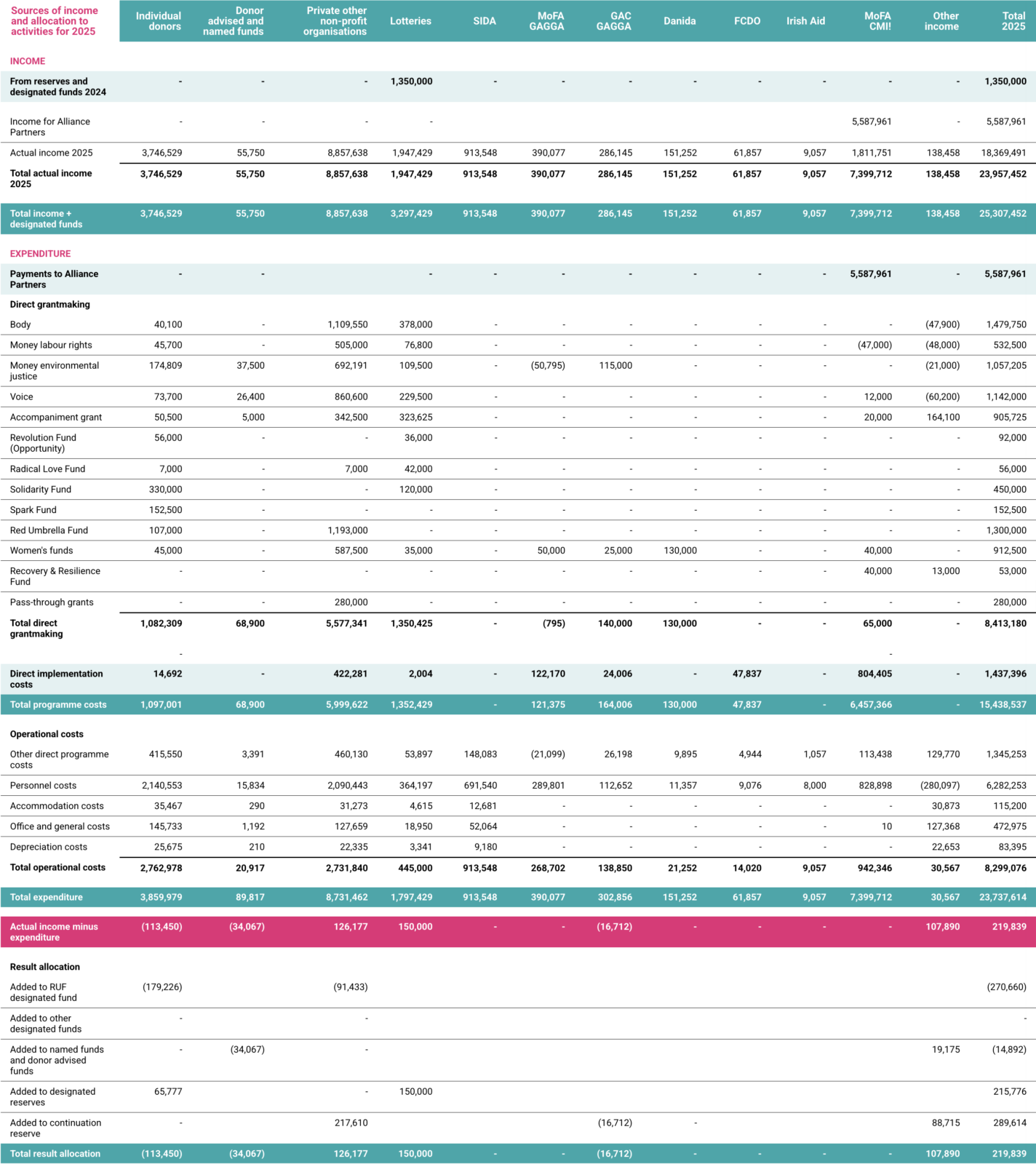

Appendix 2
Red Umbrella Fund
Red Umbrella Fund (RUF) is a global sex worker-led participatory fund. Hosted by Mama Cash, RUF strengthens the sex workers’ rights movement by resourcing sex worker-led groups and networks, and by changing how funders understand – and fund – sex worker-organising.
| Red Umbrella Fund | Actuals 2025 | % of actual | Budget 2025 | % total budget | Actuals 2024 | % of actual |
|---|---|---|---|---|---|---|
| INCOME | ||||||
| Brought forward designated funds from previous financial year | 0 | 0% | 946,236 | 34% | 964,183 | 35% |
| Individual donors | 147,727 | 525,000 | 226,018 | |||
| Other non-profit organisations | 1,447,339 | 1,179,786 | 1,007,599 | |||
| Government (CMI! through Mama Cash) | 164,557 | 108,243 | 356,295 | |||
| Lotteries | 1,704 | 0 | 197,741 | |||
| Contribution Mama Cash | 40,000 | 40,000 | 40,000 | |||
| Other income | 11,633 | 6,035 | ||||
| Total actual income | 1,812,961 | 100% | 1,853,029 | 66% | 1,833,688 | 65% |
| Total income + designated funds | 1,812,961 | 100% | 2,799,265 | 100% | 2,797,871 | 100% |
| EXPENDITURES | ||||||
| Programme costs | ||||||
| Grants to sex workers' groups | 1,300,000 | 62% | 1,350,000 | 73% | 1,308,959 | 71% |
| Programme salary costs | 284,888 | 237,775 | 260,471 | |||
| Peer review grantmaking | 129,707 | 96,239 | 39,821 | |||
| Influencing philanthropy and communications | 15,593 | 77,000 | 16,560 | |||
| Learning, monitoring and evaluation (LME) | 5,203 | 129 | 0 | |||
| Total programme costs | 1,735,391 | 83% | 1,761,143 | 95% | 1,625,811 | 88% |
| Fund management costs | ||||||
| Fund coordination salary costs | 267,044 | 50,593 | 136,896 | |||
| Governance (ISC meeting, translations) | 41,185 | 3,264 | 47,535 | |||
| Total fund management costs | 308,229 | 15% | 53,857 | 3% | 184,431 | 10% |
| Costs of hosting (Mama Cash operational costs) | 40,000 | 2% | 40,000 | 2% | 40,000 | 2% |
| Other | 0% | 0 | 1,393 | 0% | ||
| Total expenditures | 2,083,621 | 100% | 1,855,000 | 100% | 1,851,635 | 100% |
| Total income + designated funds minus expenditures | -270,660 | 944,265 | 946,236 | |||
| Funds added to/removed from reserves | -270,660 | 946,236 |
Independent auditor’s report